




China Calcium Calcium Product Provider
Exploring the Diverse Applications of Calcium Carbide: A Comprehensive Overview
Release Time:
2024-08-13
Exploring the Diverse Applications of Calcium Carbide Table of Contents 1. Introduction to Calcium Carbide 2. The Production Process of Calcium Carbide 3. Key Properties of Calcium Carbide 4. Major Applications of Calcium Carbide 4.1 Acetylene Production 4.2 Role in Metallurgy 4.3 Use in Agriculture 4.4 Applications in the Chemical Industry 4.5 Calcium Carbide in the Production of Calcium Cyanamid
Exploring the Diverse Applications of Calcium Carbide
Table of Contents
1. Introduction to Calcium Carbide
2. The Production Process of Calcium Carbide
3. Key Properties of Calcium Carbide
4. Major Applications of Calcium Carbide
4.1 Acetylene Production
4.2 Role in Metallurgy
4.3 Use in Agriculture
4.4 Applications in the Chemical Industry
4.5 Calcium Carbide in the Production of Calcium Cyanamide
5. Environmental Impact and Safety Considerations
6. Future Trends in Calcium Carbide Usage
7. Conclusion
8. FAQs
1. Introduction to Calcium Carbide
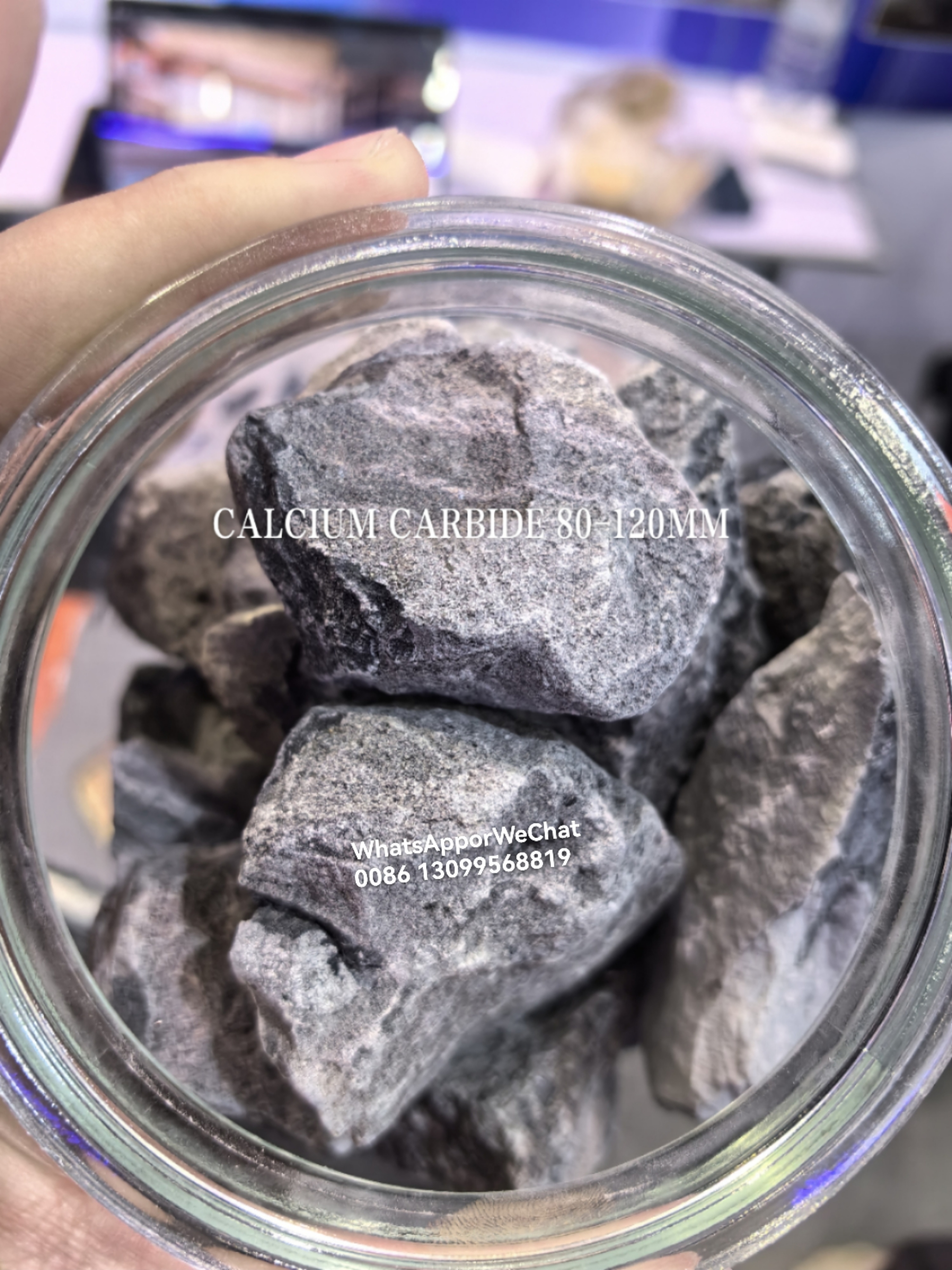
Calcium carbide, a chemical compound with the formula CaC2, is a versatile material that plays a crucial role in various industrial applications. It is primarily known for its ability to react with water to produce acetylene, a gas that is essential in welding, cutting, and chemical manufacturing. The significance of calcium carbide extends beyond acetylene production, making it a key player in multiple sectors, including metallurgy, agriculture, and chemical industries.
2. The Production Process of Calcium Carbide
Calcium carbide is produced through a high-temperature reaction between lime (calcium oxide) and carbon in an electric arc furnace. The process requires temperatures exceeding 2000°C. Once formed, the product is cooled, crushed, and stored for distribution. Understanding the production process is essential, as it directly influences the quality and purity of calcium carbide, affecting its performance in various applications.
3. Key Properties of Calcium Carbide
The properties of calcium carbide make it suitable for a wide range of applications. Some key characteristics include:
- **High Reactivity**: Calcium carbide readily reacts with water to produce acetylene and calcium hydroxide.
- **High Melting Point**: It has a melting point of approximately 2160°C, making it suitable for high-temperature applications.
- **Density**: Calcium carbide has a density of around 2.22 g/cm³, contributing to its stability in various forms.
These properties contribute to its utility across diverse industrial applications.
4. Major Applications of Calcium Carbide
The applications of calcium carbide are vast and varied. Below, we explore some of the most significant uses.
4.1 Acetylene Production
One of the primary applications of calcium carbide is in the production of acetylene gas. When calcium carbide reacts with water, it generates acetylene, which is utilized in welding and cutting metals. Acetylene is known for producing a high-temperature flame, making it an essential resource in metal fabrication and construction industries.
4.2 Role in Metallurgy
Calcium carbide plays a vital role in metallurgy, particularly in the production of steel and other alloys. It serves as a deoxidizing agent, removing impurities such as sulfur and phosphorus from molten metal. This enhances the quality of the final product, ensuring superior mechanical properties and durability.
4.3 Use in Agriculture
In agriculture, calcium carbide is used as a ripening agent for fruits, especially bananas. It accelerates the ripening process by releasing ethylene gas when it comes into contact with moisture. This application is especially valuable for farmers and distributors looking to enhance the marketability of their produce.
4.4 Applications in the Chemical Industry
Calcium carbide is also significant in the chemical industry, where it serves as a precursor for various compounds. It is utilized in the production of calcium cyanamide, which is employed as a fertilizer and a herbicide. Its role in the synthesis of other chemicals further underscores its importance in the sector.
4.5 Calcium Carbide in the Production of Calcium Cyanamide
Calcium carbide's conversion to calcium cyanamide is another critical application. This compound is widely used as a nitrogen-rich fertilizer, enhancing soil fertility and improving crop yield. Additionally, calcium cyanamide is employed in the production of melamine and other nitrogenous compounds, illustrating calcium carbide's versatility.
5. Environmental Impact and Safety Considerations
While calcium carbide has numerous applications, it is essential to consider its environmental impact and safety precautions. The production and use of calcium carbide can lead to the release of harmful by-products, such as acetylene, which poses risks if not handled correctly. Proper storage, transportation, and usage guidelines must be established to mitigate these risks.
6. Future Trends in Calcium Carbide Usage
As industries evolve, the applications of calcium carbide are likely to expand. The increasing demand for acetylene in the welding and cutting sectors suggests a stable future for calcium carbide production. Moreover, advancements in agricultural practices may lead to innovative uses of calcium carbide in enhancing crop production and sustainability.
7. Conclusion
Calcium carbide is a vital compound with diverse applications across various industries. From its role in acetylene production to its significance in metallurgy and agriculture, the versatility of calcium carbide cannot be overstated. As industries continue to innovate, the demand for calcium carbide is likely to grow, highlighting the need for sustainable practices in its production and use. Understanding the multifaceted applications and implications of calcium carbide is essential for industry professionals and stakeholders alike.
8. FAQs
What is calcium carbide used for in welding?
Calcium carbide is primarily used to produce acetylene gas, which is crucial for welding and cutting metals due to its high-temperature flame.
Is calcium carbide safe to handle?
While calcium carbide can be safe when handled properly, it is essential to follow safety guidelines to avoid risks, including exposure to moisture, which can cause hazardous reactions.
How does calcium carbide help in agriculture?
Calcium carbide is used as a ripening agent for fruits, promoting faster ripening by releasing ethylene gas when in contact with moisture.
Can calcium carbide be used in chemical production?
Yes, calcium carbide is a precursor for various chemical compounds, including calcium cyanamide, which is used as a fertilizer.
What are the environmental concerns associated with calcium carbide?
The production and use of calcium carbide can release harmful by-products, necessitating proper handling and disposal practices to mitigate environmental impact.
News Hotspot



Our Main Products
Can't find the service you're looking for? Contact us!
To inquire about our products, please leave your email to us and we will contact you within 24 hours.