




China Calcium Calcium Product Provider
Acetylene Production from Calcium Carbide: Industrial Process and Applications
Release Time:
2026-06-03
Acetylene production from calcium carbide remains one of the most important industrial processes for generating this versatile hydrocarbon gas. Calcium carbide (CaC₂), when reacted with water, produces acetylene (C₂H₂), a compound essential for welding, cutting, and chemical synthesis applications across multiple industries.
The Chemistry of Acetylene Generation
The fundamental reaction behind acetylene from calcium carbide production involves the hydrolysis of calcium carbide. When CaC₂ contacts water, it undergoes an exothermic reaction: CaC₂ + 2H₂O → C₂H₂ + Ca(OH)₂. This process releases acetylene gas along with calcium hydroxide as a byproduct. The reaction's efficiency depends on several factors including carbide quality, water temperature, and particle size distribution.
Industrial operations carefully control water addition rates and temperature to optimize acetylene yield while managing the heat generated during the reaction. Modern acetylene generators employ sophisticated control systems to maintain safe operating conditions and maximize production efficiency.
Calcium Carbide Specifications for Acetylene Production
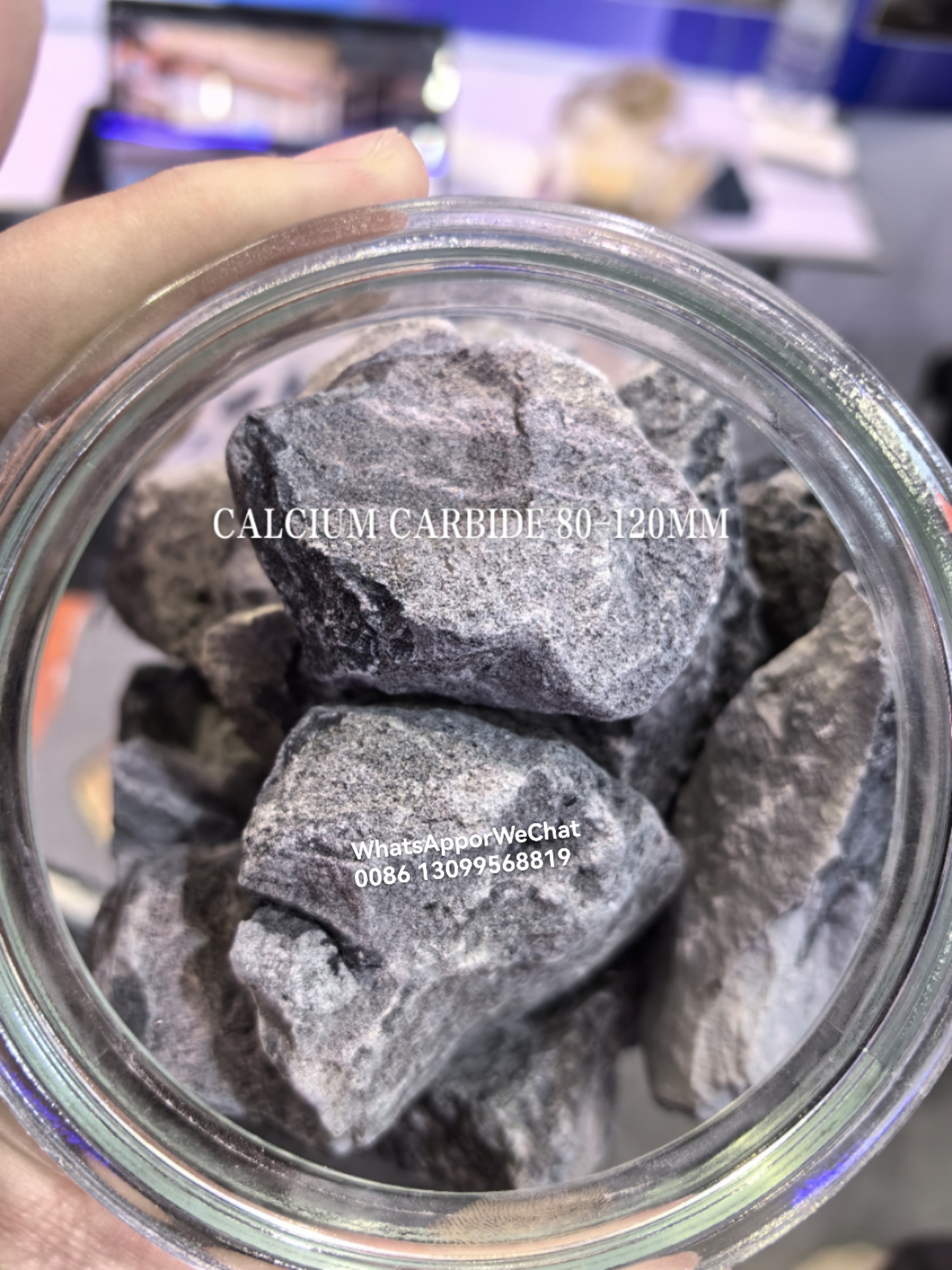
The quality of calcium carbide directly impacts acetylene production efficiency. High-grade carbide typically contains 75-85% calcium carbide content, with the remainder consisting of impurities like calcium oxide, magnesium oxide, and carbon. The carbide's particle size significantly affects reaction rates and gas generation characteristics.
Particle Size Considerations:
- Fine particles (2-7mm): React quickly but may cause handling challenges
- Medium grades (7-25mm): Balance reaction speed and manageable handling
- Coarse grades (25-80mm): Slower reaction rates suitable for controlled applications
Industrial Applications of Acetylene
Acetylene serves as a critical feedstock for numerous industrial processes:
Metal Fabrication: acetylene for welding applications provides the high-temperature flame necessary for cutting and joining metals. Oxy-acetylene torches achieve temperatures exceeding 3,000°C, making them indispensable for heavy industrial fabrication, pipe welding, and maintenance operations.
Chemical Synthesis: Acetylene acts as a building block for producing various chemicals including vinyl chloride, acrylonitrile, and acetaldehyde. These derivatives find applications in plastics, synthetic fibers, and pharmaceutical manufacturing.
Illumination: Historical carbide lamps utilized acetylene for lighting in mining, automotive, and marine applications before electric lighting became widespread.
Production Process Optimization
Modern acetylene generation facilities implement sophisticated systems to maximize efficiency and safety:
Reaction Control: Automated water addition systems maintain optimal reaction temperatures, preventing overheating while ensuring complete carbide utilization. Temperature monitoring prevents dangerous hot spots that could trigger unwanted side reactions.
Gas Purification: Generated acetylene passes through purification stages to remove impurities like ammonia, phosphine, and hydrogen sulfide. These contaminants originate from impurities in the carbide and can affect downstream applications.
Safety Systems: industrial calcium carbide handling requires strict safety protocols. Facilities employ explosion-proof equipment, gas detection systems, and emergency shutdown mechanisms to protect personnel and equipment.
Quality Standards and Specifications
Acetylene quality requirements vary by application:
Welding Grade: Must meet purity standards ensuring consistent flame characteristics and minimal contamination of welds. Typical specifications require 98%+ acetylene purity with controlled phosphine and hydrogen sulfide levels.
Chemical Grade: Higher purity specifications for synthesis applications, often requiring additional purification steps to remove trace impurities that could poison catalysts or affect product quality.
Environmental and Safety Considerations
Acetylene production and handling require careful attention to safety due to the gas's flammability and explosive potential under pressure. Modern facilities implement comprehensive safety programs including:
- Proper ventilation and gas detection systems
- Pressure relief devices and flashback arrestors
- Regular equipment inspection and maintenance
- Personnel training and emergency response procedures
Conclusion
Acetylene production from calcium carbide continues to play a vital role in industrial operations worldwide. Understanding the chemical principles, optimizing production processes, and maintaining rigorous safety standards enables efficient and sustainable acetylene generation. As industries evolve, innovations in carbide quality, reaction control, and safety systems continue improving the efficiency and environmental performance of this essential industrial process.
News Hotspot



Our Main Products
Can't find the service you're looking for? Contact us!
To inquire about our products, please leave your email to us and we will contact you within 24 hours.