




China Calcium Calcium Product Provider
Explore the Structural Formula of Calcium Carbide in the Non-Metallic Mineral Industry
Release Time:
2024-05-01
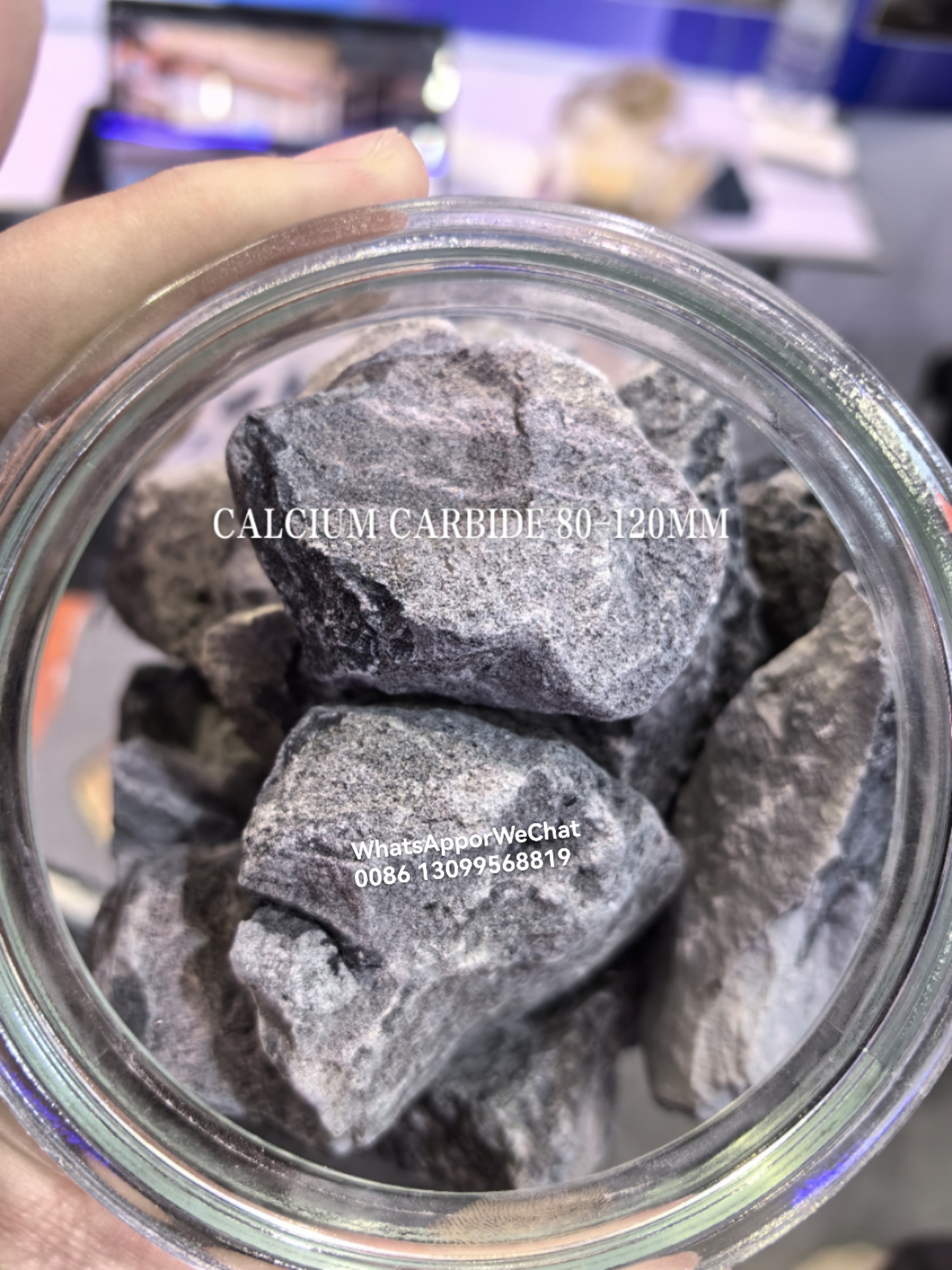
Calcium carbide, with the chemical formula CaC2, is a crucial compound in the non-metallic mineral industry, particularly in the production of acetylene gas. The structural formula of calcium carbide reveals its composition, consisting of one calcium atom bonded to two carbon atoms in a linear arrangement. The structural formula of calcium carbide, CaC2, illustrates the strong covalent bond betwee
The structural formula of calcium carbide, CaC2, illustrates the strong covalent bond between the calcium atom and the two carbon atoms. This arrangement results in the formation of a solid crystalline compound with a high melting point and reactivity.
Calcium carbide plays a vital role in various industrial processes, such as the production of acetylene gas for welding and cutting applications. When calcium carbide comes into contact with water, it undergoes a chemical reaction to produce acetylene gas and calcium hydroxide. This reaction is utilized in the production of acetylene lamps, as well as in the synthesis of various organic compounds.
In the non-metallic mineral industry, calcium carbide is also used in the manufacture of calcium cyanamide, a nitrogen fertilizer. By reacting calcium carbide with nitrogen gas, calcium cyanamide is produced, providing a valuable source of nitrogen for plant growth.
Understanding the structural formula of calcium carbide is essential for professionals in the non-metallic mineral industry, as it forms the basis for various chemical reactions and applications. By delving into the composition, properties, and uses of calcium carbide, individuals can gain insight into its significance in industrial processes and the production of essential products.
News Hotspot



Our Main Products
Can't find the service you're looking for? Contact us!
To inquire about our products, please leave your email to us and we will contact you within 24 hours.