




China Calcium Calcium Product Provider
Exploring the Chemical Formula of Calcium Carbide in Factory Settings
Release Time:
2024-04-07
When it comes to the non-metallic mineral industry, calcium carbide plays a crucial role in various production processes. As a key player in the production of acetylene gas and other industrial applications, understanding the chemical formula of calcium carbide is essential. Calcium carbide, with the chemical formula CaC2, is a compound composed of calcium and carbon atoms in a 1:2 ratio. It is pr
When it comes to the non-metallic mineral industry, calcium carbide plays a crucial role in various production processes. As a key player in the production of acetylene gas and other industrial applications, understanding the chemical formula of calcium carbide is essential.
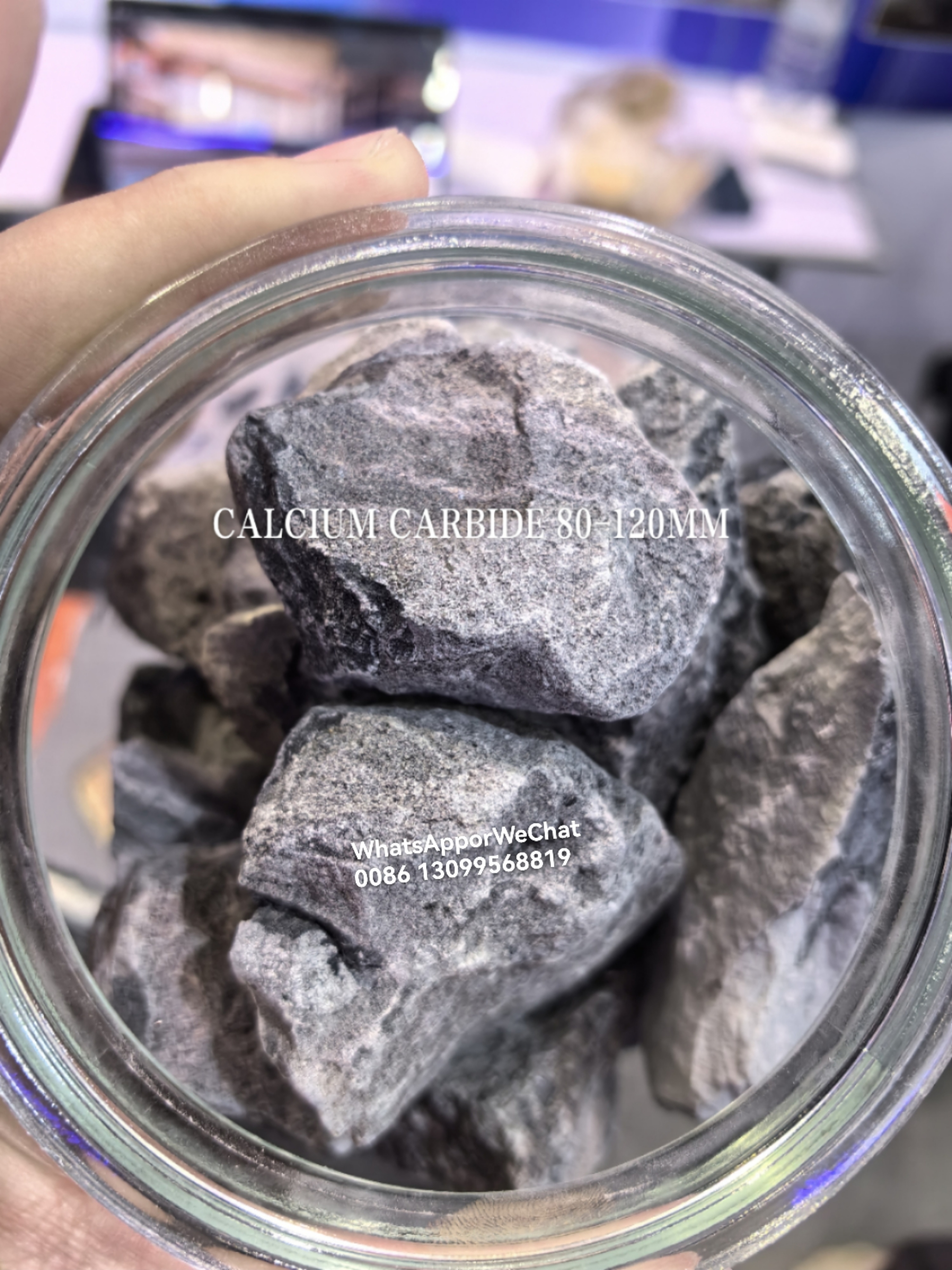
Calcium carbide, with the chemical formula CaC2, is a compound composed of calcium and carbon atoms in a 1:2 ratio. It is produced in factories through the reaction of quicklime (calcium oxide) and carbon in an electric arc furnace. This reaction results in the formation of calcium carbide, which is then crushed into smaller pieces for various industrial uses.
One of the primary uses of calcium carbide is in the production of acetylene gas. When calcium carbide comes into contact with water, it produces acetylene gas, which is used in welding, cutting, and other industrial processes. Additionally, calcium carbide is used in the production of calcium cyanamide, a nitrogen fertilizer, and various chemicals in the pharmaceutical and plastics industries.
In factory settings within the non-metallic mineral industry, the production of calcium carbide involves careful control of temperature and other parameters to ensure the quality and purity of the final product. Factories must also adhere to safety regulations to prevent accidents and ensure the well-being of workers.
Overall, the chemical formula of calcium carbide, CaC2, is a fundamental aspect of its production and applications in the non-metallic mineral industry. By understanding its properties and uses, factory operators can optimize their production processes and contribute to the advancement of various industrial sectors.
News Hotspot



Our Main Products
Can't find the service you're looking for? Contact us!
To inquire about our products, please leave your email to us and we will contact you within 24 hours.