




China Calcium Calcium Product Provider
Discover the Science Behind Bagged Calcium Carbide 25-50MM Made in China
Release Time:
2024-02-11
Calcium carbide, a fascinating compound widely used in various industries, plays a significant role in the non-metallic mineral industry, specifically in the production of acetylene gas. In this article, we will delve into the science behind bagged calcium carbide, focusing on the 25-50MM variant made in China. The production of bagged calcium carbide begins with the extraction of calcium carbonat
The production of bagged calcium carbide begins with the extraction of calcium carbonate from natural resources such as limestone or marble. This raw material undergoes a series of chemical reactions, including carbonation and calcination, to form calcium oxide (lime). The lime is then mixed with high-quality coke, resulting in the formation of calcium carbide through an intense electric arc furnace process.
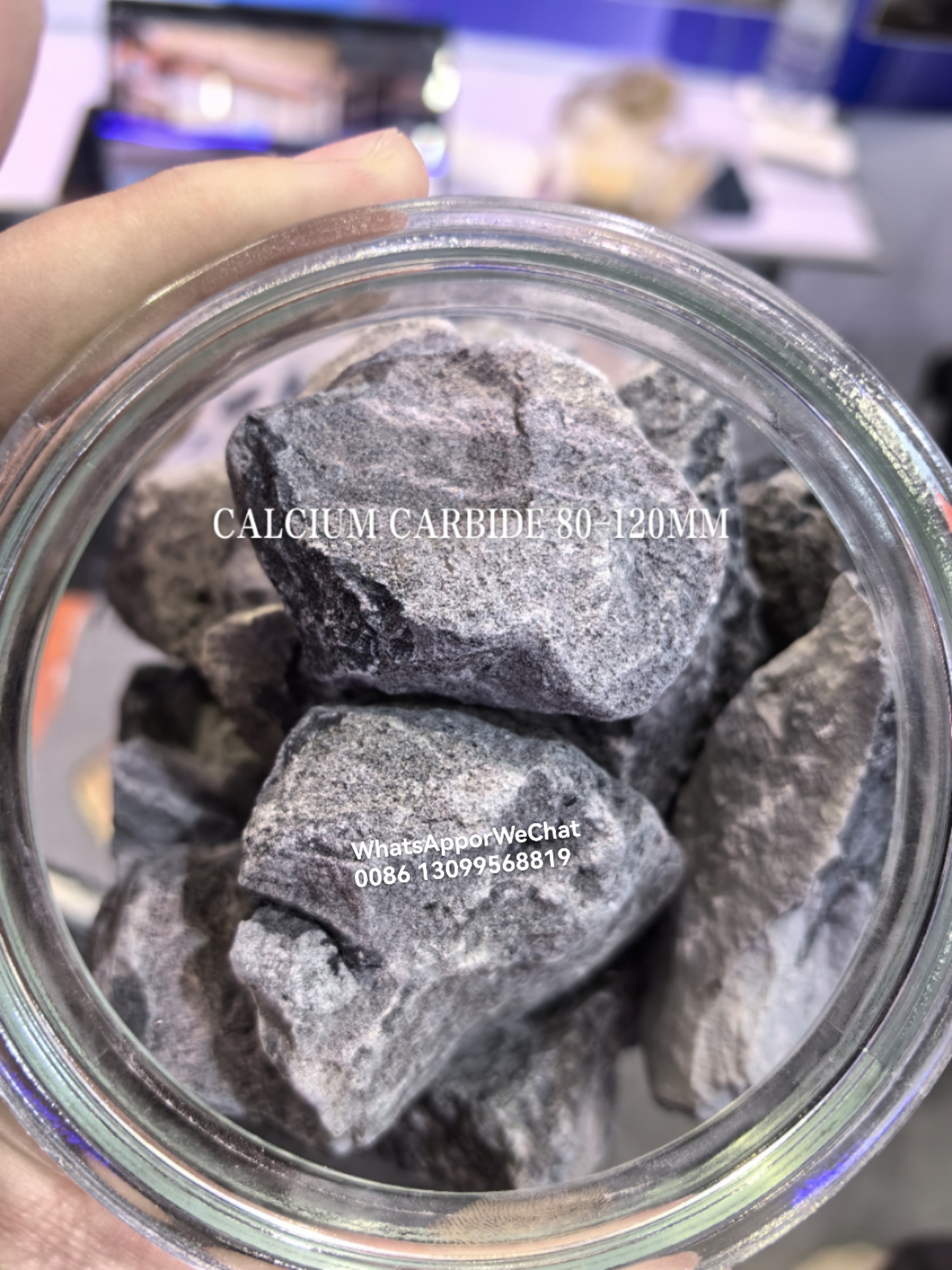
Bagged calcium carbide, with a particle size range of 25-50MM, exhibits specific characteristics that make it suitable for various applications in the metallurgical, mining, and energy sectors. Its high purity and controlled composition ensure optimal performance.
One of the key uses of bagged calcium carbide is in the production of acetylene gas. When calcium carbide comes into contact with water, it undergoes a chemical reaction that produces acetylene gas, which is widely utilized in welding, cutting, and various industrial processes. The generated acetylene gas can reach temperatures of up to 3000 degrees Celsius, making it a valuable tool in metal fabrication.
Furthermore, bagged calcium carbide serves as a vital desulfurizing agent in the steel industry. By introducing calcium carbide into the molten iron, the sulfur impurities react with the compound to form calcium sulfide, which can be easily removed from the steel. This process ensures the production of high-quality steel with reduced sulfur content.
In addition to its metallurgical applications, bagged calcium carbide also finds use in the mining industry. When combined with water, calcium carbide releases acetylene gas, which is employed in underground mining for its explosive properties. This controlled explosion technique aids in the excavation and extraction of valuable minerals, ensuring worker safety and increased efficiency.
China, as a prominent producer of bagged calcium carbide, adheres to strict quality control measures and advanced production techniques. The country's rich reserves of calcium carbonate, coupled with its manufacturing expertise, contribute to the production of high-quality bagged calcium carbide.
In conclusion, bagged calcium carbide, specifically the 25-50MM variant made in China, plays a crucial role in the non-metallic mineral industry. Its applications in acetylene gas production, steel desulfurization, and mining highlight its significance. By understanding the science behind bagged calcium carbide, we gain insight into its diverse uses and the impact it has on various sectors.
News Hotspot



Our Main Products
Can't find the service you're looking for? Contact us!
To inquire about our products, please leave your email to us and we will contact you within 24 hours.