




China Calcium Calcium Product Provider
Understanding Calcium Carbide: A Key Component in Metallurgy and Non-Metallic Minerals
Release Time:
2024-11-13
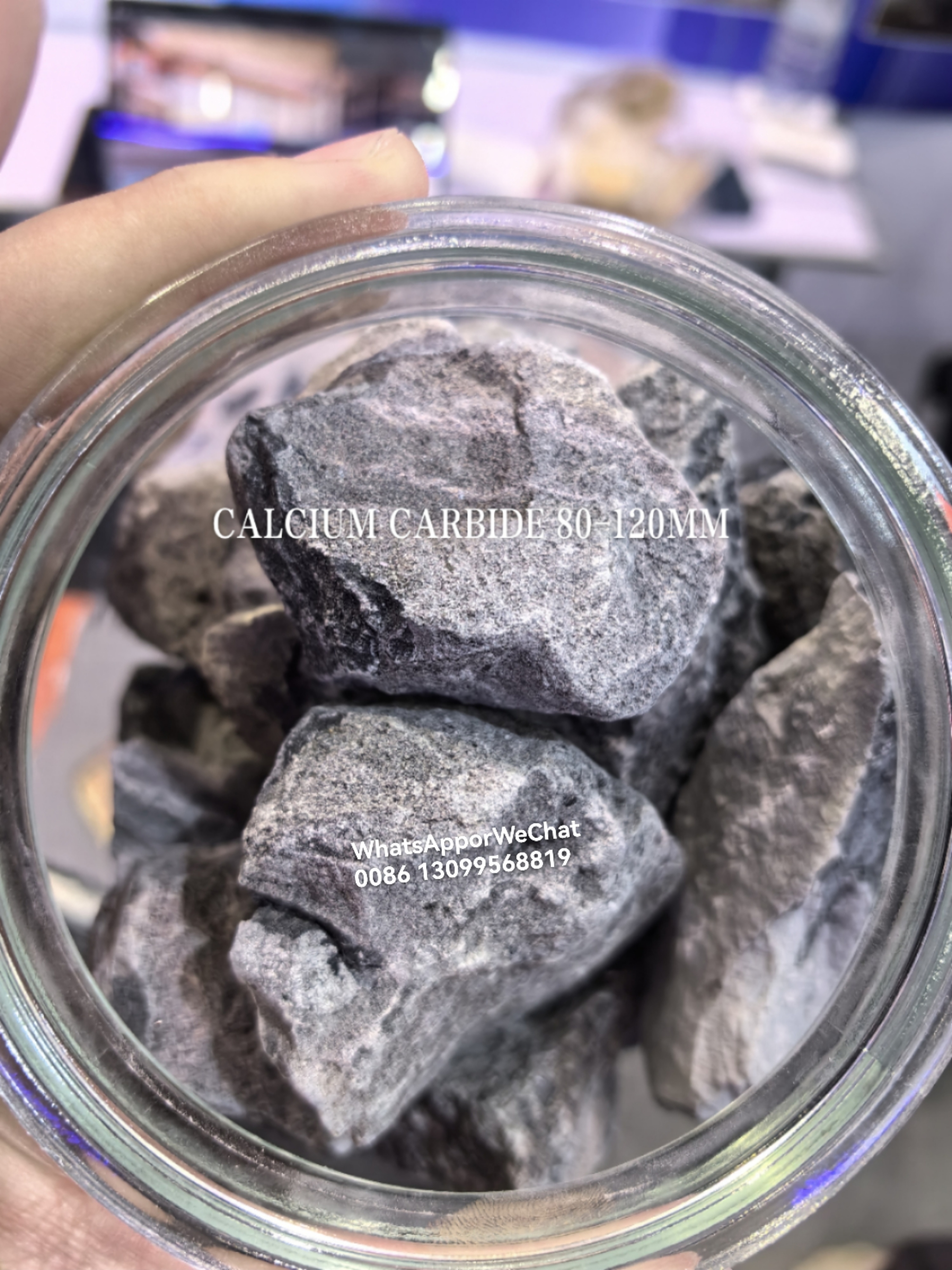
Calcium carbide (CaC2) is a chemical compound that is widely recognized for its various applications in the metallurgical industry and as a precursor for the production of acetylene gas. When discussing calcium carbide in sizes of 80-120mm, it is essential to understand how this specific granulation impacts its applications and effectiveness in industrial processes. One of the primary uses of calc
One of the primary uses of calcium carbide is in the production of acetylene, which is generated when water reacts with calcium carbide. Acetylene is a vital component in welding and cutting operations, making calcium carbide an indispensable material in metal fabrication. The size of calcium carbide particles can influence the rate of acetylene generation, with larger particles often offering a slower dissolution rate, which may be beneficial in controlled applications where a gradual release of gas is desired.
In addition to its role in producing acetylene, calcium carbide is also used in the manufacture of various chemicals and in the desulfurization of iron and steel. In the metallurgy sector, it acts as a powerful reducing agent, helping to purify metals by removing sulfur and other impurities. As a result, the quality of the final metal product is significantly enhanced, making calcium carbide a crucial ingredient in the metallurgical process.
The 80-120mm size range is particularly advantageous for specific industrial applications. Larger particles are typically more stable and easier to handle, reducing the risk of dust formation during transportation and use. This can lead to safer working conditions and more efficient processing methods, which are essential considerations in industrial environments.
Furthermore, calcium carbide finds applications in the production of certain fertilizers, contributing to agriculture and food production. Its ability to release acetylene can also stimulate plant growth when used in controlled environments. This versatility highlights the compound's importance beyond just metallurgical applications.
In summary, calcium carbide in the size range of 80-120mm is a valuable resource in various industries, especially metallurgy and non-metallic minerals. Its unique properties facilitate numerous applications, from acetylene production to metal purification and even agricultural uses. Understanding the significance of calcium carbide can help professionals in these sectors make informed decisions and optimize processes for better efficiency and productivity.
News Hotspot



Our Main Products
Can't find the service you're looking for? Contact us!
To inquire about our products, please leave your email to us and we will contact you within 24 hours.