




China Calcium Calcium Product Provider
calcium carbide acetylene Chinese
Release Time:
2024-12-13
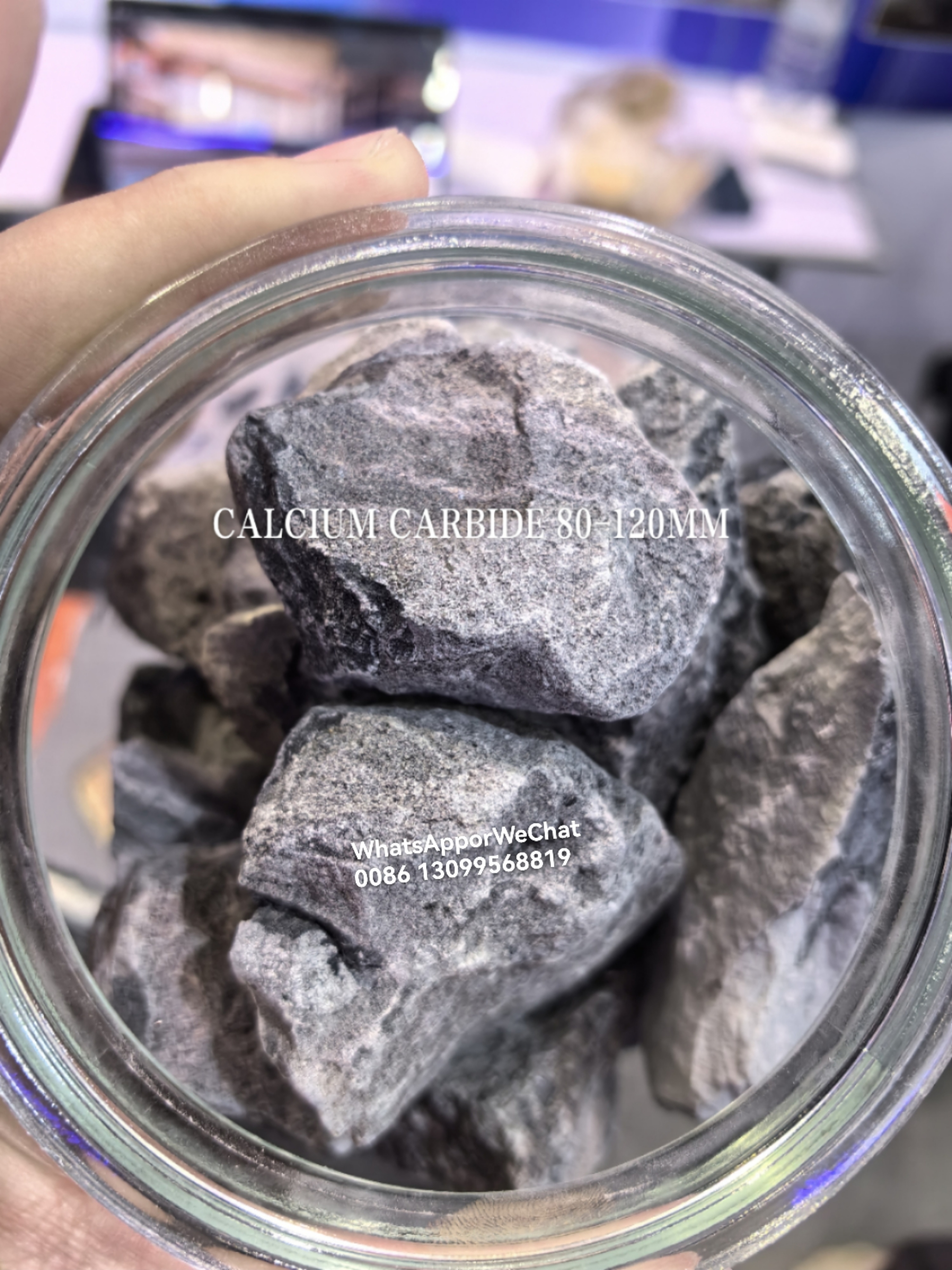
Calcium carbide (CaC2) is an important chemical compound predominantly used in the production of acetylene, a versatile gas with numerous industrial applications.
Calcium carbide (CaC2) is an important chemical compound predominantly used in the production of acetylene, a versatile gas with numerous industrial applications. Understanding the properties and applications of calcium carbide can provide valuable insights for professionals in metallurgy and energy sectors.

One of the primary methods of acetylene production involves the reaction of calcium carbide with water. This reaction generates acetylene gas and calcium hydroxide. The equation for this process can be summarized as follows:
\[ \text_2 + 2 \text_2\text \rightarrow \text_2\text_2 + \text_2 \]
Acetylene, in turn, is utilized in various applications, including welding, cutting metals, and as a precursor in the synthesis of organic compounds.
Calcium carbide itself is typically produced by heating a mixture of lime (calcium oxide) and carbon in an electric arc furnace, a process that requires careful control of temperature and raw material quality. The resulting product is a grey or black solid that has a high reactivity with moisture. Due to this reactivity, calcium carbide must be handled with caution and stored in a dry environment to prevent unwanted reactions.
In industrial applications, the acetylene produced from calcium carbide plays a crucial role in the manufacturing of various chemicals, including vinyl chloride, which is essential for PVC production. Additionally, acetylene is employed in the synthesis of acetaldehyde and acetic acid, both of which are vital feedstocks in the chemical industry.
The significance of calcium carbide extends beyond acetylene production; it also serves as an important reagent in the manufacture of other chemicals. For example, it is utilized in the production of calcium cyanamide, which is used as a fertilizer, as well as in steelmaking processes where it acts as a desulfurizing agent.
Moreover, the increasing demand for acetylene in various applications has led to innovations in calcium carbide production and handling methods. Companies are continuously looking for ways to improve efficiency and reduce environmental impacts, making research and development in this area vital for industry professionals.
In conclusion, calcium carbide is more than just a raw material; it is a fundamental component that helps drive various industrial processes, particularly in the production of acetylene. Understanding its production, chemical properties, and applications can empower professionals in the metallurgy and energy sectors to make informed decisions regarding its use in their operations.
News Hotspot



Our Main Products
Can't find the service you're looking for? Contact us!
To inquire about our products, please leave your email to us and we will contact you within 24 hours.