




China Calcium Calcium Product Provider
Unleashing the Potential: How Solid Calcium Carbide Revolutionizes Non-metallic Mineral Production
Release Time:
2024-12-03
Unleashing the Potential: How Solid Calcium Carbide Revolutionizes Non-metallic Mineral Production Table of Contents 1. Introduction to Calcium Carbide in Non-Metallic Mining 2. Understanding Solid Calcium Carbide 3. Key Properties and Benefits of Calcium Carbide 4. Applications of Calcium Carbide in Non-Metallic Mineral Production 5. Environmental Impacts of Calcium Carbide U
1. Introduction to Calcium Carbide in Non-Metallic Mining
In the ever-evolving landscape of the non-metallic mineral industry, **solid calcium carbide** has emerged as a game-changer. With its unique properties and versatile applications, calcium carbide is reshaping how non-metallic minerals are produced. As industries strive for efficiency and sustainability, understanding the impact of this compound is essential to unlocking its full potential.
2. Understanding Solid Calcium Carbide
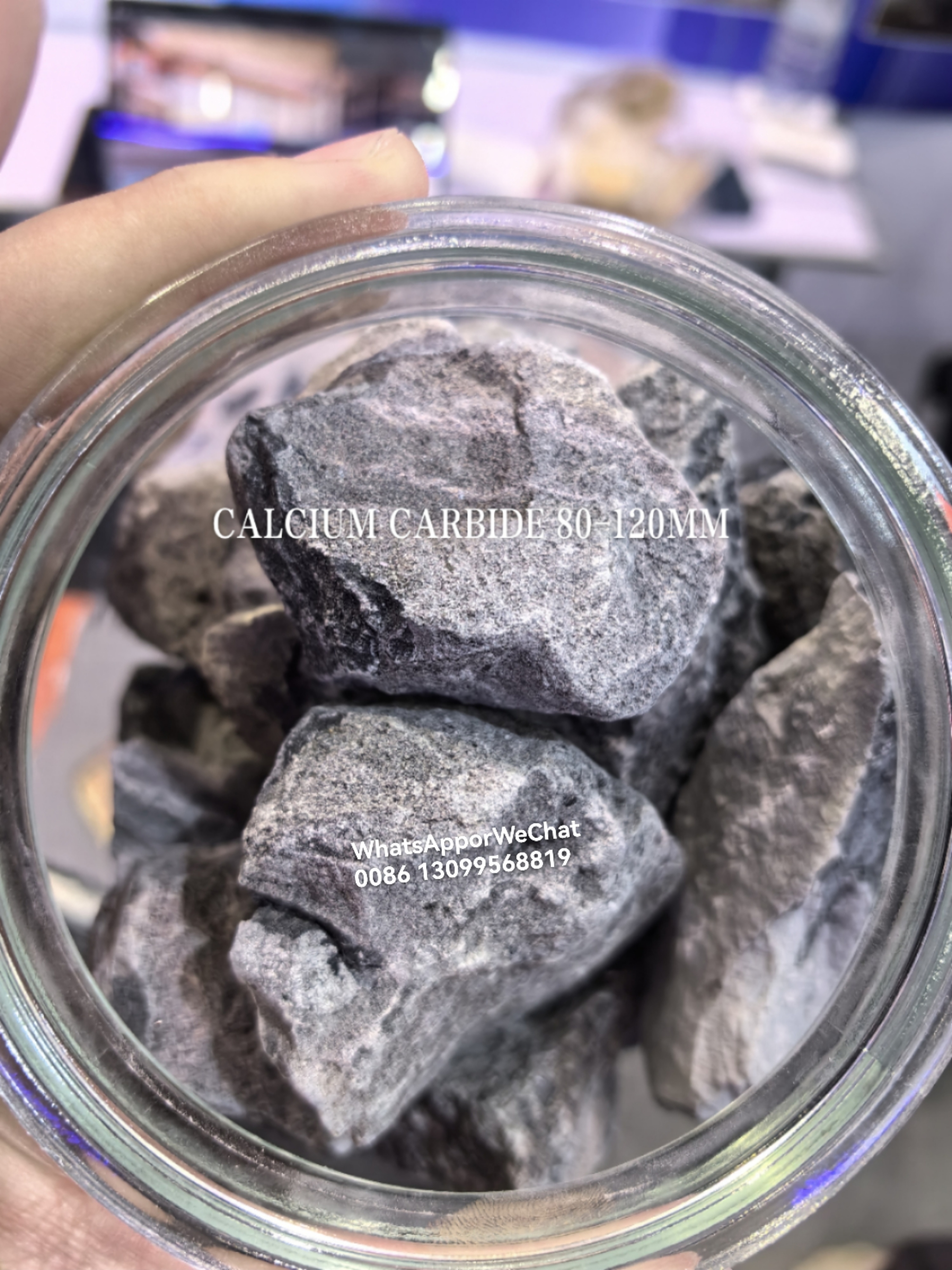
Calcium carbide (CaC2) is a chemical compound primarily used in various industrial applications. It is produced by heating lime and carbon in an electric arc furnace, resulting in a solid product that is both reactive and versatile. The compound is known for its ability to generate acetylene gas when it reacts with water, which has various applications, including welding and cutting.
However, its role in the **non-metallic mineral production** sector is less well-known but equally significant. Calcium carbide acts as a **chemical reagent**, facilitating processes that enhance the yield and quality of non-metallic minerals.
3. Key Properties and Benefits of Calcium Carbide
The unique properties of solid calcium carbide make it a valuable asset in non-metallic mineral production:
3.1 High Purity and Reactivity
Calcium carbide is characterized by its high purity, which translates to consistent performance in mineral processing. Its reactivity with moisture enables the production of acetylene gas, enhancing various mining processes.
3.2 Cost-Effectiveness
Utilizing calcium carbide can significantly lower production costs. Its efficiency in chemical reactions means less reagent is needed, resulting in lower operational expenses.
3.3 Enhanced Mineral Recovery
Calcium carbide aids in **enhancing mineral recovery rates**. By optimizing the chemical processes involved, it ensures a higher yield of materials during extraction.
3.4 Versatility in Applications
From improving the clarity of minerals to aiding in the separation of useful materials from ores, calcium carbide finds multiple applications across different stages of mineral production.
4. Applications of Calcium Carbide in Non-Metallic Mineral Production
The applications of solid calcium carbide in non-metallic mineral production are vast and varied. Here are some of the key areas where it is making an impact:
4.1 Acid Neutralization
Calcium carbide is often used in the acid neutralization process. Its reaction with acids can help balance pH levels in mineral processing, leading to more efficient extraction methods.
4.2 Mineral Flotation Enhancements
In flotation processes, calcium carbide can improve the hydrophobicity of certain minerals. This enhancement facilitates better separation and concentration of valuable minerals from the waste.
4.3 Carbonation Processes
Calcium carbide participates in carbonation reactions crucial for producing certain non-metallic minerals, such as calcium carbonate. This process is vital for industries looking to produce high-purity products.
4.4 Waste Management Solutions
By using calcium carbide, mining operations can also address waste management issues. Its chemical properties help in treating and neutralizing hazardous waste, making operations more environmentally friendly.
5. Environmental Impacts of Calcium Carbide Use
The use of solid calcium carbide in non-metallic mineral production also raises questions about environmental sustainability. While it offers numerous benefits, understanding its environmental impacts is crucial.
5.1 Reduced Carbon Footprint
Utilizing calcium carbide can lead to a reduction in greenhouse gas emissions during mineral processing. Its efficiency means less energy is consumed overall, contributing to a lower carbon footprint.
5.2 Treatment of Heavy Metals
Calcium carbide has shown promise in treating mining effluents containing heavy metals. By facilitating chemical reactions that neutralize these contaminants, it contributes to cleaner water systems.
5.3 Safe Handling and Usage
While calcium carbide is reactive, proper handling protocols minimize risks. Educating workers and implementing safety measures can ensure that its use remains safe and sustainable.
6. The Future of Non-Metallic Mineral Production with Calcium Carbide
As industries continue to innovate, the future of non-metallic mineral production is tied closely to the advancements in calcium carbide applications.
6.1 Research and Development
Ongoing research is exploring new ways to utilize calcium carbide in mineral processing. Innovations in chemical engineering may lead to even more efficient methods of production.
6.2 Integration with Sustainable Practices
The push for sustainability in mining practices is likely to drive the integration of calcium carbide in operations. Its potential to reduce waste and enhance recovery aligns well with modern environmental goals.
6.3 Market Growth
With increasing demand for non-metallic minerals in various industries, including construction and electronics, the market for calcium carbide is expected to grow, paving the way for more investments in this area.
7. Challenges in Adopting Calcium Carbide
Despite its benefits, the adoption of solid calcium carbide in non-metallic mineral production is not without challenges.
7.1 Safety Concerns
The reactivity of calcium carbide means that it must be handled with care. Industries need to invest in training and safety equipment to mitigate risks associated with its use.
7.2 Cost of Implementation
While calcium carbide is cost-effective in the long run, the initial investment in equipment and technology needed for its incorporation can pose a barrier for some operations.
7.3 Limited Awareness
There is still a lack of awareness about the benefits of calcium carbide in non-metallic mineral production. Educational campaigns can help to inform stakeholders about the advantages of its use.
8. Frequently Asked Questions
8.1 What is solid calcium carbide used for?
Solid calcium carbide is primarily used in mineral processing to enhance extraction methods, neutralize acids, and improve flotation processes.
8.2 Is calcium carbide environmentally friendly?
Calcium carbide can be environmentally friendly when used properly. It helps reduce emissions and treat hazardous waste, contributing to sustainable mining practices.
8.3 How does calcium carbide improve mineral recovery?
Calcium carbide enhances chemical reactions that facilitate better separation and concentration of valuable minerals, leading to improved recovery rates.
8.4 What safety measures are needed when handling calcium carbide?
Proper handling protocols, training, and safety equipment are essential to ensure the safe use of calcium carbide due to its reactivity.
8.5 What is the future of calcium carbide in non-metallic mineral production?
The future looks promising with ongoing research and the integration of sustainable practices. The demand for non-metallic minerals is also likely to drive growth in calcium carbide applications.
9. Conclusion
The role of solid calcium carbide in revolutionizing non-metallic mineral production cannot be overstated. From its unique properties to diverse applications, it offers solutions that enhance efficiency, reduce costs, and promote environmental sustainability. As industries continue to embrace innovative practices, calcium carbide will undoubtedly play a crucial role in shaping the future of non-metallic minerals, making it a key player in the ongoing quest for efficiency and sustainability in the mining sector. By understanding and leveraging its potential, stakeholders can ensure a more resilient and productive industry that meets the demands of today and tomorrow.
News Hotspot



Our Main Products
Can't find the service you're looking for? Contact us!
To inquire about our products, please leave your email to us and we will contact you within 24 hours.