




China Calcium Calcium Product Provider
Unleashing the Power: Transforming Calcium Carbide into Acetylene
Release Time:
2024-12-11
Unleashing the Power: Transforming Calcium Carbide into Acetylene Table of Contents Introduction to Calcium Carbide and Acetylene Chemical Properties of Calcium Carbide Production Methods of Acetylene from Calcium Carbide Industrial Uses of Acetylene Safety Considerations in Acetylene Production Environmental Impact of Calcium Carbide Production Future Trends in Calcium Carbide and
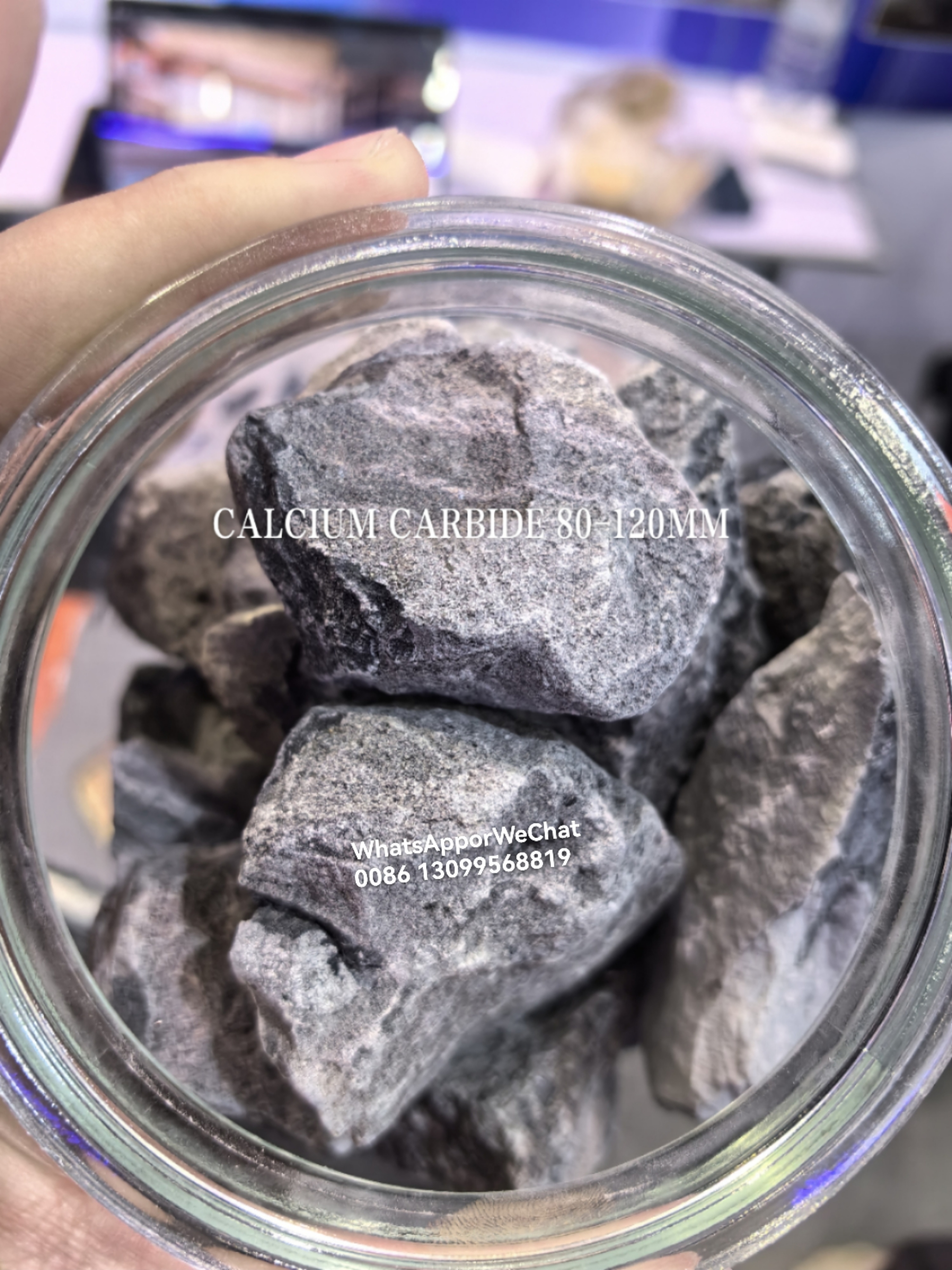
Calcium carbide (CaC2) stands as a remarkable compound with significant industrial applications, primarily due to its ability to produce acetylene (C2H2) upon reaction with water. Acetylene, a colorless gas, serves as a fundamental building block in various chemical processes, including the synthesis of plastics, pharmaceuticals, and other important compounds. In this article, we will explore the intricacies of transforming calcium carbide into acetylene, focusing on the underlying chemistry, production methods, applications, safety measures, and future trends.
Chemical Properties of Calcium Carbide
Calcium carbide is an inorganic compound that possesses unique chemical properties. Here are some key characteristics:
This reaction is not only essential for acetylene production but also highlights the importance of managing the water to calcium carbide ratio for optimal results.
Production Methods of Acetylene from Calcium Carbide
The conversion of calcium carbide into acetylene can occur through various methods. Here we detail the most prevalent techniques:
Hydration Method
The hydration method involves adding water to calcium carbide. This can occur in a controlled environment, where the calcium carbide is placed in a reactor. The water is introduced gradually to maintain the desired temperature and pressure. This method is favored for its simplicity and efficiency in producing acetylene gas.
Batch vs. Continuous Production
- **Batch Production**: This method involves processing fixed quantities of calcium carbide at a time. While it allows for quality control, it can be less efficient in terms of time and resources.
- **Continuous Production**: In this approach, calcium carbide is continuously fed into a reactor, and water is simultaneously introduced. This method enhances productivity and is commonly employed in large-scale industrial applications.
Industrial Uses of Acetylene
Acetylene is a versatile gas with several industrial applications. Its characteristics make it suitable for various processes:
Welding and Cutting
One of the primary uses of acetylene is in oxy-acetylene welding and cutting. The flame produced during combustion reaches high temperatures, allowing for the effective joining of metals or cutting through thick materials.
Synthesis of Organic Compounds
Acetylene serves as a key precursor in the synthesis of numerous organic compounds, including:
- **Vinyl chloride**: Used for producing PVC.
- **Acetic acid**: A vital chemical in manufacturing various products.
Production of Chemicals and Plastics
In the chemical industry, acetylene is employed for producing a range of chemicals and plastics, making it integral to many manufacturing processes.
Safety Considerations in Acetylene Production
While the production of acetylene from calcium carbide is efficient, it necessitates strict safety measures due to the inherent risks involved:
Flammability and Explosion Risks
Acetylene is highly flammable and can form explosive mixtures with air. Proper ventilation and gas detection systems are essential to mitigate these risks.
Handling and Storage
Calcium carbide should be stored in a dry environment, as moisture can trigger the formation of acetylene and increase the risk of accidental ignition.
Transforming calcium carbide into acetylene is a multifaceted process that encompasses both chemical reactions and practical applications. The versatility of acetylene ensures its relevance across various industries, from welding to chemical synthesis. However, the production process also requires careful consideration of safety and environmental factors. Moving forward, embracing sustainable practices and exploring innovative applications will be essential for maximizing the benefits of this powerful transformation.
News Hotspot



Our Main Products
Can't find the service you're looking for? Contact us!
To inquire about our products, please leave your email to us and we will contact you within 24 hours.