




China Calcium Calcium Product Provider
How to Choose the Right Calcium Carbide for Your Business: Key Factors
Release Time:
2024-11-27
Learn how to choose the right calcium carbide for your business with key factors to consider. Make informed decisions for quality and cost-effectiveness.
When running a business that requires industrial chemicals, the quality of the materials you use is critical to the efficiency of your operations. Calcium carbide is a chemical compound used across a variety of industries, including steel manufacturing, welding, and carbide production. However, choosing the right calcium carbide for your business can be a complex decision that involves evaluating several important factors.
Whether you’re working in a production facility, a research lab, or any other industry that uses calcium carbide, understanding these factors will help you make an informed, cost-effective decision.
Key Factors to Consider When Choosing Calcium Carbide
1. Purity and Quality
Purity is one of the most critical factors in determining the quality of calcium carbide. Higher purity ensures better performance and more reliable results. Calcium carbide with high purity has fewer impurities and unwanted elements, which can interfere with the reaction processes it is involved in.
Industrial-Grade Calcium Carbide: Often used in large-scale applications like steel production and carbide production.
High-Purity Calcium Carbide: Preferred for use in applications like acetylene production, where precision and consistent quality are necessary.
Make sure to assess the purity level and ensure that it aligns with your business requirements.
2. Particle Size Distribution
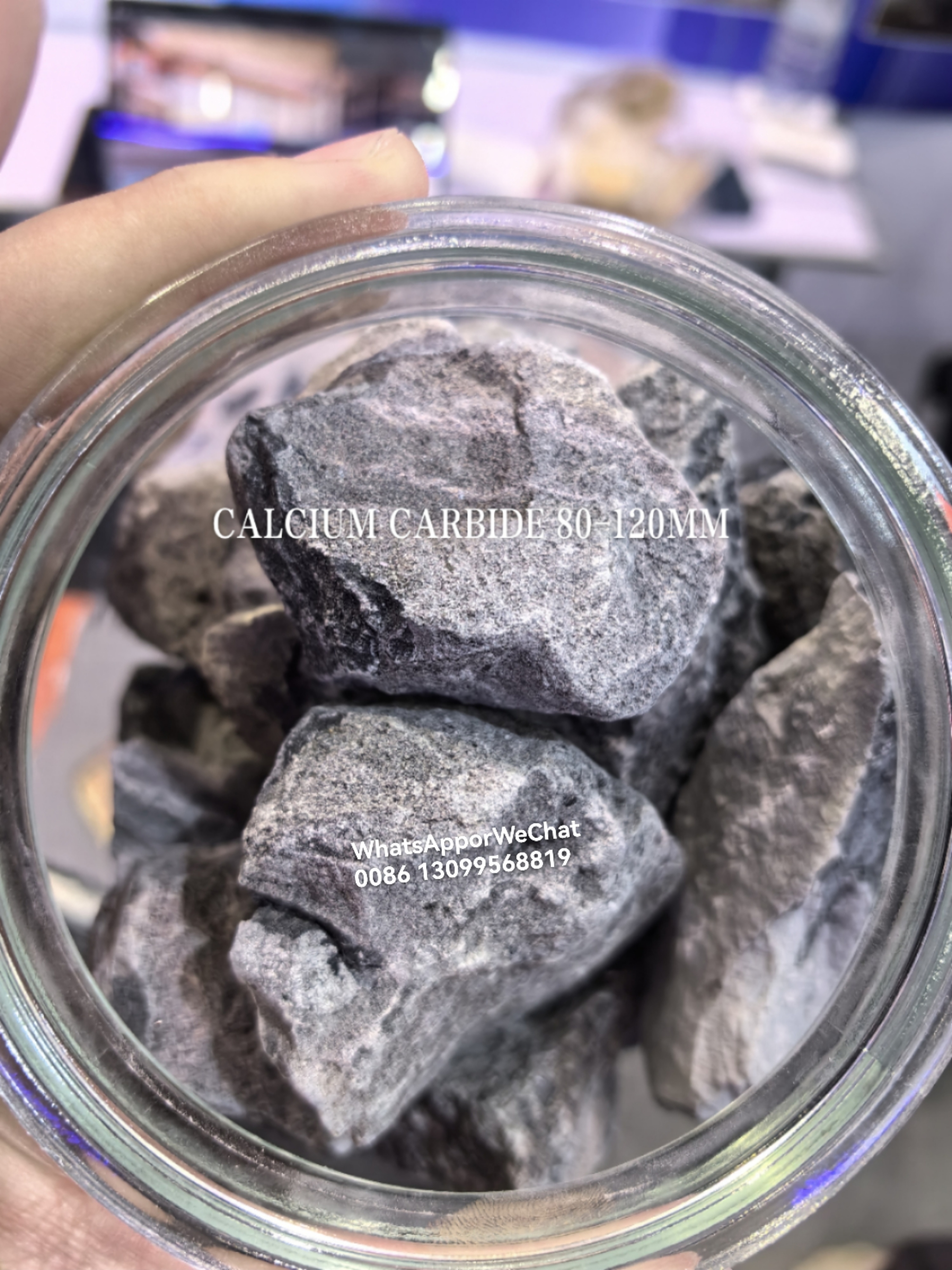
The particle size of calcium carbide can significantly affect its reaction rate and efficiency. Smaller particle sizes generally have a higher surface area, which can lead to faster reactions. Depending on your business application, the ideal particle size may vary.
Fine Calcium Carbide: Typically used in high-precision applications where a fast reaction rate is essential.
Coarse Calcium Carbide: Better suited for applications requiring slower reactions or where handling is easier.
Before purchasing, check the manufacturer’s specifications for particle size and match it to your process requirements.
3. Cost and Budget Considerations
While the quality of calcium carbide is important, budget constraints are always a factor for most businesses. Prices can vary widely depending on factors such as purity, particle size, and supplier. It’s essential to balance cost and quality when selecting the right product.
Bulk Purchase: Buying in bulk can often lower the price per unit.
Discounts for Long-Term Contracts: Many suppliers offer price breaks for businesses committing to long-term contracts or large-scale purchases.
Carefully calculate your budget and determine how much of the material you’ll need to get the best value for your business.
4. Supplier Reliability and Reputation
Choosing a reliable supplier is just as important as choosing the right chemical. A reputable supplier ensures that the product meets the required specifications and quality standards. They should also be able to deliver the material on time and at the agreed-upon price.
Industry Certifications: Check for certifications such as ISO or other quality assurances that ensure the product's compliance with industry standards.
Customer Reviews and Testimonials: Look for reviews from businesses similar to yours to gauge the reliability and quality of the supplier’s products.
Don't just focus on the price—consider the reputation and track record of the supplier to avoid future issues.
5. Handling and Storage Requirements
Calcium carbide is a highly reactive material and must be handled with care. The storage and transportation requirements are crucial for maintaining safety and product integrity. Different forms of calcium carbide may have different storage needs.
Dry Storage: Calcium carbide should always be stored in dry conditions, as it reacts with moisture to produce acetylene gas.
Packaging: Ensure that the supplier uses suitable packaging materials that prevent moisture exposure and maintain the quality of the carbide during transportation.
Be sure to understand the specific handling and storage protocols for the calcium carbide you're considering.
6. Environmental and Safety Concerns
The environmental impact and safety protocols for handling calcium carbide cannot be ignored. Ensure that the material meets environmental standards and that your facility is equipped to handle the material safely.
Proper Ventilation: Calcium carbide reacts with moisture to release acetylene, a flammable gas, so adequate ventilation in storage areas is critical.
Waste Disposal: Understand how to properly dispose of calcium carbide waste and residual materials to comply with environmental regulations.
Consult your local safety and environmental guidelines to ensure compliance with all applicable regulations.
7. Application-Specific Considerations
The specific requirements of your application will also play a significant role in choosing the right calcium carbide. For instance, if you are using it for carbide lamp production or acetylene generation, you might need a high-purity grade, while for use in steelmaking, the material's physical properties (such as particle size) may take precedence.
Acetylene Production: High-purity calcium carbide is required for the production of acetylene gas.
Steel Manufacturing: More industrial-grade carbide with specific size distribution is typically used.
Choosing the right calcium carbide for your business requires careful consideration of several key factors, including purity, particle size, cost, supplier reputation, handling requirements, and specific application needs. By assessing these factors, you can ensure that you are investing in a high-quality product that will meet your business’s demands effectively and safely.
Make sure to conduct thorough research, evaluate potential suppliers, and take into account the specific needs of your operation. Whether you are involved in steel manufacturing, acetylene production, or any other application, the right calcium carbide can significantly impact your efficiency and safety.
FAQs
1. What is the main use of calcium carbide in industrial applications?
Calcium carbide is primarily used in the production of acetylene gas, which is a key element in welding and cutting operations. It is also used in the production of chemicals like calcium cyanamide, which is a fertilizer.
2. How do I ensure the calcium carbide I buy is of high quality?
Look for calcium carbide with high purity levels and reliable particle size distribution. Choose reputable suppliers with industry certifications and positive customer feedback.
3. Is calcium carbide dangerous to handle?
Yes, calcium carbide is highly reactive, especially when exposed to moisture. It can generate flammable acetylene gas. Proper storage and handling procedures are essential to ensuring safety.
4. How should I store calcium carbide?
Calcium carbide should be stored in a dry environment, away from moisture and any water sources, as it reacts violently with water. It should also be kept in sealed, moisture-resistant containers.
News Hotspot



Our Main Products
Can't find the service you're looking for? Contact us!
To inquire about our products, please leave your email to us and we will contact you within 24 hours.