




China Calcium Calcium Product Provider
How Does Calcium Carbide Work?
Release Time:
2024-08-29
Calcium carbide is a widely used chemical compound with the formula CaC₂. It has significant applications in various industries, including the production of acetylene gas and as a ripening agent for fruits. This article explores how calcium carbide works, its chemical properties, and its various uses, helping to understand why it is such a valuable substance in industrial and agricultural settings.
Calcium carbide is a widely used chemical compound with the formula CaC₂. It has significant applications in various industries, including the production of acetylene gas and as a ripening agent for fruits. This article explores how calcium carbide works, its chemical properties, and its various uses, helping to understand why it is such a valuable substance in industrial and agricultural settings.

What is Calcium Carbide?
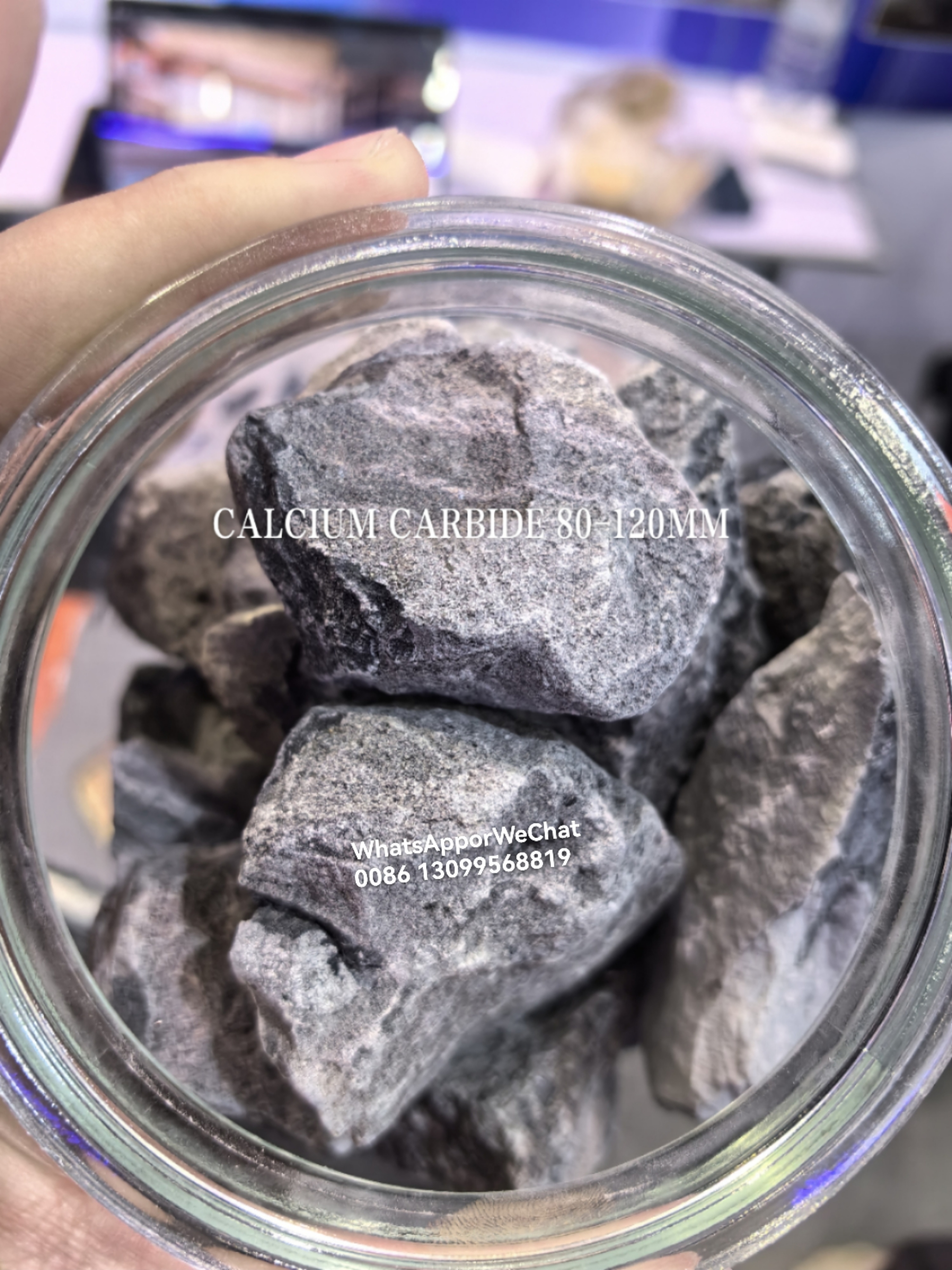
Calcium carbide is a chemical compound composed of calcium and carbon. It appears as a grayish-white or blackish solid and reacts vigorously with water, which is one of its most notable characteristics. This reaction releases acetylene gas, which is widely utilized in industrial and commercial applications. The compound is produced industrially by heating lime and coke in an electric arc furnace at high temperatures, typically around 2,000-2,200°C. The reaction results in calcium carbide and carbon monoxide as a byproduct.
The Chemical Reaction of Calcium Carbide
The working principle of calcium carbide is centered around its reaction with water. When calcium carbide comes into contact with water, it undergoes a chemical reaction to form acetylene gas and calcium hydroxide. The chemical equation for this reaction is:
CaC₂ + 2H₂O → C₂H₂ + Ca(OH)₂
In this reaction:
- Calcium carbide (CaC₂): The solid reactant.
- Water (H₂O): Added to the calcium carbide.
- Acetylene gas (C₂H₂): A flammable gas produced in the reaction.
- Calcium hydroxide (Ca(OH)₂): A byproduct, also known as slaked lime.
The generation of acetylene gas is highly exothermic, meaning it releases a significant amount of heat. This heat can be harnessed in various applications, making calcium carbide a valuable chemical in several industries.
Uses of Calcium Carbide
Calcium carbide's ability to produce acetylene gas upon reacting with water makes it highly useful in a range of applications. Below are some of the primary uses of calcium carbide:
- Acetylene Gas Production: One of the most significant uses of calcium carbide is to generate acetylene gas, which is widely used as a fuel and a building block in organic synthesis. Acetylene is used in oxy-acetylene welding and cutting due to its high flame temperature. It is also a raw material for producing a variety of chemicals, including plastics and synthetic rubber.
- Fruit Ripening: Calcium carbide is commonly used as an artificial ripening agent for fruits, especially in regions where natural ripening conditions are not feasible. When calcium carbide reacts with moisture in the air, it releases acetylene gas, which acts similarly to ethylene, a natural plant hormone responsible for the ripening of fruits. This method is frequently used for ripening bananas, mangoes, and other fruits.
- Steelmaking: In the steel industry, calcium carbide is used as a deoxidizer and desulfurizer. The compound helps remove oxygen and sulfur impurities from molten steel, improving the quality of the final product. This application is critical in producing high-quality steel with desirable mechanical properties.
- Carbide Lamps: Historically, calcium carbide was used in carbide lamps for lighting. These lamps were popular among miners and cavers due to their ability to produce a bright, steady flame. When water was dripped onto calcium carbide in the lamp, acetylene gas was generated and ignited to produce light.
- Chemical Synthesis: Calcium carbide is also used as a precursor in chemical synthesis. It serves as a starting material for producing various chemicals, including acetaldehyde, acetic acid, and vinyl chloride. These chemicals are essential in the manufacture of plastics, resins, and other industrial products.
Safety Considerations with Calcium Carbide
While calcium carbide is a valuable compound with numerous applications, it must be handled with care due to its reactive nature. The reaction of calcium carbide with water is highly exothermic and releases flammable acetylene gas, which can pose fire and explosion hazards if not managed properly. Additionally, calcium carbide should be stored in a dry, well-ventilated area to prevent accidental contact with moisture.
In the context of fruit ripening, it is important to note that using calcium carbide for this purpose can pose health risks if not done correctly. The impurities in commercial-grade calcium carbide can contain harmful substances like arsenic and phosphorous. Therefore, its use for ripening fruits is regulated in many countries to ensure food safety.
Conclusion
Calcium carbide is a versatile and valuable chemical compound with a wide range of applications, from producing acetylene gas for welding to serving as a ripening agent for fruits. Its ability to react with water and release acetylene gas makes it a crucial material in various industries. However, due to its reactive and potentially hazardous nature, handling and usage must be done with caution to ensure safety.
For more information on calcium carbide or to find a reliable supplier, please contact us. We are committed to providing high-quality chemical products and expert guidance to meet your specific needs and ensure safe and effective usage.
News Hotspot



Our Main Products
Can't find the service you're looking for? Contact us!
To inquire about our products, please leave your email to us and we will contact you within 24 hours.