




China Calcium Calcium Product Provider
Exploring the Versatility of Environmentally Friendly Calcium Carbide in the Non-metallic Mineral Industry
Release Time:
2023-12-23
Advantages of Environmentally Friendly Calcium Carbide
Table of Contents:
1. Introduction
2. What is Calcium Carbide?
3. The Importance of Environmentally Friendly Solutions
4. Calcium Carbide in the Non-metallic Mineral Industry
4.1. Application 1: Acetylene Production
4.2. Application 2: Steelmaking
4.3. Application 3: Synthetic Rubber Production
4.4. Application 4: Calcium Cyanamide Production
4.5. Application 5: Fruit Ripening
4.6. Application 6: Water Treatment
5. Advantages of Environmentally Friendly Calcium Carbide
6. FAQs About Calcium Carbide
6.1. What is the chemical composition of calcium carbide?
6.2. Is calcium carbide hazardous to humans?
6.3. Can calcium carbide be used in organic farming?
6.4. How is calcium carbide used for fruit ripening?
6.5. Is calcium carbide cost-effective compared to other alternatives?
7. Conclusion
1. Introduction
Welcome to the world of calcium carbide! In this article, we will explore the versatility of this amazing compound and its potential to transform the non-metallic mineral industry.
2. What is Calcium Carbide?
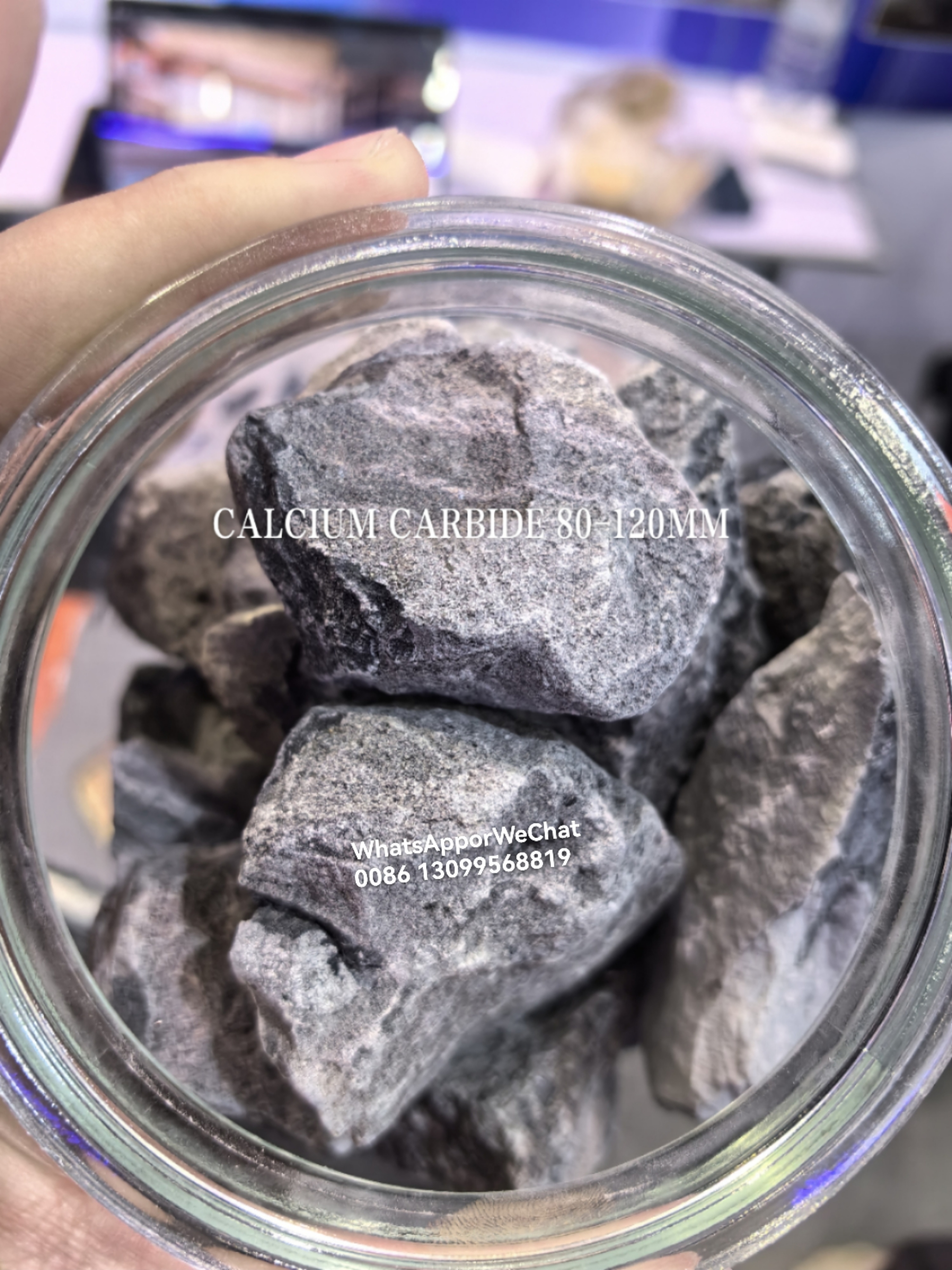
Calcium carbide is a chemical compound composed of calcium and carbon. It is produced through a reaction between quicklime (calcium oxide) and carbon in an electric arc furnace. The resulting calcium carbide is a grayish-black crystalline solid with various applications across different industries.
3. The Importance of Environmentally Friendly Solutions
In today's world, finding sustainable and environmentally friendly solutions is crucial. Industries are constantly seeking alternatives to minimize their impact on the environment. Calcium carbide offers a viable solution due to its environmentally friendly nature and versatile applications.
4. Calcium Carbide in the Non-metallic Mineral Industry
4.1. Application 1: Acetylene Production
One of the primary uses of calcium carbide is in the production of acetylene gas. Acetylene is a vital component in various industrial processes, including welding, cutting, and metal fabrication.
4.2. Application 2: Steelmaking
Calcium carbide plays a significant role in the steelmaking process. Its reaction with water produces acetylene gas, which is used for thermal spray coatings in steel mills. Additionally, calcium carbide is used as a desulfurizing agent in steel production.
4.3. Application 3: Synthetic Rubber Production
Synthetic rubber production heavily relies on calcium carbide. It is used as a raw material to produce important chemicals like butadiene, which is a key building block for synthetic rubber.
4.4. Application 4: Calcium Cyanamide Production
Calcium cyanamide, an essential compound in fertilizer production, is derived from calcium carbide. This compound helps improve soil fertility and promote plant growth, making it an invaluable asset in the agricultural industry.
4.5. Application 5: Fruit Ripening
Calcium carbide is commonly used in fruit ripening processes. When exposed to moisture, it produces acetylene gas, which accelerates the ripening of fruits. However, it is important to note that the use of calcium carbide for fruit ripening is highly regulated in many countries due to safety concerns.
4.6. Application 6: Water Treatment
Calcium carbide is also utilized in water treatment processes. It helps remove impurities and neutralize acidic water, ensuring safe and clean drinking water for communities.
5. Advantages of Environmentally Friendly Calcium Carbide
Environmentally friendly calcium carbide offers several advantages over traditional alternatives. It is a sustainable option that minimizes environmental impact, reduces carbon emissions, and promotes energy efficiency. Additionally, its versatility and wide range of applications make it a valuable asset in the non-metallic mineral industry.
6. FAQs About Calcium Carbide
6.1. What is the chemical composition of calcium carbide?
Calcium carbide has a chemical formula of CaC2, indicating its composition of calcium and carbon.
6.2. Is calcium carbide hazardous to humans?
Calcium carbide can be hazardous if mishandled or used improperly. It releases toxic gases upon contact with water and should be handled with caution.
6.3. Can calcium carbide be used in organic farming?
The use of calcium carbide in organic farming is highly debated. While it can be an effective tool for certain purposes, its safety and impact on organic farming practices are still under scrutiny.
6.4. How is calcium carbide used for fruit ripening?
Calcium carbide is used for fruit ripening by placing it in a closed container with the unripe fruits. The release of acetylene gas accelerates the ripening process.
6.5. Is calcium carbide cost-effective compared to other alternatives?
Calcium carbide can be a cost-effective option for specific applications, considering its versatility and wide availability.
7. Conclusion
In conclusion, the versatility and environmentally friendly nature of calcium carbide make it a promising compound in the non-metallic mineral industry. Its various applications, from acetylene production to fruit ripening, highlight its potential to revolutionize different sectors. By embracing calcium carbide, industries can take a step towards a greener and more sustainable future.
News Hotspot



Our Main Products
Can't find the service you're looking for? Contact us!
To inquire about our products, please leave your email to us and we will contact you within 24 hours.