




China Calcium Calcium Product Provider
Unlocking the Potential of Calcium Carbide for Desulfurization
Release Time:
2023-12-22
Advantages of Calcium Carbide for Desulfurization
Table of Contents:
1. Introduction: Understanding the Importance of Desulfurization
2. What is Calcium Carbide?
3. The Desulfurization Process: How Calcium Carbide Works
4. Advantages of Calcium Carbide for Desulfurization
5. Applications of Calcium Carbide in Desulfurization
6. Safety Considerations and Precautions
7. Frequently Asked Questions about Calcium Carbide and Desulfurization
8. Conclusion: Harnessing Calcium Carbide's Desulfurization Potential
1. Introduction: Understanding the Importance of Desulfurization
Desulfurization plays a crucial role in industries such as metallurgy, mining, and energy production, particularly in the non-metallic minerals sector. To maintain environmental standards and ensure product quality, it is essential to reduce the sulfur content in various materials and fuels. This article explores the potential of calcium carbide as a powerful desulfurization agent and its wide-ranging applications in the industry.
2. What is Calcium Carbide?
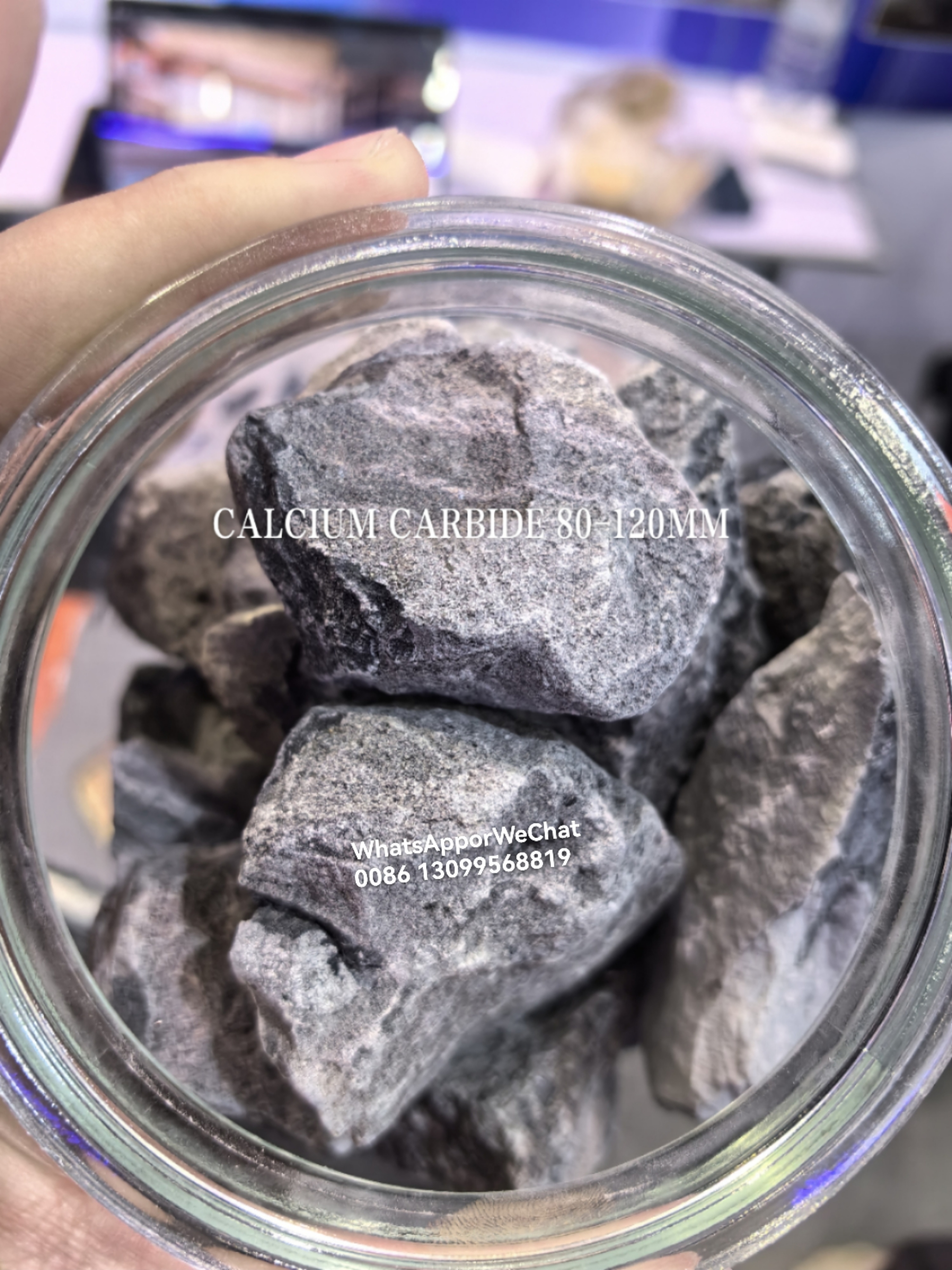
Calcium carbide is a chemical compound that consists of calcium and carbon atoms. It is produced through the reaction of lime and coke at extremely high temperatures in an electric arc furnace. The resulting product is a grayish-black material with a solid, crystalline structure. Calcium carbide is widely used in various industries, including steelmaking, mining, and the production of acetylene gas.
3. The Desulfurization Process: How Calcium Carbide Works
Desulfurization using calcium carbide involves a chemical reaction that effectively removes sulfur compounds from materials and fuels. When calcium carbide comes into contact with sulfur-containing substances, such as iron sulfides or sulfur-rich gases, it reacts to form calcium sulfide. This reaction can occur at high temperatures, allowing for efficient desulfurization in industrial processes.
4. Advantages of Calcium Carbide for Desulfurization
Calcium carbide offers several advantages for desulfurization applications. Firstly, it is a cost-effective solution compared to other desulfurization methods. Its wide availability and relatively low cost make it a preferred choice for industries looking to reduce sulfur emissions and comply with environmental regulations.
Secondly, calcium carbide can achieve high desulfurization efficiency, ensuring the desired sulfur levels are met effectively. Its strong chemical reaction with sulfur compounds allows for thorough removal, resulting in cleaner and more environmentally friendly end products.
Furthermore, calcium carbide is a versatile desulfurization agent. It can be used in different forms, such as powder or pellets, to suit specific industrial requirements. This flexibility allows for easy integration into existing processes and systems without significant modifications or disruptions.
5. Applications of Calcium Carbide in Desulfurization
Calcium carbide finds extensive applications in desulfurization across various industries. In the metallurgical industry, it is used for desulfurization during the production of iron and steel. The calcium carbide reacts with sulfur impurities in the molten metal, forming calcium sulfide, which can be easily removed.
In the mining sector, calcium carbide helps in desulfurization processes during ore beneficiation. It is effective in removing sulfur compounds from minerals, improving their quality and purity.
Additionally, calcium carbide is employed in the energy sector for desulfurization of fossil fuels, particularly coal. By reducing the sulfur content in coal, it minimizes the emission of harmful sulfur dioxide (SO2) gases during combustion, contributing to cleaner air and reduced environmental impact.
6. Safety Considerations and Precautions
While calcium carbide offers significant benefits in desulfurization, it is important to handle and use it with proper safety precautions. Calcium carbide is reactive and can release acetylene gas upon contact with water. Therefore, it should be stored in a dry environment and kept away from moisture.
When handling calcium carbide, appropriate personal protective equipment (PPE) should be worn, including gloves, goggles, and respiratory protection. It is crucial to follow the manufacturer's guidelines and safety protocols to prevent accidents and ensure worker safety.
7. Frequently Asked Questions about Calcium Carbide and Desulfurization
Q1: Is calcium carbide hazardous to the environment?
Q2: Can I use calcium carbide for desulfurization in small-scale applications?
Q3: How does calcium carbide compare to other desulfurization methods?
Q4: Are there any alternatives to calcium carbide for desulfurization?
Q5: Can calcium carbide be recycled or reused after desulfurization?
8. Conclusion: Harnessing Calcium Carbide's Desulfurization Potential
Calcium carbide offers substantial potential for desulfurization in various industries, thanks to its cost-effectiveness, efficiency, and versatility. By utilizing calcium carbide in the desulfurization process, industries can effectively reduce sulfur emissions, comply with environmental regulations, and improve product quality. However, it is essential to prioritize safety and follow proper handling procedures to ensure a safe working environment. With its wide-ranging applications and numerous benefits, calcium carbide is truly unlocking the potential for efficient desulfurization.
News Hotspot



Our Main Products
Can't find the service you're looking for? Contact us!
To inquire about our products, please leave your email to us and we will contact you within 24 hours.