




China Calcium Calcium Product Provider
Understanding the Production Process of Calcium Carbide: A Comprehensive Guide
Release Time:
2023-12-21
Calcium carbide, a compound with the formula CaC2, is a crucial component used in various industries.
Table of Contents:
1. Introduction to Calcium Carbide
2. Importance and Applications
3. Chemical Composition and Properties
4. Mining and Extraction of Raw Materials
5. Preparation of Calcium Carbide
5.1. Carbonization Process
5.2. Electric Arc Furnace Method
5.3. Acetylene Reaction Method
6. Purification and Quality Control
6.1. Impurity Removal
6.2. Quality Assessment and Testing
7. Packaging and Storage
8. Safety Measures and Handling Practices
9. Frequently Asked Questions (FAQs)
10. Conclusion
1. Introduction to Calcium Carbide
Calcium carbide, a compound with the formula CaC2, is a crucial component used in various industries. It is produced through a complex process involving the combination of carbon and calcium oxide. This article explores the production process of calcium carbide, shedding light on its importance and applications.
2. Importance and Applications
Calcium carbide plays a vital role in industries such as metallurgy, mineral resources, and energy. It is primarily used for the production of acetylene gas, which serves as a precursor for many chemical compounds. Additionally, calcium carbide is employed in steelmaking, desulfurization processes, and the synthesis of various organic chemicals.
3. Chemical Composition and Properties
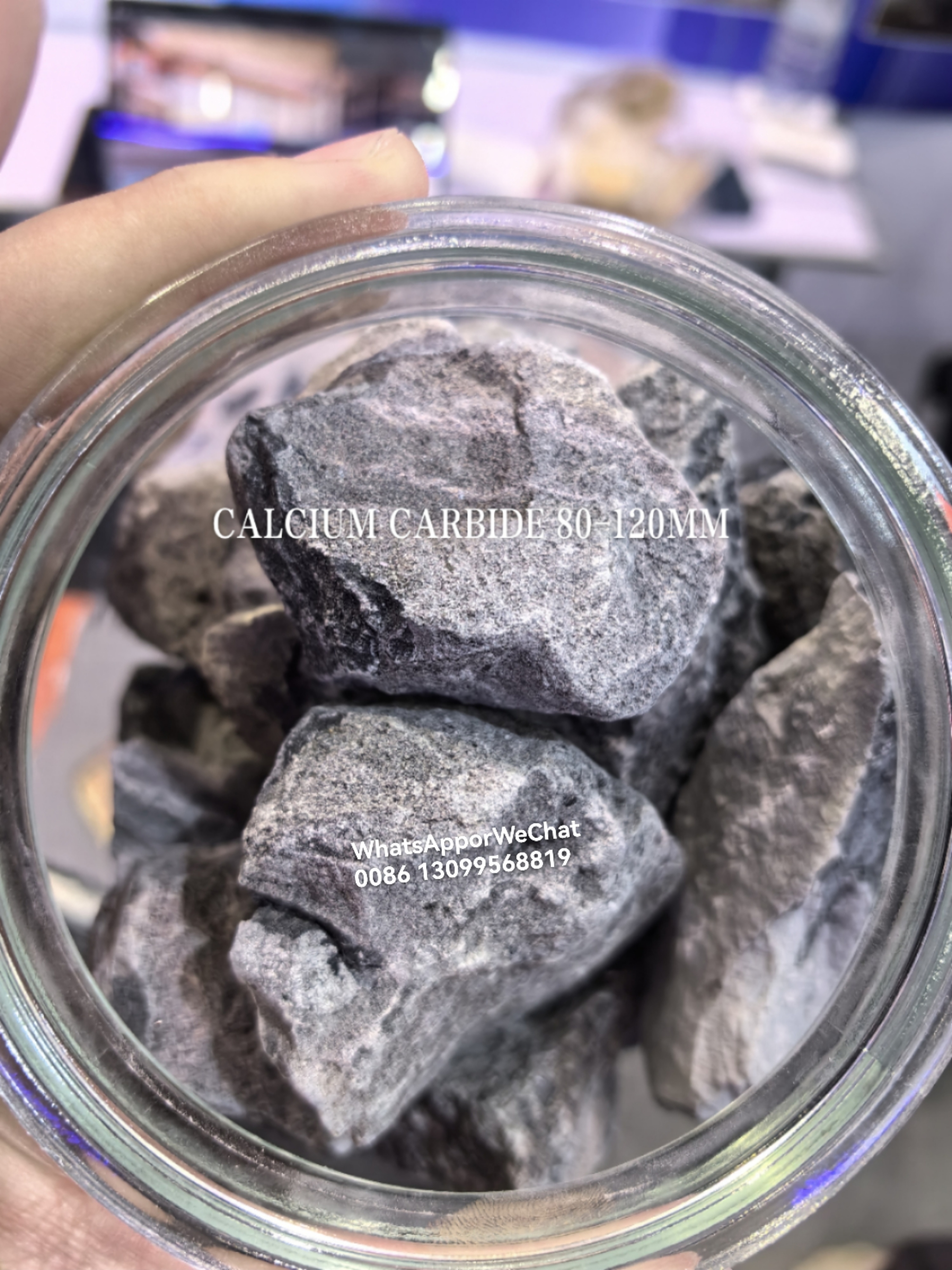
Calcium carbide consists of calcium and carbon atoms and has a molecular weight of 64.10 g/mol. It appears as a grayish-black solid with a crystalline structure. The compound is highly reactive and produces acetylene gas when it comes into contact with water.
4. Mining and Extraction of Raw Materials
The production process of calcium carbide begins with the mining and extraction of raw materials. Limestone, a primary source of calcium carbonate, is excavated from quarries. The extracted limestone undergoes crushing and grinding to obtain a fine powder.
5. Preparation of Calcium Carbide
The preparation of calcium carbide involves several methods. The most common techniques include the carbonization process, electric arc furnace method, and acetylene reaction method.
5.1. Carbonization Process
In the carbonization process, powdered limestone is heated in an electric furnace. The intense heat breaks down calcium carbonate, resulting in the formation of calcium oxide and carbon dioxide. The generated calcium oxide is then mixed with carbon in an electric arc furnace to produce calcium carbide.
5.2. Electric Arc Furnace Method
The electric arc furnace method involves heating a mixture of lime and carbon in an electric arc furnace. The intense heat causes a chemical reaction, leading to the formation of calcium carbide. This method is commonly employed for commercial-scale production.
5.3. Acetylene Reaction Method
The acetylene reaction method utilizes a combination of limestone and coke. The mixture is subjected to a high-temperature environment, yielding calcium carbide and carbon monoxide gas. The carbon monoxide is further converted into carbon dioxide, and the calcium carbide is collected for purification.
6. Purification and Quality Control
After the production process, calcium carbide undergoes purification to remove impurities and ensure its quality. This step is crucial to meet industry standards and ensure optimal performance in various applications.
6.1. Impurity Removal
Impurity removal involves processes such as filtration, precipitation, and chemical treatments. These methods eliminate unwanted substances, enhancing the purity of calcium carbide. Quality control measures are implemented to monitor and maintain the desired composition.
6.2. Quality Assessment and Testing
Quality assessment and testing are conducted to ensure the final calcium carbide product meets specific requirements. Various tests, such as chemical analysis, particle size determination, and moisture content measurement, are performed to verify the quality and conformity of the compound.
7. Packaging and Storage
Once purified and tested, calcium carbide is packaged and stored in appropriate containers to prevent moisture absorption and deterioration. Special care is taken to handle and store the compound safely, adhering to established guidelines and regulations.
8. Safety Measures and Handling Practices
Safety measures and handling practices are essential when dealing with calcium carbide. Due to its reactivity with water, proper precautions must be taken to avoid accidental ignition or release of acetylene gas. Protective clothing, ventilation systems, and fire safety protocols are crucial in handling this compound.
9. Frequently Asked Questions (FAQs)
FAQ 1: What are the main applications of calcium carbide?
FAQ 2: How is calcium carbide produced on an industrial scale?
FAQ 3: What safety precautions should be taken when handling calcium carbide?
FAQ 4: Can calcium carbide be used for desulfurization processes?
FAQ 5: What are the storage requirements for calcium carbide?
10. Conclusion
In conclusion, understanding the production process of calcium carbide is essential for industries dependent on its applications. From mining and extraction to purification and quality control, each step contributes to the production of a high-quality compound. By following safety measures and adhering to handling practices, calcium carbide can be utilized effectively while ensuring the well-being of workers and the environment.
By providing a comprehensive guide to the production process of calcium carbide, this article aims to educate and inform individuals seeking valuable insights into this significant compound.
News Hotspot



Our Main Products
Can't find the service you're looking for? Contact us!
To inquire about our products, please leave your email to us and we will contact you within 24 hours.