




China Calcium Calcium Product Provider
The Environmental Impact of Calcium Carbide Manufacturing: A Comprehensive Analysis of its Effects on Ecosystems and Human Health
Release Time:
2023-12-21
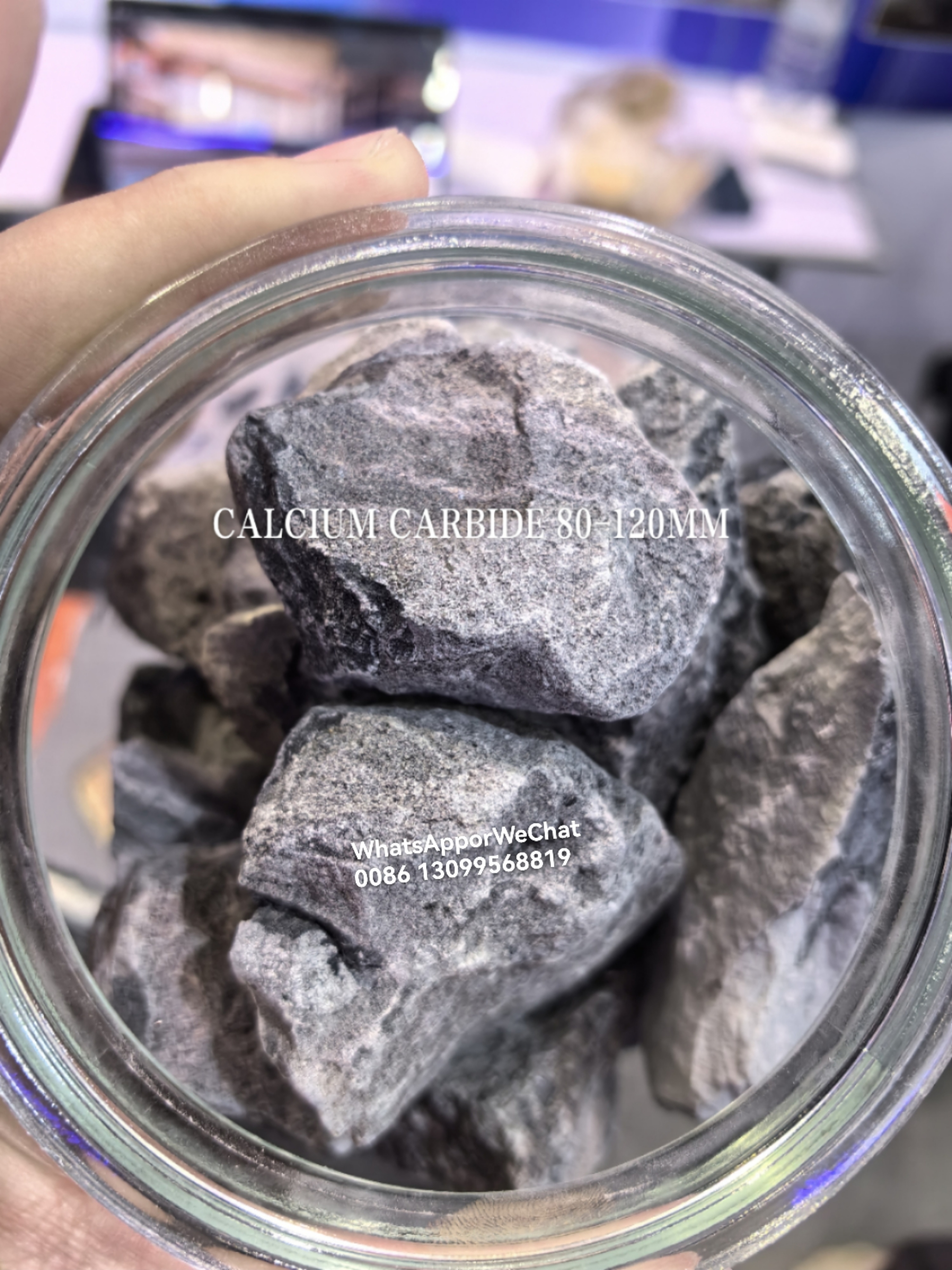
Calcium carbide is a chemical compound commonly used in industries such as metallurgy, mining, and energy.
Introduction: Understanding Calcium Carbide Manufacturing and its Environmental Impacts
Calcium carbide is a chemical compound commonly used in industries such as metallurgy, mining, and energy. It is primarily produced through calcium carbide manufacturing, a process that involves the reaction of calcium oxide with carbon in an electric arc furnace. While calcium carbide serves various industrial purposes, its manufacturing process has significant environmental implications. This article aims to delve into the adverse environmental impact of calcium carbide manufacturing, shed light on the potential consequences for ecosystems and human health, and emphasize the urgency of exploring sustainable alternatives.
1. Deforestation and Habitat Destruction as a Result of Calcium Carbide Manufacturing
The production of calcium carbide requires vast amounts of raw materials, particularly coal and limestone. The extraction of coal often leads to deforestation, as large areas of forests are cleared to access coal reserves. Additionally, limestone mining contributes to habitat destruction, disrupting the delicate balance of ecosystems. The loss of forests and disruption of habitats can have long-lasting effects on biodiversity, causing the decline or even extinction of numerous plant and animal species.
2. Air Pollution and Greenhouse Gas Emissions Linked to Calcium Carbide Manufacturing
The calcium carbide manufacturing process releases significant amounts of air pollutants and greenhouse gases into the atmosphere. The combustion of carbon during the production process generates carbon monoxide, a harmful gas known for its detrimental effects on human health. Sulfur dioxide and nitrogen oxides, which contribute to acid rain and smog formation, are also byproducts of calcium carbide manufacturing. Moreover, the release of carbon dioxide, a potent greenhouse gas, exacerbates climate change and its associated environmental consequences.
3. Water Contamination and Ecological Imbalance Caused by Calcium Carbide Manufacturing
During the production of calcium carbide, various chemical byproducts are discharged into water bodies, leading to water pollution. The presence of calcium hydroxide in wastewater can contribute to the alkalization of aquatic ecosystems, creating an unfavorable environment for aquatic plants and organisms. Additionally, the release of toxic heavy metals, such as arsenic and mercury, poses a severe threat to both aquatic life and the overall balance of marine and freshwater ecosystems.
4. Health Risks Associated with Calcium Carbide Manufacturing
The environmental impacts of calcium carbide manufacturing extend beyond ecosystems, posing significant risks to human health. Workers involved in the production process are exposed to various hazardous substances, including toxic gases and dust. Inhalation of calcium carbide dust can lead to respiratory problems, while prolonged exposure to toxic gases may result in serious health conditions, such as lung damage and neurological disorders. Furthermore, the release of pollutants into the air and water can affect nearby communities, increasing the risk of respiratory diseases and other health complications.
5. The Importance of Sustainable Alternatives to Calcium Carbide Manufacturing
Recognizing the detrimental consequences of calcium carbide manufacturing, it is crucial to explore sustainable alternatives that minimize or eliminate these environmental and health risks. Researchers and industry experts are actively seeking innovative methods for producing chemicals and materials without relying on calcium carbide. Promising alternatives include renewable energy-driven processes, green chemistry approaches, and the utilization of bio-based feedstocks. By embracing sustainable alternatives, we can mitigate the environmental impact of calcium carbide manufacturing while fostering a greener and healthier future.
Frequently Asked Questions (FAQs)
FAQ 1: Is calcium carbide manufacturing completely unavoidable in certain industries?
While calcium carbide manufacturing is currently prevalent in certain industries, efforts are being made to find sustainable alternatives that can replace its usage altogether. By investing in research and development, industries can transition towards environmentally friendly and safer production methods.
FAQ 2: Are there any regulations in place to control the environmental impact of calcium carbide manufacturing?
Various regulatory bodies and environmental agencies have implemented guidelines and regulations to minimize the environmental impact of calcium carbide manufacturing. However, stricter enforcement and continuous monitoring are essential to ensure compliance and mitigate potential risks effectively.
FAQ 3: How can individuals contribute to reducing the environmental impact of calcium carbide manufacturing?
As individuals, we can play a role in reducing the demand for calcium carbide products by opting for sustainable alternatives and supporting eco-friendly initiatives. By making conscious choices and advocating for change, we can collectively contribute to a greener and more sustainable future.
FAQ 4: Are there any ongoing research initiatives focused on finding alternatives to calcium carbide?
Numerous research initiatives and collaborations are underway to develop sustainable alternatives to calcium carbide. These efforts aim to explore greener manufacturing processes, renewable energy-driven solutions, and the utilization of bio-based resources to replace the current reliance on calcium carbide.
FAQ 5: What are the potential economic benefits of transitioning away from calcium carbide manufacturing?
Transitioning away from calcium carbide manufacturing can present various economic opportunities. Embracing sustainable alternatives can lead to the development of new industries, job creation, and increased competitiveness in the global market. Furthermore, sustainable production methods often promote resource efficiency and long-term cost savings.
Conclusion: A Call for Sustainable Manufacturing Practices
The environmental impact of calcium carbide manufacturing cannot be ignored. From deforestation and habitat destruction to air pollution and water contamination, its consequences extend beyond industrial boundaries, affecting ecosystems and human health. By recognizing the urgency of the situation, investing in research and development, and promoting sustainable manufacturing practices, we can pave the way for a future that prioritizes environmental preservation and human well-being. It is time to acknowledge the importance of finding alternatives to calcium carbide manufacturing and work together towards a greener and more sustainable world.
News Hotspot



Our Main Products
Can't find the service you're looking for? Contact us!
To inquire about our products, please leave your email to us and we will contact you within 24 hours.