




China Calcium Calcium Product Provider
Exploring the Environmental Benefits of Acetylene Carbide: A Sustainable Solution
Release Time:
2023-12-20
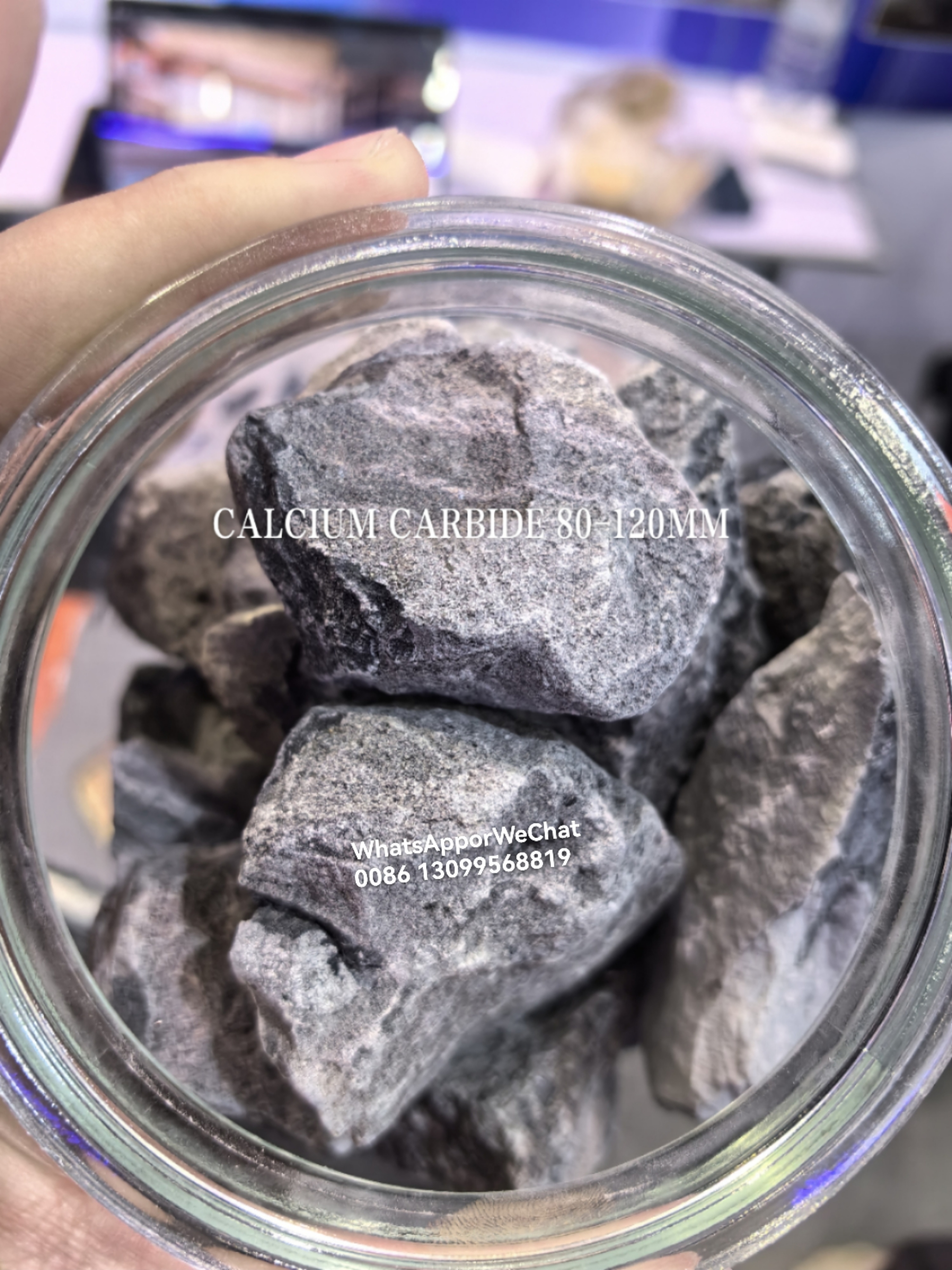
Acetylene Carbide, also known as calcium carbide, is a compound primarily used in the production of acetylene gas.
Table of Contents:
1. Introduction
2. What is Acetylene Carbide?
3. Environmental Advantages of Acetylene Carbide
3.1 Reduced Emissions and Air Pollution
3.2 Efficient Energy Consumption
3.3 Resource Conservation and Recycling
3.4 Minimization of Waste and By-products
4. Frequently Asked Questions (FAQs)
4.1 How is Acetylene Carbide produced?
4.2 What are the primary applications of Acetylene Carbide?
4.3 Are there any potential environmental risks associated with Acetylene Carbide?
4.4 How does Acetylene Carbide contribute to sustainable mining practices?
4.5 Is Acetylene Carbide cost-effective compared to alternative materials?
5. Conclusion
1. Introduction
In the ever-evolving landscape of industrial processes, the focus on sustainability has become paramount. As industries strive for more eco-friendly practices, the metallurgy, mineral, and energy sector have turned their attention to Acetylene Carbide as a solution that offers significant environmental benefits. This article aims to explore the various advantages and positive impacts of Acetylene Carbide, shedding light on its role in promoting a greener future.
2. What is Acetylene Carbide?
Acetylene Carbide, also known as calcium carbide, is a compound primarily used in the production of acetylene gas. It is synthesized through a reaction between calcium oxide and carbon, resulting in a versatile material with numerous industrial applications. Its unique properties make it a valuable component in various processes, including metallurgical refining, electrical power generation, and the production of chemicals.
3. Environmental Advantages of Acetylene Carbide
3.1 Reduced Emissions and Air Pollution
One of the key environmental benefits of Acetylene Carbide lies in its potential to reduce harmful emissions. When used as a fuel, acetylene gas produced from calcium carbide combustion emits lower levels of greenhouse gases compared to other fossil fuels. By substituting traditional energy sources with acetylene gas, industries can significantly contribute to mitigating climate change and improving air quality.
3.2 Efficient Energy Consumption
Acetylene Carbide is renowned for its high energy content, making it an efficient alternative to conventional energy sources. Its combustion properties allow for the production of intense heat, making it ideal for applications such as metal cutting, welding, and soldering. By utilizing Acetylene Carbide, industries can achieve higher energy efficiency, reducing energy consumption and associated costs.
3.3 Resource Conservation and Recycling
The production of Acetylene Carbide often involves utilizing raw materials derived from abundant sources. Calcium carbide, the main precursor, can be sourced from limestone and coke, reducing the reliance on scarce resources. Furthermore, the compound's by-products can be recycled to generate additional value, minimizing waste and optimizing resource utilization.
3.4 Minimization of Waste and By-products
Acetylene Carbide production processes prioritize efficient waste management and minimize the generation of harmful by-products. Advanced filtration and purification techniques help reduce the release of pollutants into the environment. The careful handling and treatment of by-products ensure that the environmental impact of Acetylene Carbide production remains minimal.
4. Frequently Asked Questions (FAQs)
4.1 How is Acetylene Carbide produced?
Acetylene Carbide is produced through a reaction between calcium oxide and carbon. This reaction takes place in an electric arc furnace, where intense heat and electricity facilitate the chemical transformation, resulting in the formation of calcium carbide.
4.2 What are the primary applications of Acetylene Carbide?
Acetylene Carbide finds diverse applications across several industries. It is commonly used in the production of acetylene gas, which is utilized in metal cutting, welding, and soldering. Additionally, it serves as a precursor in the manufacturing of chemicals, plastics, and synthetic fibers.
4.3 Are there any potential environmental risks associated with Acetylene Carbide?
When handled and stored appropriately, Acetylene Carbide poses minimal environmental risks. However, the reactive nature of acetylene gas necessitates strict adherence to safety guidelines during storage and transportation to prevent accidents or emissions.
4.4 How does Acetylene Carbide contribute to sustainable mining practices?
The production of Acetylene Carbide often involves sourcing raw materials from abundant resources, reducing strain on scarce minerals. Additionally, its efficient utilization and recycling of by-products minimize waste generation and optimize resource consumption, promoting sustainable mining practices.
4.5 Is Acetylene Carbide cost-effective compared to alternative materials?
Acetylene Carbide proves to be a cost-effective solution due to its high energy content, efficient combustion properties, and the ability to recycle by-products. These factors contribute to lower operational costs, making it an attractive option for industries aiming to balance sustainability with economic considerations.
5. Conclusion
As industries increasingly focus on environmental sustainability, Acetylene Carbide emerges as a promising solution in the metallurgy, mineral, and energy sector. Its numerous advantages, including reduced emissions, efficient energy consumption, resource conservation, and waste minimization, position it as a catalyst for positive change. By embracing the environmental benefits of Acetylene Carbide, industries can make significant strides towards a greener and more sustainable future.
News Hotspot



Our Main Products
Can't find the service you're looking for? Contact us!
To inquire about our products, please leave your email to us and we will contact you within 24 hours.