




China Calcium Calcium Product Provider
Understanding Calcium Carbide: Chemical Formula and Its Industrial Relevance
Release Time:
2025-01-14
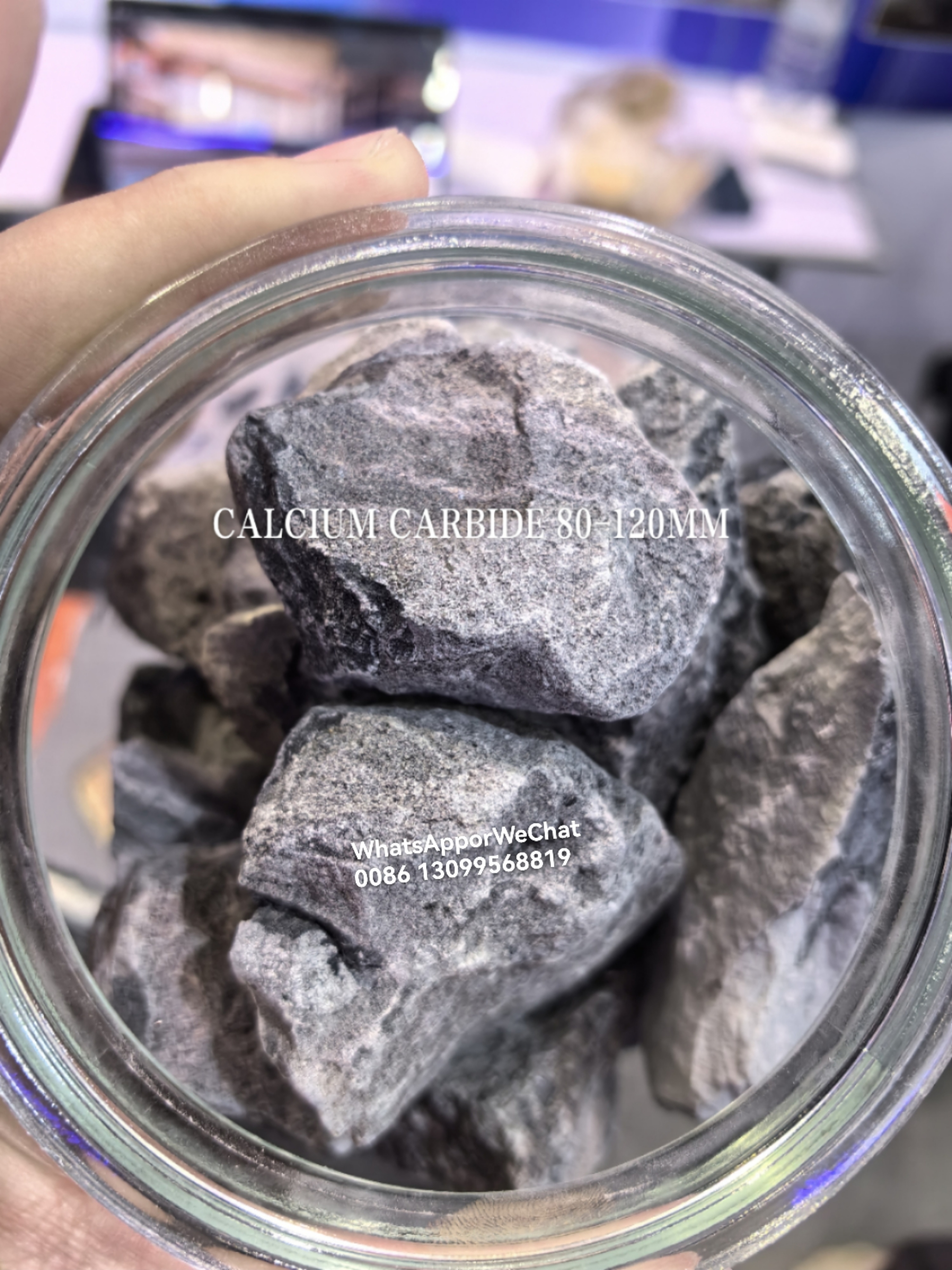
Calcium carbide, with the chemical formula CaC₂, is a fundamental compound in the metallurgical and non-metal mineral industries. It is primarily produced by the reaction of lime (CaO) and carbon (C) in a furnace at high temperatures, typically around 2,000 degrees Celsius. Understanding its chemical structure and properties is essential for professionals working in sectors that leverage its uniqu
The core component of calcium carbide, calcium (Ca), is an alkaline earth metal, while carbide (C₂) signifies the presence of carbon in a specific bonded form. This combination results in a substance that exhibits remarkable reactivity, especially with water, producing acetylene gas (C₂H₂). This acetylene is crucial for various applications, including welding and as a precursor for organic chemical synthesis.
In industrial contexts, the use of calcium carbide extends beyond just acetylene production. It plays a significant role in the production of calcium cyanamide, a nitrogenous fertilizer, contributing to agricultural advancements. Furthermore, calcium carbide is used in the manufacturing of steel, where it acts as a desulfurizing agent, enhancing the quality and strength of the final product.
Professionals in the metallurgy and mining industry should also be aware of the safety and handling requirements associated with calcium carbide. Due to its reactivity, especially when exposed to moisture, appropriate storage conditions are vital to prevent hazardous reactions. Compliance with safety regulations and guidelines is crucial for minimizing risks during transportation and usage.
Moreover, as sustainability becomes a growing concern in industrial practices, the production and application of calcium carbide are evolving. Innovations in manufacturing processes are aimed at reducing environmental impact, such as utilizing alternative energy sources in its production. Understanding these trends is beneficial for professionals aiming to align their operations with contemporary sustainability standards.
In conclusion, calcium carbide, represented by the chemical formula CaC₂, is a pivotal compound in the metallurgy and non-metal mineral sectors. Its diverse applications, ranging from acetylene production to agricultural fertilizers and steel manufacturing, underscore its importance in various industrial processes. Professionals in these fields must remain informed about the properties, applications, and safety considerations related to calcium carbide to leverage its benefits effectively while adhering to industry standards. Understanding these aspects can facilitate better decision-making in operations and enhance overall productivity in relevant sectors.
News Hotspot



Our Main Products
Can't find the service you're looking for? Contact us!
To inquire about our products, please leave your email to us and we will contact you within 24 hours.