




China Calcium Calcium Product Provider
Maximizing Your Production with In Stock Calcium Carbide 50-80mm: The Key to Enhanced Efficiency
Release Time:
2025-01-04
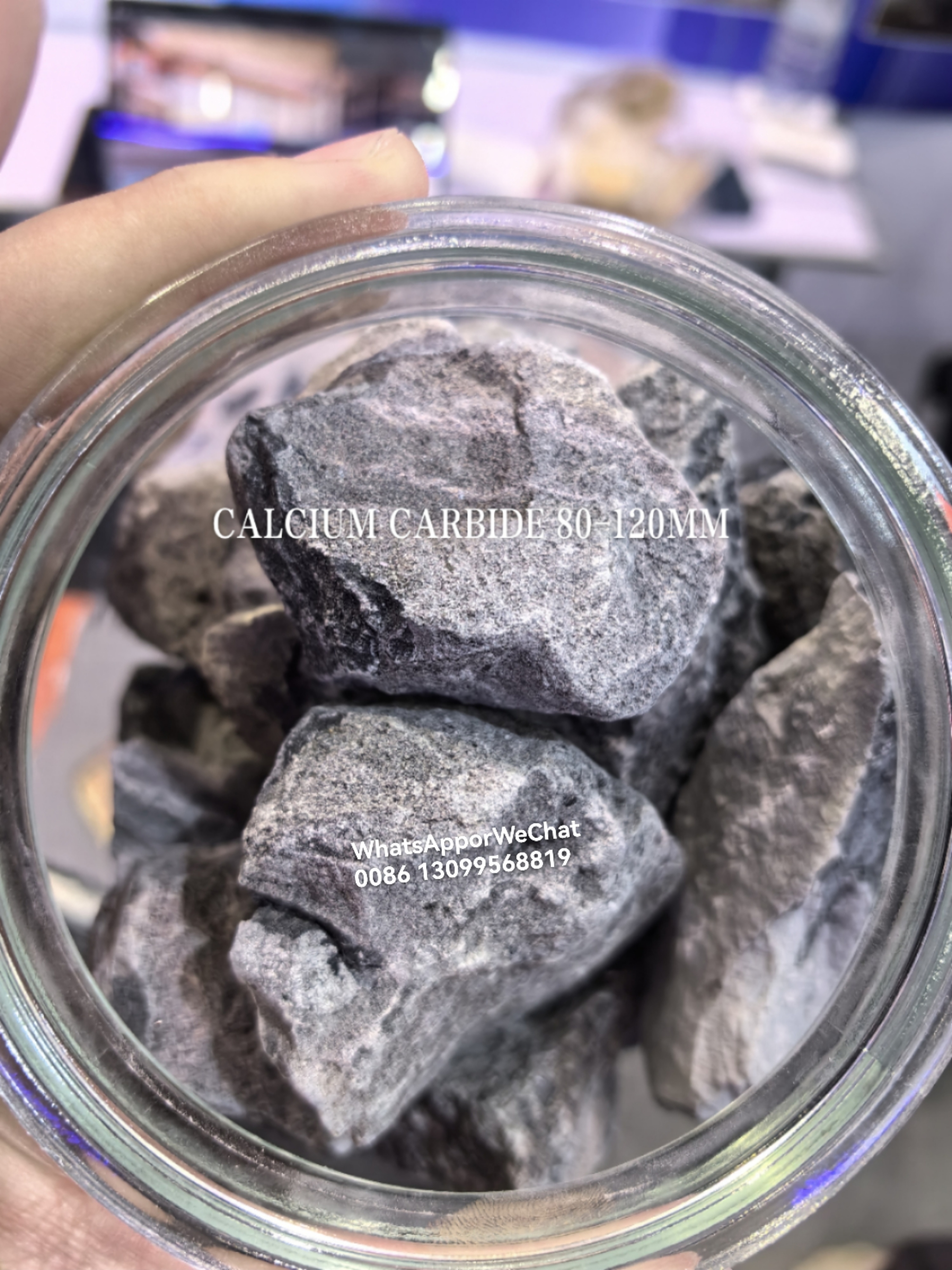
Maximizing Your Production with In Stock Calcium Carbide 50-80mm Table of Contents Introduction to Calcium Carbide Benefits of Using Calcium Carbide 50-80mm Applications of Calcium Carbide in Various Industries How to Maximize Production with Calcium Carbide Ensuring Quality with In Stock Calcium Carbide Best Practices for Storing Calcium Carbide Safety Measures When Handling Calciu
Maximizing Your Production with In Stock Calcium Carbide 50-80mm
Table of Contents
- Introduction to Calcium Carbide
- Benefits of Using Calcium Carbide 50-80mm
- Applications of Calcium Carbide in Various Industries
- How to Maximize Production with Calcium Carbide
- Ensuring Quality with In Stock Calcium Carbide
- Best Practices for Storing Calcium Carbide
- Safety Measures When Handling Calcium Carbide
- Conclusion: The Future of Production with Calcium Carbide
- FAQs
Introduction to Calcium Carbide
Calcium carbide, a chemical compound with the formula CaC2, plays a crucial role in several industrial applications. It is primarily used in the production of acetylene gas, which is essential for welding and cutting metals. However, calcium carbide also has numerous other applications, including use in the production of various chemicals and as a desulfurization agent in metallurgy. In this article, we will explore how in-stock calcium carbide with a size range of 50-80mm can significantly enhance your production capabilities, ensuring efficiency and effectiveness in your operations.
Benefits of Using Calcium Carbide 50-80mm
Using calcium carbide in the 50-80mm range offers several **key benefits**, including:
1. Improved Efficiency
The larger size of calcium carbide particles allows for more controlled reactions, which can lead to improved efficiency in production processes. By optimizing the reaction rates, businesses can achieve higher yields.
2. Consistent Quality
When utilizing in-stock calcium carbide, companies can ensure consistent quality in their products. The standardized size range minimizes variability, leading to predictable outcomes in chemical reactions.
3. Cost-Effectiveness
Purchasing in-stock calcium carbide can lead to significant cost savings. With a stable supply of standardized materials, companies can reduce downtime and avoid production delays.
4. Versatility
Calcium carbide can serve multiple purposes in industrial applications. Its versatility allows businesses to leverage a single material for various processes, ultimately streamlining operations.
Applications of Calcium Carbide in Various Industries
Calcium carbide has a wide range of applications across several industries, making it an essential component for many businesses.
1. Metallurgy
In metallurgy, calcium carbide is often used as a deoxidizing agent. It helps remove impurities from metals, enhancing the quality of the final product.
2. Chemical Manufacturing
Calcium carbide is a key ingredient in producing acetylene gas, which is utilized in the synthesis of various organic compounds. This makes it vital for chemical manufacturers.
3. Agriculture
In agriculture, calcium carbide aids in the ripening of fruits. It promotes ethylene production, which speeds up the ripening process, leading to better yields.
4. Construction
In the construction industry, calcium carbide is used in the creation of acetylene for welding and cutting metals, making it a valuable asset for construction projects.
How to Maximize Production with Calcium Carbide
To fully harness the benefits of calcium carbide, companies must implement effective strategies for its use.
1. Optimize Reaction Conditions
Understanding the optimal reaction conditions for using calcium carbide can lead to better production outcomes. Factors such as temperature, pressure, and the presence of catalysts should be carefully controlled.
2. Regular Supply Checks
Maintaining a steady supply of in-stock calcium carbide ensures that your production processes run smoothly. Regular checks on inventory levels can prevent shortages and production delays.
3. Employee Training
Training employees on the proper handling and application of calcium carbide is vital for maximizing its potential. Well-informed staff can achieve better results and maintain safety in the workplace.
Ensuring Quality with In Stock Calcium Carbide
Quality assurance is crucial when using calcium carbide in production processes. Here are some strategies to ensure high standards:
1. Source from Reputable Suppliers
Partnering with reliable suppliers for in-stock calcium carbide can guarantee the quality of the material. Always choose suppliers that comply with industry standards.
2. Conduct Regular Quality Checks
Implement routine quality control measures to assess the effectiveness of the calcium carbide being used. Regular tests can identify any inconsistencies early on.
3. Utilize Advanced Technology
Employing technology for monitoring and controlling production processes can enhance the quality of outcomes when using calcium carbide.
Best Practices for Storing Calcium Carbide
Proper storage of calcium carbide is essential to maintain its integrity and effectiveness.
1. Keep in a Dry Environment
Calcium carbide is highly reactive with moisture. Storing it in a dry place prevents unwanted reactions that can compromise its quality.
2. Use Proper Containers
Store calcium carbide in airtight containers to minimize exposure to air and moisture.
3. Label Clearly
Clear labeling of storage containers can prevent confusion and ensure safe handling by employees.
Safety Measures When Handling Calcium Carbide
Handling calcium carbide requires strict adherence to safety protocols to prevent accidents.
1. Personal Protective Equipment (PPE)
Always wear appropriate PPE, including gloves, goggles, and masks, to protect against exposure to hazardous materials.
2. Emergency Procedures
Establish clear emergency response procedures in case of accidental exposure or spills. Employees should be trained to respond effectively.
3. Regular Safety Training
Conduct regular safety training sessions to keep employees informed about the risks associated with calcium carbide and best handling practices.
Conclusion: The Future of Production with Calcium Carbide
Maximizing your production capabilities with in-stock calcium carbide in the size range of 50-80mm can significantly enhance efficiency, ensure quality, and reduce costs. By understanding its benefits and applications, optimizing production processes, and adhering to safety measures, businesses can leverage this versatile material to achieve superior results. As industries continue to evolve, the strategic use of calcium carbide will play an increasingly central role in driving productivity and innovation.
FAQs
1. What is calcium carbide used for?
Calcium carbide is primarily used in the production of acetylene gas, which is essential for welding and cutting metals. It is also used in chemical manufacturing and agriculture.
2. How should calcium carbide be stored?
Calcium carbide should be stored in a dry environment, preferably in airtight containers to prevent moisture exposure.
3. What safety measures should be taken when handling calcium carbide?
Always wear personal protective equipment (PPE), including gloves, goggles, and masks. Establish emergency procedures and conduct regular safety training.
4. Why is the size range of 50-80mm important?
The 50-80mm size range allows for more controlled reactions, improving efficiency and ensuring consistent quality in production processes.
5. Can calcium carbide be used in agriculture?
Yes, calcium carbide is used in agriculture to promote the ripening of fruits by enhancing ethylene production.
News Hotspot



Our Main Products
Can't find the service you're looking for? Contact us!
To inquire about our products, please leave your email to us and we will contact you within 24 hours.