




China Calcium Calcium Product Provider
Exploring the Diverse Applications of Quality Calcium Carbide 25-50mm in Modern Industries
Release Time:
2024-12-31
Exploring the Diverse Applications of Quality Calcium Carbide 25-50mm in Modern Industries Table of Contents 1. Introduction to Calcium Carbide 2. Chemical Composition and Properties of Calcium Carbide 3. The Role of Calcium Carbide in Acetylene Production 4. Applications of Calcium Carbide in Metallurgy 4.1 Calcium Carbide as a Desulfurizing Agent 4.2 Enhancing Steel Production with Calcium Carbi
Exploring the Diverse Applications of Quality Calcium Carbide 25-50mm in Modern Industries
Table of Contents
1. Introduction to Calcium Carbide
2. Chemical Composition and Properties of Calcium Carbide
3. The Role of Calcium Carbide in Acetylene Production
4. Applications of Calcium Carbide in Metallurgy
4.1 Calcium Carbide as a Desulfurizing Agent
4.2 Enhancing Steel Production with Calcium Carbide
5. Calcium Carbide in Chemical Synthesis
5.1 Production of Various Chemicals
5.2 Role in Organic Synthesis
6. The Use of Calcium Carbide in Agriculture
7. Safety and Handling of Calcium Carbide
8. Conclusion
9. FAQs
1. Introduction to Calcium Carbide
Calcium carbide (CaC2) is a chemical compound with significant industrial importance. Its distinctive properties and versatility have made it an essential component across various sectors. The 25-50mm size range of calcium carbide is particularly sought after for numerous applications, showcasing its effectiveness and efficiency in modern industrial practices.
2. Chemical Composition and Properties of Calcium Carbide
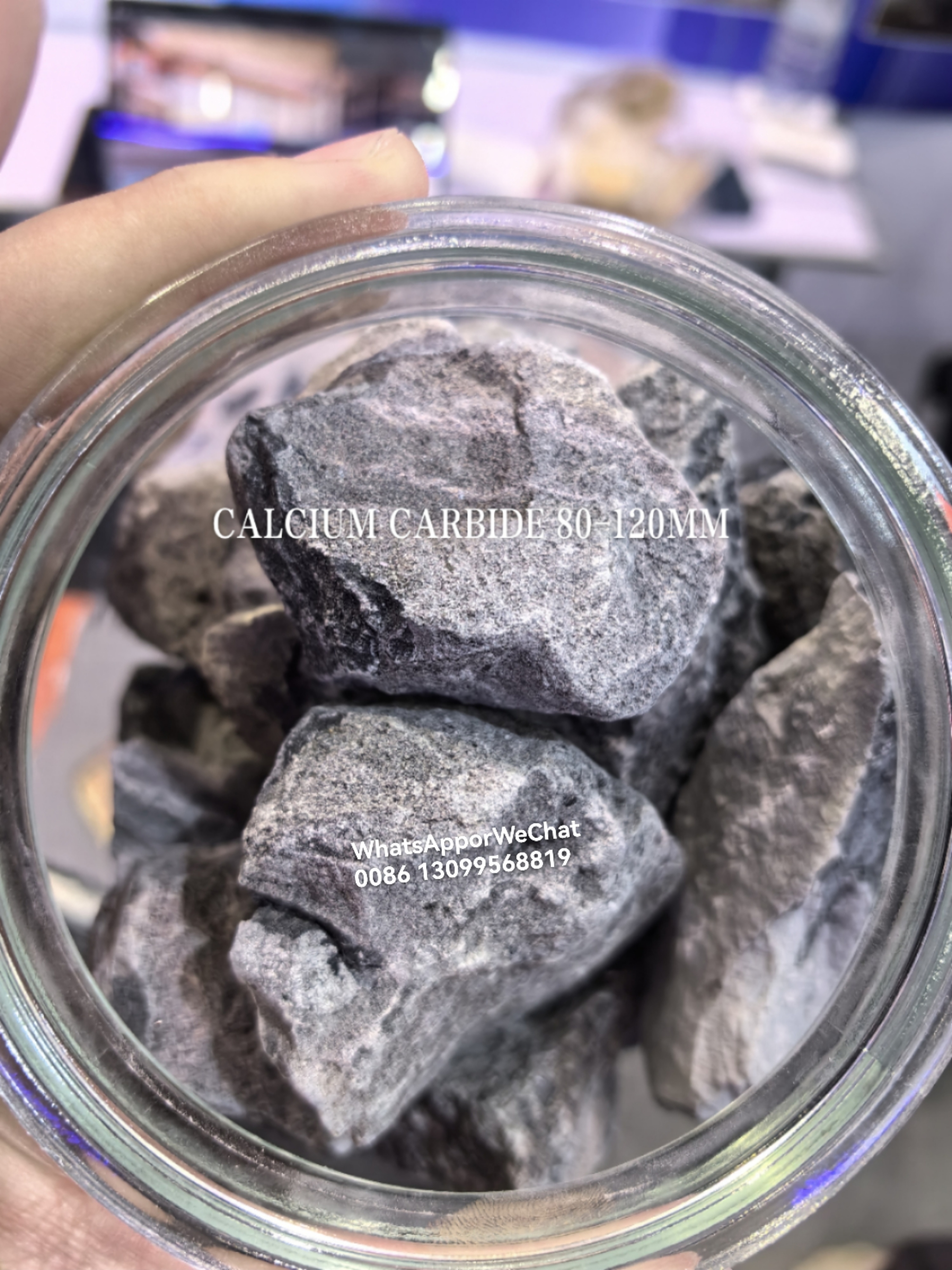
Calcium carbide is composed of calcium and carbon, forming a grayish-black solid that is highly reactive. When exposed to moisture, it generates acetylene gas, a key ingredient in various chemical processes. The physical properties of calcium carbide include its high melting point, density, and solubility in water, making it an ideal material for applications in both chemical and metallurgical industries.
3. The Role of Calcium Carbide in Acetylene Production
One of the primary uses of calcium carbide is in the production of **acetylene gas**. When calcium carbide reacts with water, it produces acetylene and calcium hydroxide. This reaction is crucial for various applications, including welding, cutting metals, and synthesizing organic chemicals. The quality of calcium carbide can significantly impact the efficiency and yield of acetylene production.
4. Applications of Calcium Carbide in Metallurgy
Calcium carbide plays a vital role in the metallurgy industry, particularly in the production of high-quality metals.
4.1 Calcium Carbide as a Desulfurizing Agent
In metallurgy, calcium carbide is widely used as a **desulfurizing agent**. The addition of calcium carbide to molten metal helps remove sulfur impurities, resulting in cleaner, higher-quality metal. This application is particularly important in steelmaking, where sulfur can adversely affect the mechanical properties of the final product.
4.2 Enhancing Steel Production with Calcium Carbide
Calcium carbide is also utilized to **enhance steel production**. By controlling the chemical composition of steel, manufacturers can achieve desired properties such as improved strength and durability. The use of calcium carbide in this process ensures consistency and quality in the final steel products.
5. Calcium Carbide in Chemical Synthesis
The versatility of calcium carbide extends to chemical synthesis, where it serves as a precursor for various chemicals.
5.1 Production of Various Chemicals
Calcium carbide is instrumental in the **production of acetaldehyde**, acetic acid, and other important chemicals. These compounds are widely used in the manufacturing of plastics, solvents, and pharmaceuticals, showcasing the far-reaching impact of calcium carbide in the chemical industry.
5.2 Role in Organic Synthesis
In addition to its applications in industrial synthesis, calcium carbide is employed in organic synthesis, aiding in the creation of complex organic molecules. This capability highlights its importance in research and development across multiple scientific fields.
6. The Use of Calcium Carbide in Agriculture
Calcium carbide finds application in agriculture as well, particularly in fruit ripening. When exposed to moisture, calcium carbide releases acetylene gas, which accelerates the ripening process in fruits such as bananas and tomatoes. This method not only enhances the marketability of produce but also helps in meeting consumer demand for ripe fruits.
7. Safety and Handling of Calcium Carbide
Due to its reactive nature, proper safety measures must be taken when handling calcium carbide. It is essential to store it in a cool, dry place away from moisture. Wearing protective gear such as gloves and goggles is crucial to avoid skin and eye irritation. Furthermore, proper training on handling and responding to emergencies related to calcium carbide is vital for all personnel involved in its use.
8. Conclusion
In conclusion, quality calcium carbide in the 25-50mm range is an indispensable material across various industries, from metallurgy to agriculture. Its unique properties and versatile applications make it crucial for modern manufacturing processes, while its role in chemical synthesis underscores its significance in scientific advancements. As industries continue to evolve, the demand for calcium carbide is expected to grow, highlighting the need for quality production and careful handling.
9. FAQs
What is calcium carbide used for?
Calcium carbide is primarily used for producing acetylene gas, which is essential in welding, cutting metals, and synthesizing various chemicals.
Is calcium carbide safe to use?
While calcium carbide is widely used, it must be handled with care due to its reactivity. Proper safety measures and training are necessary to ensure safe usage.
How does calcium carbide affect steel production?
Calcium carbide is used as a desulfurizing agent in steel production, helping to remove sulfur impurities and enhance the quality of the final product.
Can calcium carbide be used in agriculture?
Yes, calcium carbide is used in agriculture to accelerate the ripening process of fruits by releasing acetylene gas when it comes into contact with moisture.
Where can I buy quality calcium carbide?
Quality calcium carbide can be purchased from industrial chemical suppliers, online marketplaces, and specialized distributors focusing on chemical products.
By understanding the comprehensive applications of calcium carbide, industries can leverage its benefits while ensuring safe practices and high-quality standards.
News Hotspot



Our Main Products
Can't find the service you're looking for? Contact us!
To inquire about our products, please leave your email to us and we will contact you within 24 hours.