




China Calcium Calcium Product Provider
The Latest Insights on Newest Calcium Carbide (25-50mm) for Metallurgy and Non-Metallic Mining
Release Time:
2024-12-29
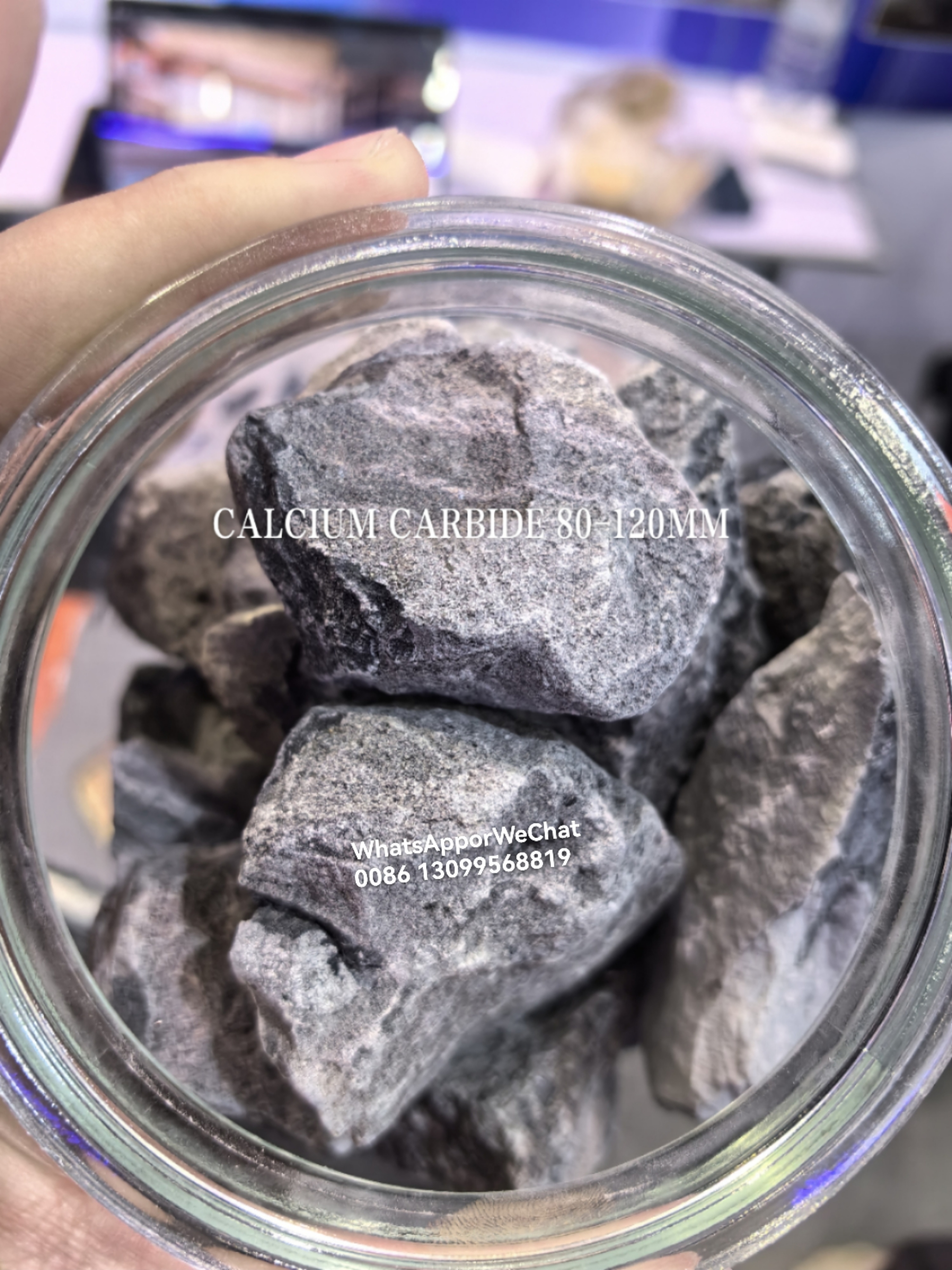
Calcium carbide, a crucial chemical compound in the metallurgy and non-metallic mining industries, is well-known for its ability to produce acetylene gas when it reacts with water. The newest calcium carbide, particularly in the size range of 25-50mm, is gaining attention due to its enhanced physical properties and applications across various sectors. One of the primary applications of calcium car
One of the primary applications of calcium carbide is in the production of acetylene, which serves as a key fuel and chemical feedstock in diverse industrial processes. Acetylene, generated from calcium carbide, is used in welding and cutting metals, making it an essential component in the manufacturing and construction industries. The size range of 25-50mm offers advantages in terms of handling, storage, and reaction efficiency. Larger pieces of calcium carbide tend to react more slowly with water, allowing for better control over acetylene production rates, which is especially beneficial during industrial applications.
Moreover, the newest calcium carbide is recognized for its purity and quality, significantly impacting its effectiveness in various chemical reactions. Industries utilizing calcium carbide for the production of calcium cyanamide, which is a key ingredient in fertilizers and herbicides, are also reaping the benefits of high-quality calcium carbide. The consistent size of 25-50mm facilitates uniform heating and reaction times, which are critical for maximizing yield and minimizing waste in production processes.
Additionally, improvements in the mining and processing methods of calcium carbide have led to reduced impurities, resulting in a more efficient product. Industry professionals should consider the impact of these advancements on their operations. The newer production techniques often lead to more sustainable practices, aligning with the growing demand for environmentally responsible sourcing and manufacturing processes.
When it comes to transportation and logistics, the size of calcium carbide in the 25-50mm range can help reduce breakage and losses during transit. This characteristic is particularly important in maintaining quality and ensuring a steady supply to end-users. Businesses should evaluate their supply chain strategies to incorporate newer, more robust calcium carbide options that can provide better operational efficiencies.
In conclusion, the newest calcium carbide in the 25-50mm size range presents numerous advantages for the metallurgy and non-metallic mining industries. By understanding its applications, benefits, and the continuous improvements in production quality, industry professionals can make informed decisions that enhance their operational effectiveness and support sustainable practices. Staying abreast of these advancements is essential for maintaining a competitive edge in the ever-evolving market landscape.
News Hotspot



Our Main Products
Can't find the service you're looking for? Contact us!
To inquire about our products, please leave your email to us and we will contact you within 24 hours.