




China Calcium Calcium Product Provider
Understanding Calcium Carbide: Properties, Uses, and Applications
Release Time:
2024-12-21
Calcium carbide, with the chemical formula CaC2, is a grayish-black solid that plays a crucial role in multiple industrial processes. Its primary use lies in the production of acetylene gas, which is vital for welding and cutting applications. When calcium carbide reacts with water, it generates acetylene and calcium hydroxide. This reaction is not only fundamental in the welding industry but also
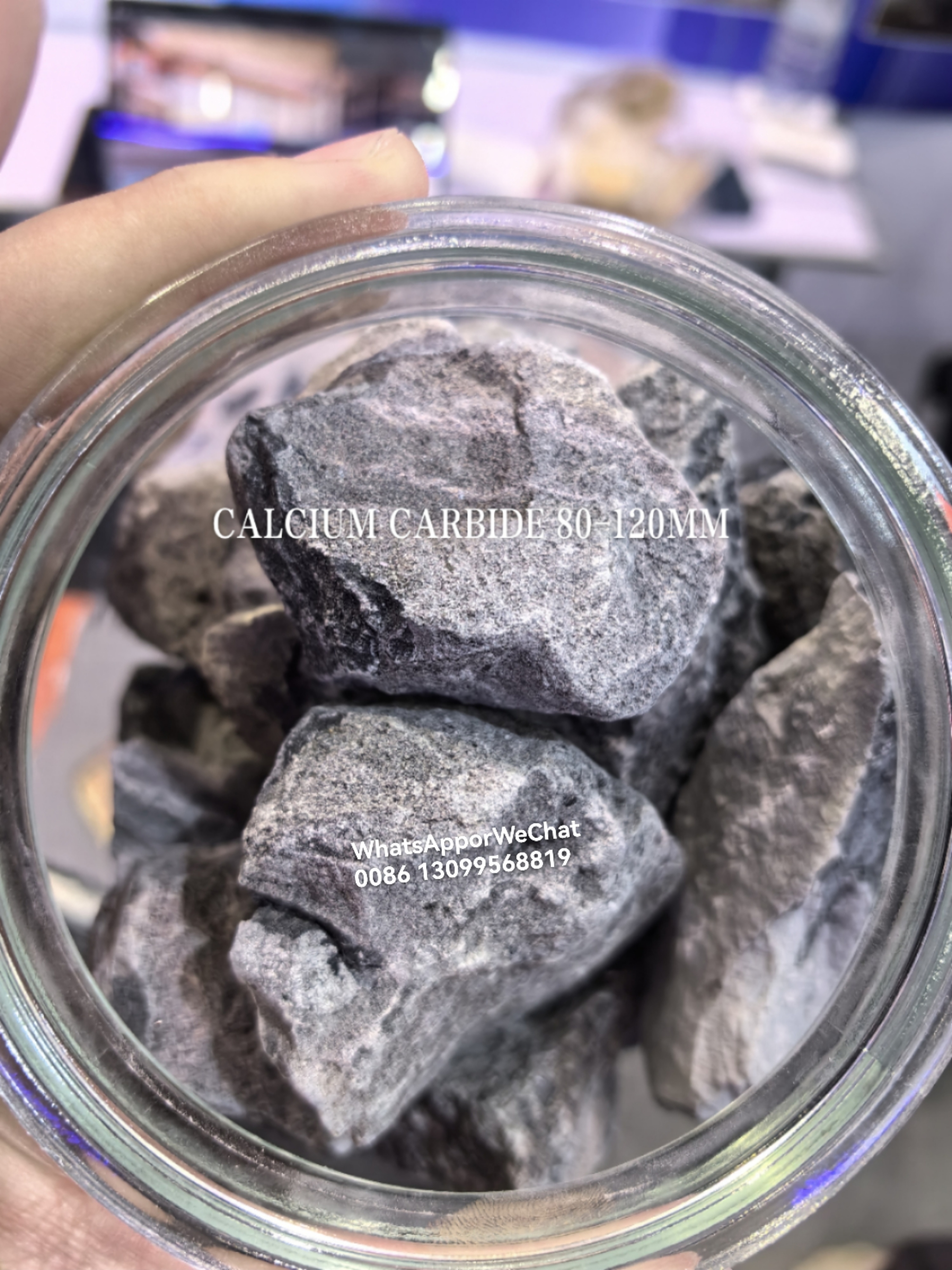
Calcium carbide, with the chemical formula CaC2, is a grayish-black solid that plays a crucial role in multiple industrial processes. Its primary use lies in the production of acetylene gas, which is vital for welding and cutting applications. When calcium carbide reacts with water, it generates acetylene and calcium hydroxide. This reaction is not only fundamental in the welding industry but also in the synthesis of various organic compounds.
The production of calcium carbide typically involves heating a mix of lime (calcium oxide) and carbon in an electric arc furnace. The high temperatures (about 2000°C) facilitate the reaction between the two materials, resulting in calcium carbide. The quality of calcium carbide produced can significantly depend on the input materials and the conditions under which it is synthesized. Quality control during production is essential to ensure that the final product meets industry standards.
In addition to its role in acetylene production, calcium carbide is also utilized in the manufacture of chemicals, including calcium cyanamide, which is used as a fertilizer. Furthermore, it acts as a desulfurizing agent in the steel industry, helping to remove sulfur impurities from molten metal, which enhances the quality of the final product.
Another notable application of calcium carbide is in the field of agriculture. When applied to soil, it releases acetylene gas, which can stimulate the production of certain plant hormones, ultimately promoting faster plant growth. This property makes it an attractive option for farmers seeking to enhance crop yields.
Calcium carbide's industrial versatility extends to its use in producing carbide lamps, which were once common for lighting in mining and other applications. Although less prevalent today due to advancements in technology, these lamps showcased the practical utility of calcium carbide in everyday life.
In summary, calcium carbide is a multifaceted compound with a wide range of applications across various industries. Understanding its properties, production methods, and uses is essential for professionals involved in metallurgy and non-metallic mineral production. As industries continue to evolve, the relevance of calcium carbide is likely to persist, making it a critical component in numerous industrial processes.
News Hotspot



Our Main Products
Can't find the service you're looking for? Contact us!
To inquire about our products, please leave your email to us and we will contact you within 24 hours.