




China Calcium Calcium Product Provider
The Essential Role of Calcium Carbide in Metallurgical Applications: Unlocking the Future of Non-Metallic Minerals
Release Time:
2024-11-09
The Essential Role of Calcium Carbide in Metallurgical Applications Calcium carbide (CaC2) is a significant non-metallic mineral that plays a pivotal role in various metallurgical processes. Its unique properties make it indispensable in the production of certain metals, including steel, and in the manufacturing of chemicals. In this article, we will delve into the multifaceted applications of c
The Essential Role of Calcium Carbide in Metallurgical Applications
Calcium carbide (CaC2) is a significant non-metallic mineral that plays a pivotal role in various metallurgical processes. Its unique properties make it indispensable in the production of certain metals, including steel, and in the manufacturing of chemicals. In this article, we will delve into the multifaceted applications of calcium carbide in the metallurgical industry, its benefits, and its contribution to the evolution of modern metallurgy.
Understanding Calcium Carbide: A Brief Overview
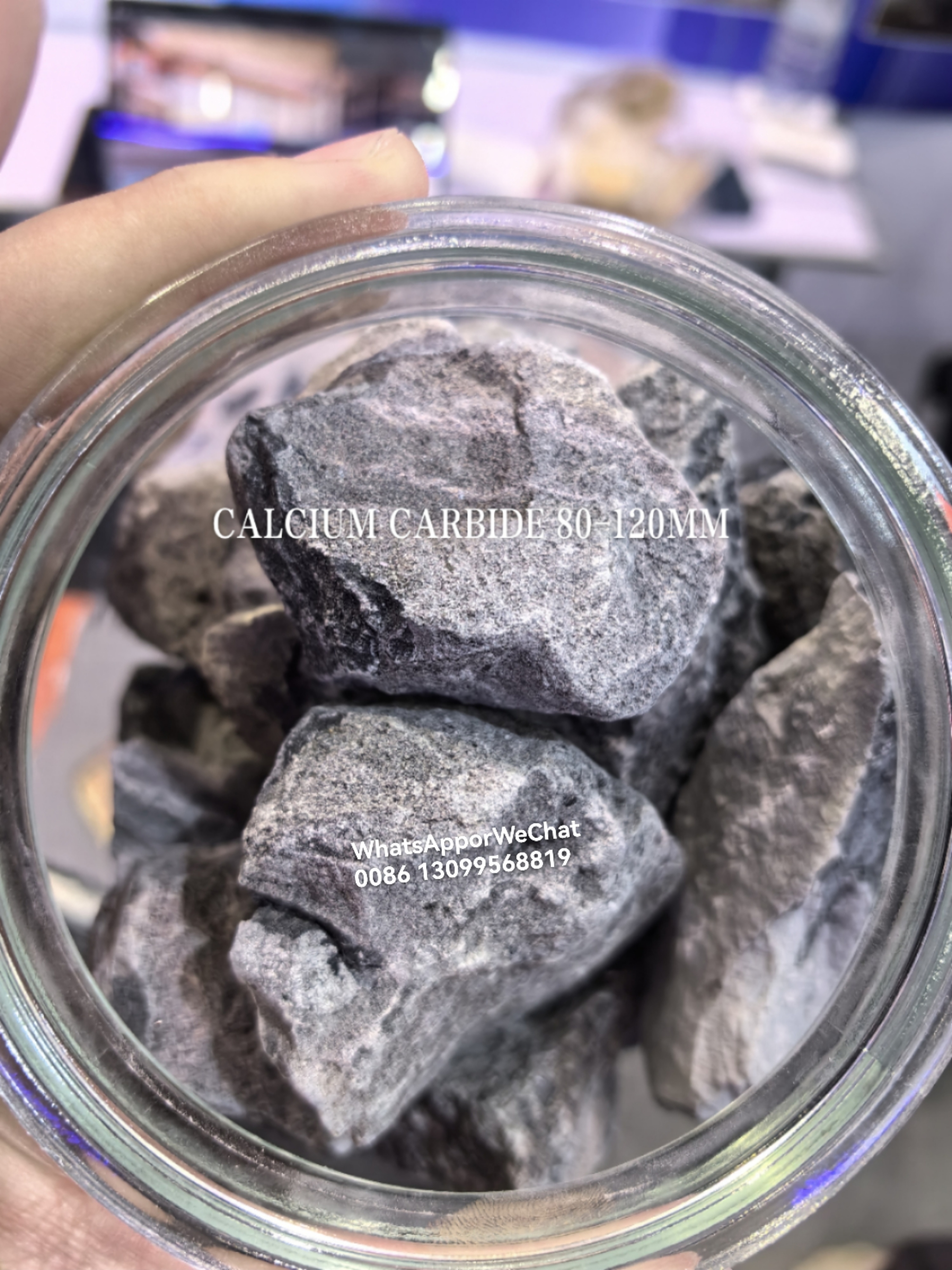
Calcium carbide is a chemical compound formed by the reaction of calcium and carbon. It is primarily known for its ability to produce acetylene gas when it reacts with water. This property has made it crucial in several applications, particularly in the metallurgical sector. Its production involves heating lime and carbon in an electric arc furnace, leading to a high-purity product used in various industrial applications.
The Production Process of Calcium Carbide
The manufacturing process of calcium carbide involves several steps:
1. **Raw Material Preparation**: High-purity lime (calcium oxide) and carbon (in the form of petroleum coke or anthracite) are sourced.
2. **Electric Arc Furnace**: The raw materials are subjected to high temperatures in an electric arc furnace, where they react to form calcium carbide and carbon monoxide.
3. **Cooling and Crushing**: The product is cooled and then crushed into various sizes for different applications.
4. **Storage and Shipping**: Finally, the calcium carbide is stored in moisture-proof containers to prevent unwanted reactions.
The Applications of Calcium Carbide in Metallurgy
Calcium carbide's versatility enables its use in various metallurgical applications. Some of the most significant uses include:
1. Steelmaking
Calcium carbide is widely utilized in the steelmaking process. It serves as a powerful desulfurizing agent, helping to remove impurities such as sulfur from molten iron. By introducing calcium carbide, we can enhance the quality of steel, making it stronger and more durable. This improvement is particularly vital in applications where strength is paramount, such as in construction and automotive manufacturing.
2. Production of Acetylene
As mentioned earlier, calcium carbide reacts with water to produce acetylene gas. This gas is crucial for various metallurgical processes, including welding and cutting metals. The high flame temperature of acetylene makes it an excellent choice for precision metalworking tasks, allowing for more efficient and cleaner cuts.
3. Calcium-based Fluxing Agents
Calcium carbide is often used as a fluxing agent in metallurgical processes. Fluxes are substances that help remove impurities and lower the melting point of metals, facilitating easier processing. By using calcium carbide as a flux, manufacturers can improve the flow of molten metal, reduce energy consumption, and enhance the overall efficiency of their operations.
4. Production of Calcium Cyanamide
In addition to its direct applications in metallurgy, calcium carbide is also used to produce calcium cyanamide. This compound is vital in the production of fertilizers and various chemicals, showcasing the complex interconnections between calcium carbide and different industrial processes.
Benefits of Using Calcium Carbide in Metallurgical Applications
The utilization of calcium carbide in metallurgy offers several advantages that contribute to improved productivity and efficiency. Some key benefits include:
1. Enhanced Metal Quality
By effectively removing impurities like sulfur and phosphorus from molten metals, calcium carbide helps improve the overall quality of steel and other alloys. This leads to enhanced mechanical properties and better performance in end-use applications.
2. Cost-Effectiveness
The use of calcium carbide in steelmaking and other metallurgical processes can reduce costs associated with raw materials and energy consumption. Its ability to act as a powerful fluxing agent means that less energy is required to achieve the desired melting and processing temperatures.
3. Increased Production Efficiency
Incorporating calcium carbide into metallurgical applications can lead to shorter processing times and reduced waste. The improved flow of molten metals enables quicker casting and shaping, contributing to overall operational efficiency.
4. Environmental Benefits
Calcium carbide can help reduce the environmental impact of metallurgical processes. Its use as a desulfurizing agent minimizes harmful emissions, and its role as a flux can lead to lower energy consumption.
Innovations in Calcium Carbide Applications
As industries evolve, so do the applications of calcium carbide. Recent innovations are pushing the boundaries of how this compound is used in metallurgical and related processes.
1. Advanced Welding Techniques
New welding technologies are harnessing the power of acetylene produced from calcium carbide, enabling faster and more efficient welding processes. These technologies are particularly beneficial in sectors that require high precision and quality, such as aerospace and automotive manufacturing.
2. Sustainable Practices
With the growing emphasis on sustainability, researchers are exploring ways to use calcium carbide in more eco-friendly processes. This includes developing techniques to recycle calcium carbide waste and reduce its environmental footprint.
3. Improved Chemical Production
Innovation in the production of calcium cyanamide and other calcium-based chemicals is ongoing, with a focus on optimizing processes for better yield and lower costs. This evolution reflects the interconnectedness of calcium carbide with various chemical and agricultural applications.
Challenges and Considerations in Calcium Carbide Use
While calcium carbide presents numerous advantages, there are also challenges to consider.
1. Safety Concerns
Calcium carbide is reactive and can pose safety risks if not handled properly. Its reaction with water can release acetylene gas, which is flammable and potentially hazardous. Strict safety protocols must be implemented in industrial settings to mitigate these risks.
2. Market Volatility
The global market for calcium carbide can be influenced by fluctuations in raw material prices and demand. This volatility can impact production costs and availability, making it essential for companies to adopt strategic sourcing and inventory management practices.
Future Prospects for Calcium Carbide in Metallurgy
The future of calcium carbide in metallurgical applications looks promising. Continued advancements in technology and a growing focus on sustainability are likely to drive innovative uses for this compound. As industries seek more efficient and environmentally friendly processes, calcium carbide is poised to play a crucial role in shaping the future of metallurgy.
FAQs about Calcium Carbide in Metallurgical Applications
1. What is calcium carbide primarily used for in metallurgy?
Calcium carbide is primarily used as a desulfurizing agent in steelmaking and as a source of acetylene gas for welding and cutting processes.
2. How does calcium carbide improve steel quality?
By removing impurities such as sulfur and phosphorus from molten iron, calcium carbide enhances the strength and durability of steel.
3. Is calcium carbide safe to handle?
While calcium carbide can be safe when handled properly, it is reactive and can produce flammable acetylene gas when exposed to moisture. Appropriate safety measures should be in place.
4. Can calcium carbide be used in sustainable practices?
Yes, researchers are exploring eco-friendly practices related to calcium carbide, including recycling and optimizing its use in various industrial processes.
5. What are the economic benefits of using calcium carbide in metallurgy?
Using calcium carbide can lead to cost savings in raw materials and energy consumption, increased production efficiency, and enhanced product quality.
Conclusion
Calcium carbide plays an essential role in the metallurgical industry, offering numerous benefits and applications that significantly enhance the quality and efficiency of metal production. From its use in steelmaking and welding to its contributions to sustainable practices, calcium carbide is more than just a chemical compound; it is a vital component in the ongoing evolution of metallurgy. As industries continue to innovate and seek environmentally friendly solutions, calcium carbide will undoubtedly remain at the forefront of metallurgical advancements, driving progress and shaping the future of non-metallic minerals.
News Hotspot



Our Main Products
Can't find the service you're looking for? Contact us!
To inquire about our products, please leave your email to us and we will contact you within 24 hours.