




China Calcium Calcium Product Provider
Understanding Calcium Carbide: Characteristics and Uses of 25-50mm Granules
Release Time:
2024-11-05
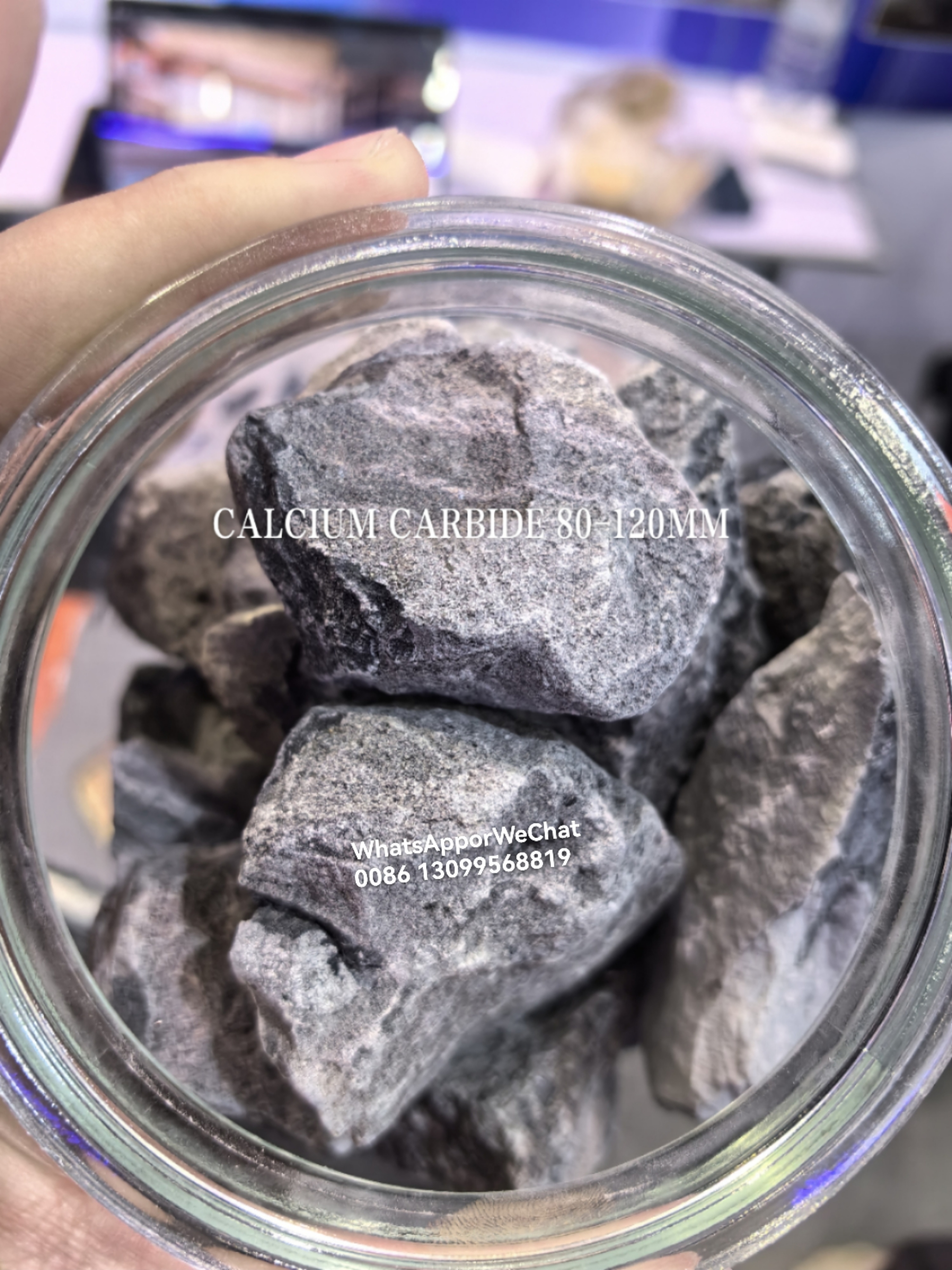
Calcium carbide (CaC2) is a chemical compound that has gained substantial attention due to its versatile applications, particularly in the metallurgy and energy sectors. The 25-50mm granules of calcium carbide are particularly sought after for their efficiency and effectiveness in various processes. One of the primary applications of calcium carbide is in the production of acetylene gas, which is
One of the primary applications of calcium carbide is in the production of acetylene gas, which is generated when calcium carbide reacts with water. This gas is widely used in welding and cutting applications due to its high flame temperature and efficiency. The size of calcium carbide granules plays a vital role in the reaction rate; larger granules, such as those in the 25-50mm range, can offer controlled reactions, reducing the risk of excessive heat and ensuring safety during operations.
In addition to its role in gas production, calcium carbide is essential in the manufacture of calcium cyanamide, a compound used as a fertilizer and in the production of various chemicals. The larger granule size can facilitate easier handling and transportation, making it a preferred choice for many industrial applications.
Furthermore, calcium carbide is utilized in the production of various metal alloys. The controlled addition of calcium carbide can enhance the properties of metals, improving their mechanical strength and durability. This makes it an invaluable component in industries that require high-quality metal products.
When handling calcium carbide, particularly in the 25-50mm range, it is crucial to adhere to safety guidelines. Calcium carbide is reactive, especially with moisture, and can produce flammable acetylene gas. Therefore, proper storage in a dry environment and the use of appropriate protective equipment are essential to prevent accidents.
In summary, the 25-50mm granules of calcium carbide are vital in multiple industrial processes, from producing acetylene gas for welding to enhancing metal alloys. Understanding the properties and applications of calcium carbide can help professionals in the metallurgy and energy sectors make informed decisions about their usage, ensuring efficiency and safety in their operations. Emphasizing proper handling and storage practices will further maximize the benefits of this versatile chemical compound in industrial applications.
News Hotspot



Our Main Products
Can't find the service you're looking for? Contact us!
To inquire about our products, please leave your email to us and we will contact you within 24 hours.