




China Calcium Calcium Product Provider
Understanding Calcium Carbide and Its Role in Acetylene Production
Release Time:
2024-10-28
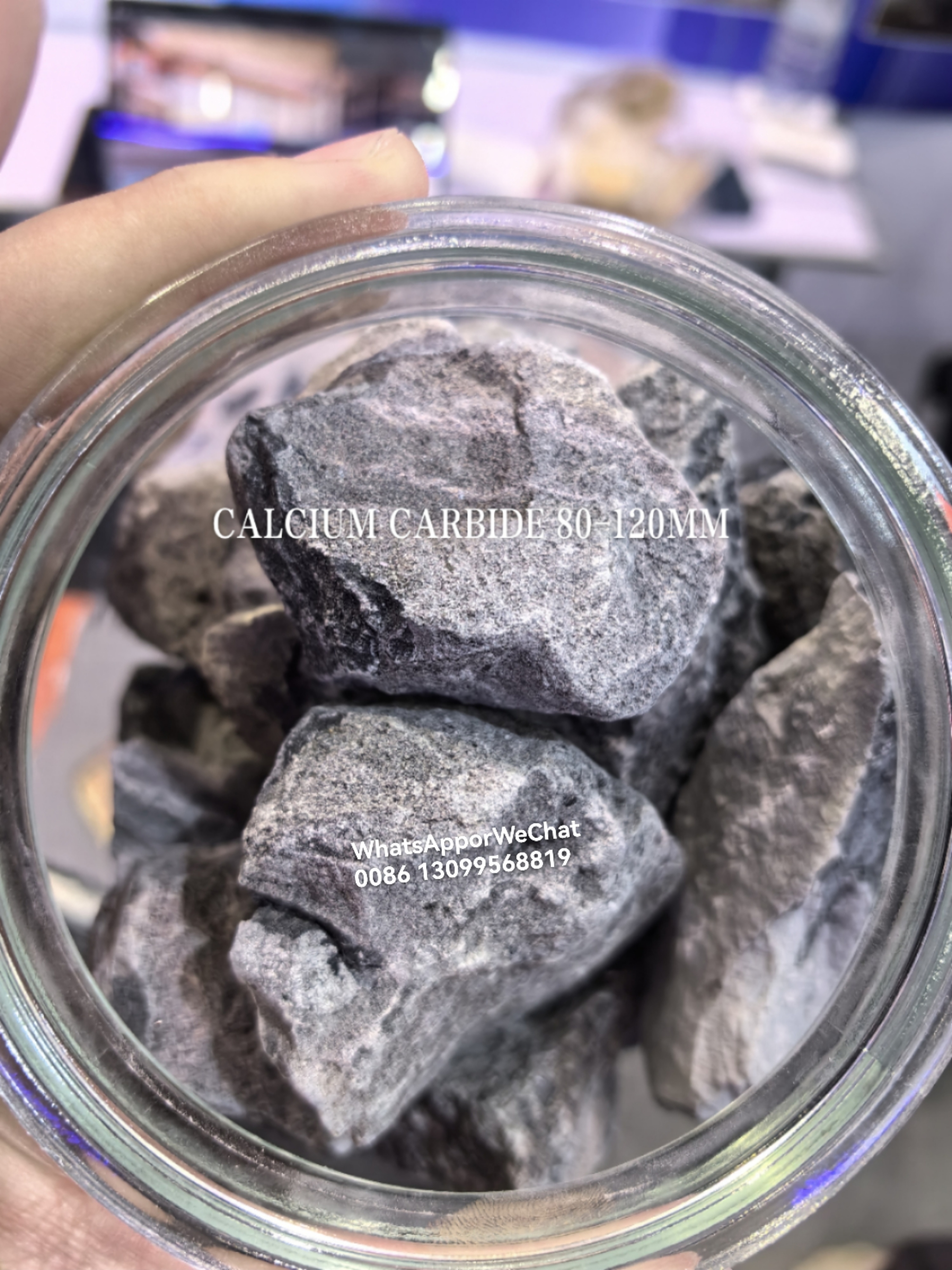
Calcium carbide, known chemically as CaC₂, is a crucial compound widely used in the production of acetylene, a versatile gas with numerous applications. When calcium carbide reacts with water, it generates acetylene gas, which is highly flammable and serves as a vital building block in organic synthesis, welding, and cutting processes. The manufacturing of calcium carbide involves the heating of l
Calcium carbide, known chemically as CaC₂, is a crucial compound widely used in the production of acetylene, a versatile gas with numerous applications. When calcium carbide reacts with water, it generates acetylene gas, which is highly flammable and serves as a vital building block in organic synthesis, welding, and cutting processes.
The manufacturing of calcium carbide involves the heating of limestone and carbon in an electric arc furnace. This high-temperature process allows for the efficient production of calcium carbide, which is then cooled and granulated for various industrial applications. The purity and quality of the calcium carbide produced are critical, as impurities can significantly affect the yield of acetylene during its generation.
Acetylene itself is an important fuel and chemical feedstock. In welding and cutting applications, the high flame temperature produced by burning acetylene with oxygen makes it a popular choice among metalworkers. Furthermore, in the chemical industry, acetylene is a precursor to several valuable compounds, including vinyl chloride and various plastics, thus playing a vital role in manufacturing.
In addition to its industrial applications, calcium carbide has environmental implications. When it comes into contact with water, the reaction releases acetylene along with calcium hydroxide, which is a solid by-product. Proper handling and disposal of calcium carbide and its by-products are essential to minimize environmental impact and ensure safety in industrial settings.
In summary, calcium carbide is not just a chemical compound; it is a key player in producing acetylene, with far-reaching implications in metallurgy and energy. Understanding its properties, production methods, and applications can provide valuable insights into its importance in modern industry. As a critical component in various processes, ensuring the quality and safe handling of calcium carbide is vital for optimal performance and sustainability in its usage.
News Hotspot



Our Main Products
Can't find the service you're looking for? Contact us!
To inquire about our products, please leave your email to us and we will contact you within 24 hours.