




China Calcium Calcium Product Provider
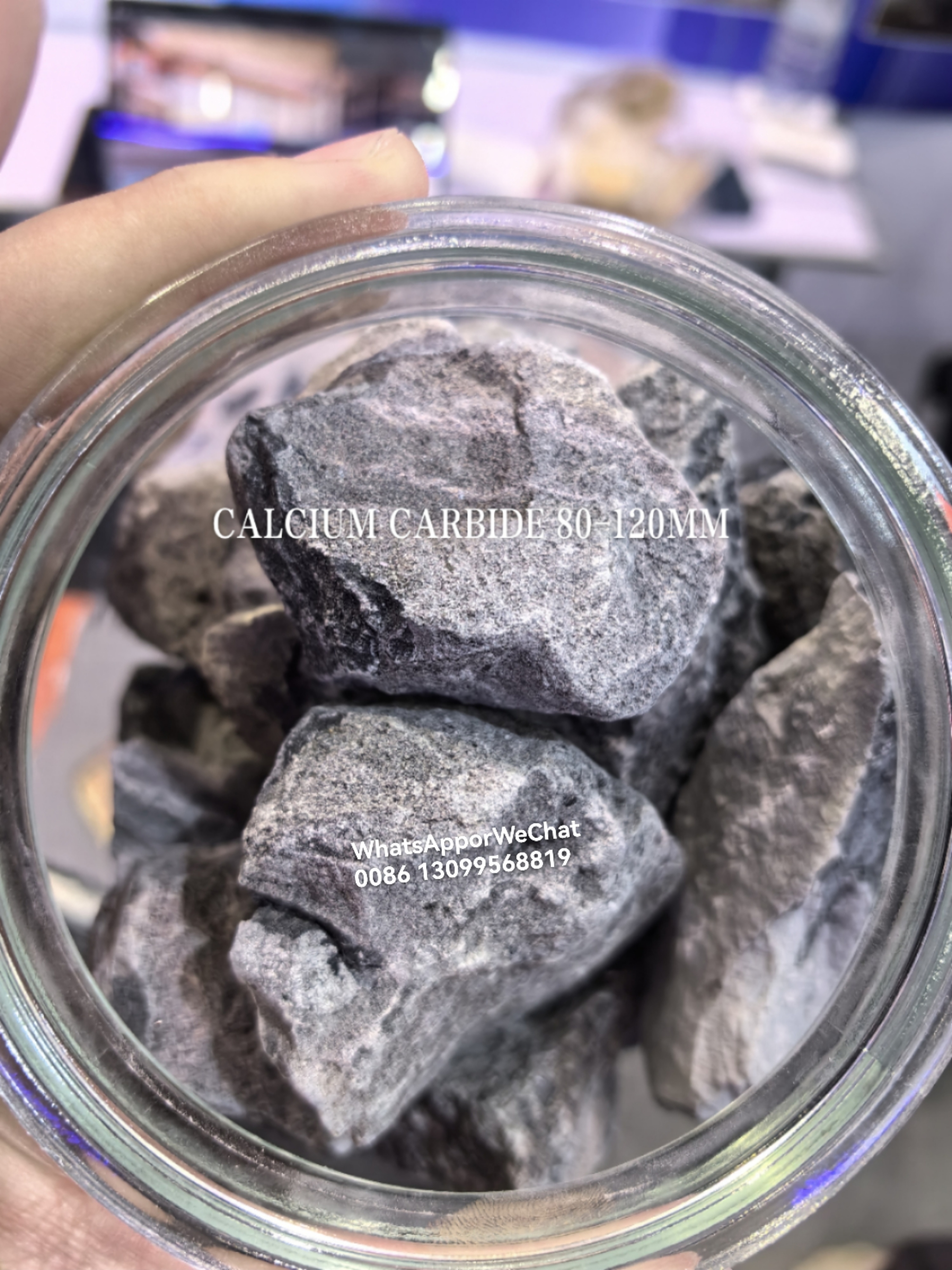
Understanding Calcium Carbide: The Importance of 80-120mm Size in Metallurgical Applications
Release Time:
2024-10-04
Calcium carbide, a chemical compound with the formula CaC₂, is primarily known for its role in the production of acetylene gas, which has myriad applications in industries ranging from welding to chemical synthesis. However, in the context of metallurgical and non-metallic mineral sectors, calcium carbide, particularly in the size range of 80-120mm, assumes a critical role. One of the key features
One of the key features of calcium carbide in this size range is its enhanced reactivity. Larger pieces of calcium carbide, such as those measuring between 80mm and 120mm, are particularly advantageous in various industrial processes because they provide a controlled reaction rate when mixed with water. This controlled reaction is essential not only for generating acetylene safely but also for ensuring efficient utilization in metallurgical processes. In larger pieces, the rate of reaction can be moderated, allowing industries to manage their processes more effectively and minimize risks associated with rapid gas formation.
Furthermore, calcium carbide in the 80-120mm size range is also used in the production of calcium cyanamide, a valuable nitrogen fertilizer. The controlled nature of the reaction with nitrogen at elevated temperatures makes the size of the starting material an important factor in producing high-quality calcium cyanamide. Larger pieces help in achieving better thermal efficiency and product yield, making them preferable in agricultural and chemical production.
Another critical aspect of calcium carbide in this size range pertains to its storage and transportation. The larger size generally means that the material is less prone to dusting and degradation during handling. This is particularly vital for industries that require bulk quantities of calcium carbide, as it helps in maintaining product integrity and safety during logistics operations.
In addition, the use of calcium carbide in metallurgical applications extends to its role in desulfurization processes. This size range allows for efficient sulfur removal from molten metals, ensuring the production of high-quality alloys. The physical characteristics of the 80-120mm calcium carbide facilitate its interaction with sulfur compounds, providing industries with an effective solution to enhance metallurgical output.
In summary, calcium carbide sized between 80-120mm plays a significant role in various metallurgical applications. Its enhanced reactivity, importance in fertilizer production, ease of handling, and its effectiveness in desulfurization processes demonstrate the value of this specific size range in industrial contexts. Understanding these properties can help industries make informed decisions regarding the use of calcium carbide, ultimately optimizing their processes and outputs.
News Hotspot



Our Main Products
Can't find the service you're looking for? Contact us!
To inquire about our products, please leave your email to us and we will contact you within 24 hours.