




China Calcium Calcium Product Provider
Unveiling the Eco-Friendly Innovations in Calcium Carbide Manufacturing
Release Time:
2024-08-21
Unveiling the Eco-Friendly Innovations in Calcium Carbide Manufacturing Table of Contents Introduction to Eco-Friendly Innovations in Calcium Carbide Manufacturing Understanding Calcium Carbide: A Crucial Industrial Chemical Traditional Manufacturing Methods of Calcium Carbide Environmental Challenges in Conventional Calcium Carbide Production Eco-Friendly Innovations in Calcium Carbide
Unveiling the Eco-Friendly Innovations in Calcium Carbide Manufacturing
Table of Contents
- Introduction to Eco-Friendly Innovations in Calcium Carbide Manufacturing
- Understanding Calcium Carbide: A Crucial Industrial Chemical
- Traditional Manufacturing Methods of Calcium Carbide
- Environmental Challenges in Conventional Calcium Carbide Production
- Eco-Friendly Innovations in Calcium Carbide Manufacturing
- Advanced Technologies Revolutionizing Calcium Carbide Production
- Sustainable Practices in Calcium Carbide Manufacturing
- Future Trends in Eco-Friendly Calcium Carbide Production
- Conclusion
- Frequently Asked Questions
Introduction to Eco-Friendly Innovations in Calcium Carbide Manufacturing
The manufacturing of calcium carbide plays a vital role in several industries, including steel production, chemical synthesis, and even agriculture. However, the conventional methods of producing calcium carbide have often raised environmental concerns. In this article, we delve into the recent innovations aimed at making calcium carbide manufacturing more eco-friendly. From reducing emissions to utilizing sustainable resources, the industry is undergoing a significant transformation.
Understanding Calcium Carbide: A Crucial Industrial Chemical
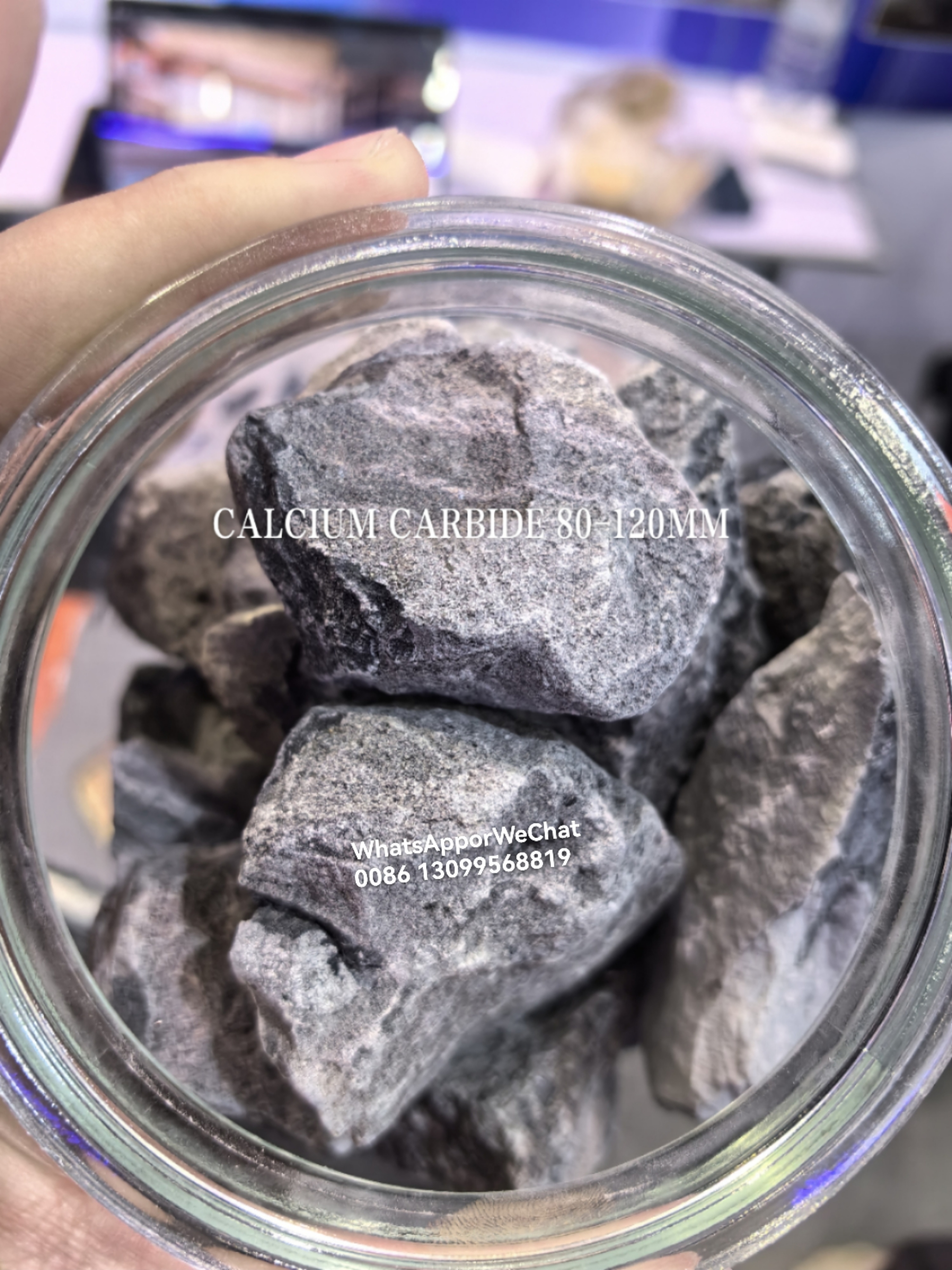
Calcium carbide is a yellowish or grayish-black solid compound, primarily composed of calcium and carbon. Its primary use is in the production of acetylene gas, which is crucial for welding and cutting metals. Additionally, calcium carbide is employed in various chemical reactions, including the synthesis of different organic compounds.
Applications of Calcium Carbide
1. **Acetylene Production**: The most notable application of calcium carbide is in the production of acetylene gas.
2. **Steel Manufacturing**: Calcium carbide is used as a reducing agent in steel manufacturing.
3. **Agricultural Use**: In agriculture, it helps in the production of calcium cyanamide, a nitrogen fertilizer.
4. **Chemical Synthesis**: It acts as a precursor in creating several chemicals, including calcium hydroxide and calcium carbide-derived compounds.
Traditional Manufacturing Methods of Calcium Carbide
Historically, calcium carbide production involves heating a mixture of limestone (calcium carbonate) and carbon (usually coke) in an electric arc furnace. This method, while effective, has significant drawbacks, primarily concerning energy consumption and emissions.
The Process
1. **Raw Material Preparation**: Limestone and coke are crushed and mixed in a specific ratio.
2. **Heating**: The mixture is placed in an electric arc furnace and heated to temperatures exceeding 2000°C.
3. **Chemical Reaction**: At these high temperatures, calcium reacts with carbon to form calcium carbide and carbon monoxide.
4. **Cooling and Collection**: The resulting calcium carbide is cooled and collected for further processing.
Environmental Challenges in Conventional Calcium Carbide Production
The conventional manufacturing processes for calcium carbide are energy-intensive and produce significant environmental pollution, including:
1. **High Energy Consumption**: The production process requires substantial electrical energy, contributing to a high carbon footprint.
2. **Emissions of Greenhouse Gases**: The combustion of carbon during production releases carbon monoxide and carbon dioxide into the atmosphere.
3. **Waste Generation**: The process can generate solid and liquid wastes that pose disposal challenges.
These challenges have prompted the industry to explore more sustainable manufacturing practices.
Eco-Friendly Innovations in Calcium Carbide Manufacturing
The quest for sustainability has led to several innovative approaches in the production of calcium carbide. These advancements aim to minimize environmental impact while maintaining efficiency.
Utilization of Alternative Raw Materials
One of the most significant innovations is the exploration of alternative raw materials. Research is underway to substitute traditional limestone and coke with more sustainable sources, such as:
- **Biomass**: Utilizing agricultural waste or other biomass materials can reduce reliance on fossil fuels.
- **Recycled Carbon**: Incorporating recycled carbon sources can minimize the carbon footprint associated with extraction and processing.
Energy Efficiency Improvements
Advancements in energy efficiency are also critical. Innovations such as:
- **High-Temperature Plasma Technology**: This technology can significantly reduce energy consumption by allowing reactions to occur at lower temperatures.
- **Waste Heat Recovery Systems**: Implementing systems to capture and reuse heat generated during the production process can further enhance efficiency.
Advanced Technologies Revolutionizing Calcium Carbide Production
Several cutting-edge technologies are paving the way for more sustainable calcium carbide manufacturing processes:
Hybrid Electric Arc Furnaces
These furnaces combine traditional electric arc technology with alternative energy sources, such as solar or wind power. This hybrid approach reduces reliance on conventional electricity, minimizing the overall carbon footprint.
Carbon Capture and Storage (CCS)
CCS technologies are being integrated into calcium carbide production to capture carbon emissions before they are released into the atmosphere. This technique not only helps reduce greenhouse gas emissions but also provides opportunities for utilizing captured carbon in other industrial processes.
Sustainable Practices in Calcium Carbide Manufacturing
In addition to technological advancements, implementing sustainable practices is essential for eco-friendly calcium carbide production.
Life Cycle Assessment (LCA)
Conducting life cycle assessments helps determine the environmental impact of calcium carbide from raw material extraction to end-of-life disposal. This comprehensive evaluation aids in identifying areas for improvement and optimizing processes for sustainability.
Certification and Compliance
Adhering to international environmental standards and certifications, such as ISO 14001, demonstrates a commitment to sustainable manufacturing practices and enhances a company's reputation in the marketplace.
Future Trends in Eco-Friendly Calcium Carbide Production
As the demand for calcium carbide continues to grow, future trends indicate a shift towards even more sustainable practices:
Integration of Artificial Intelligence (AI)
AI and machine learning technologies are likely to play a significant role in optimizing production processes. By analyzing data in real-time, AI can help manufacturers adjust parameters to maximize efficiency and minimize waste.
Collaborative Industry Efforts
Collaborations between manufacturers, researchers, and environmental organizations can lead to the development of shared best practices and innovative solutions aimed at reducing environmental impact.
Conclusion
The calcium carbide manufacturing industry is on the brink of a transformative shift towards eco-friendly practices and technologies. By embracing innovative approaches, utilizing alternative raw materials, and implementing advanced technologies, manufacturers can significantly reduce their environmental footprint. As awareness of sustainability grows, the industry can expect to see increased demand for calcium carbide produced through these greener methods. The commitment to eco-friendly innovations not only supports environmental preservation but also positions manufacturers favorably in an increasingly sustainability-conscious market.
Frequently Asked Questions
1. What is calcium carbide used for?
Calcium carbide is primarily used for producing acetylene gas, which is essential in welding and cutting metals. It also finds applications in steel manufacturing and agriculture.
2. How is calcium carbide produced sustainably?
Sustainable production methods include using alternative raw materials, improving energy efficiency, and implementing carbon capture technologies.
3. What are the environmental impacts of traditional calcium carbide production?
Traditional production methods are energy-intensive and emit significant greenhouse gases, contributing to climate change and environmental degradation.
4. What role does technology play in eco-friendly calcium carbide manufacturing?
Advanced technologies, such as hybrid electric arc furnaces and AI optimization, enhance energy efficiency and reduce emissions during calcium carbide production.
5. Why is sustainability important in the calcium carbide industry?
Sustainability is crucial for reducing the environmental impact of manufacturing processes, meeting regulatory requirements, and addressing consumer demand for greener products.
By focusing on these innovations and practices, the calcium carbide industry can not only mitigate its environmental impact but also capitalize on the growing demand for sustainable industrial chemicals.
News Hotspot



Our Main Products
Can't find the service you're looking for? Contact us!
To inquire about our products, please leave your email to us and we will contact you within 24 hours.