




China Calcium Calcium Product Provider
Exploring the Versatile Applications of Calcium Carbide in the Non-Metallic Mineral Industry
Release Time:
2024-07-28
Exploring the Versatile Applications of Calcium Carbide in the Non-Metallic Mineral Industry Table of Contents Introduction to Calcium Carbide and Its Importance Chemical Properties of Calcium Carbide Primary Applications of Calcium Carbide 1.1 Acetylene Production 1.2 Steelmaking and Metallurgical Processes 1.3 Desulfurization Agent in S
Exploring the Versatile Applications of Calcium Carbide in the Non-Metallic Mineral Industry
Table of Contents
- Introduction to Calcium Carbide and Its Importance
- Chemical Properties of Calcium Carbide
- Primary Applications of Calcium Carbide
- 1.1 Acetylene Production
- 1.2 Steelmaking and Metallurgical Processes
- 1.3 Desulfurization Agent in Steel Production
- 1.4 Fertilizers and Agriculture
- 1.5 Other Industrial Applications
- Environmental Impact of Calcium Carbide Usage
- Safety Considerations in Calcium Carbide Handling
- Future Trends in Calcium Carbide Applications
- Conclusion
- FAQs
Introduction to Calcium Carbide and Its Importance
Calcium carbide, a chemical compound with the formula CaC2, plays a pivotal role in the non-metallic mineral industry. Its applications stretch far and wide, demonstrating its significance in various manufacturing processes. As we explore the versatility of calcium carbide, we will uncover its numerous uses, benefits, and impact on the industry.
Chemical Properties of Calcium Carbide
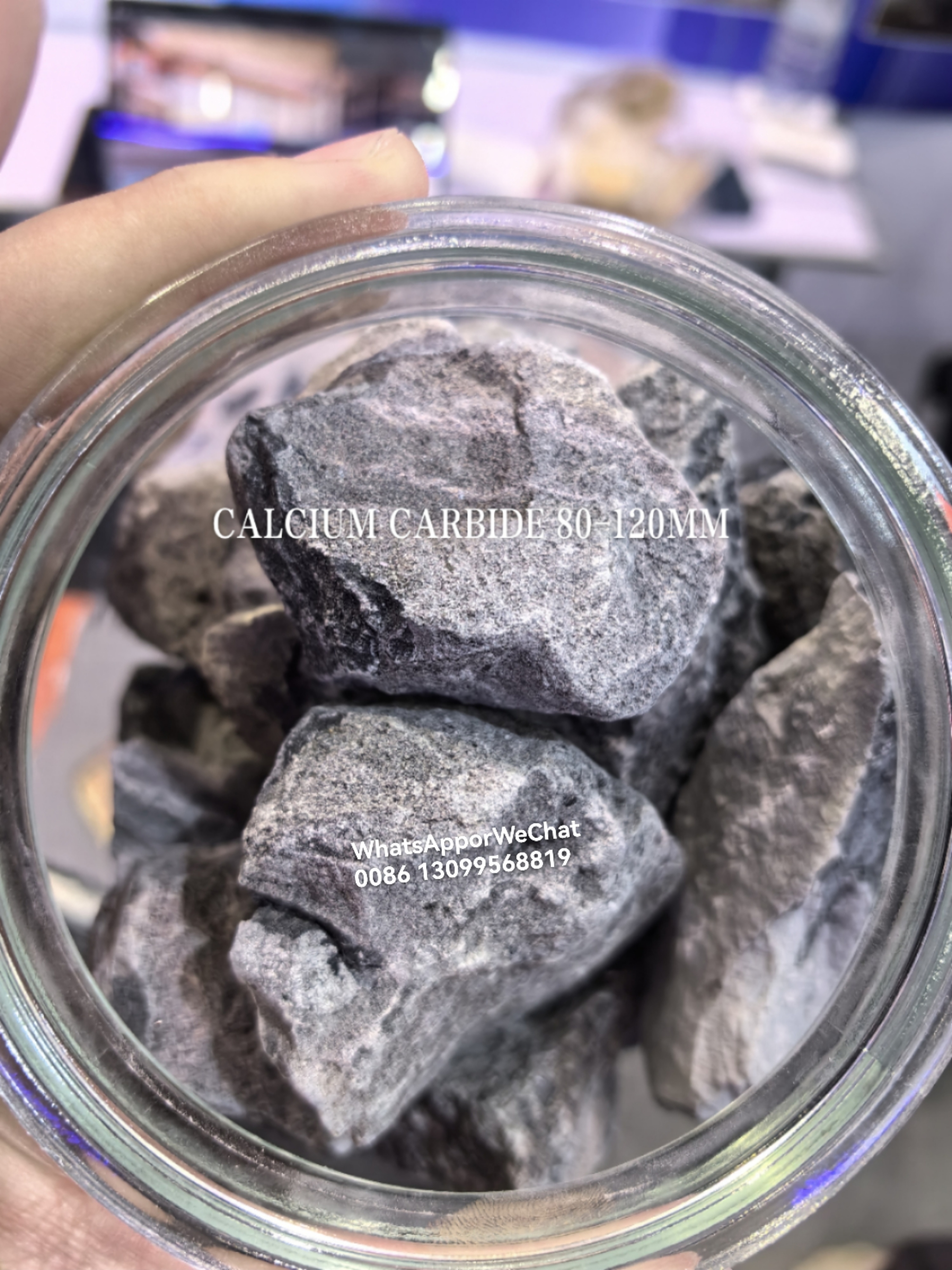
Calcium carbide is a grayish-black solid that is primarily composed of calcium and carbon. It possesses unique properties that make it an effective reagent in several industrial applications. The compound reacts vigorously with water, producing acetylene gas (C2H2) and releasing heat. This reaction is not only vital for acetylene production but also showcases calcium carbide's role as a chemical intermediate in various processes.
Additionally, calcium carbide has a high melting point and is stable under normal conditions, making it an effective material for various industrial uses. Its reactivity and ability to release acetylene gas upon contact with water make it an essential compound in industries ranging from metallurgy to agriculture.
Primary Applications of Calcium Carbide
Calcium carbide serves multiple functions across various sectors. Below, we detail some of its primary applications:
1.1 Acetylene Production
One of the most recognized uses of calcium carbide is in the production of acetylene gas. This process involves the reaction of calcium carbide with water, resulting in acetylene and calcium hydroxide. Acetylene is a key raw material in the synthesis of organic chemicals and acts as a fuel for welding and cutting metals. Its high flame temperature and versatility make it indispensable in fabrication and construction industries.
1.2 Steelmaking and Metallurgical Processes
In the metallurgical sector, calcium carbide plays a crucial role in steelmaking. It serves as a deoxidizing agent, removing excess oxygen from molten metal. This process enhances the quality and durability of steel products while optimizing production efficiency. Furthermore, calcium carbide is used to produce calcium metal, which is vital in various metallurgical applications.
1.3 Desulfurization Agent in Steel Production
Another significant application of calcium carbide is as a desulfurization agent in steel production. The presence of sulfur in steel can lead to brittleness and reduced strength. By adding calcium carbide during the steelmaking process, manufacturers can effectively reduce sulfur content, improving the overall quality of the steel.
1.4 Fertilizers and Agriculture
Calcium carbide is also gaining traction in the agricultural sector as a source of calcium and carbon in fertilizers. It is effective in increasing soil fertility, promoting plant growth, and enhancing crop yields. The compound’s ability to release acetylene gas in the soil stimulates the growth of beneficial microorganisms, further enriching the soil ecosystem.
1.5 Other Industrial Applications
Beyond the aforementioned uses, calcium carbide finds applications in various fields, including:
- **Mining**: Used in the production of calcium cyanamide, which acts as a fertilizer and herbicide.
- **Chemical Manufacturing**: Acts as an intermediate in producing several organic compounds.
- **Lighting Devices**: Historically used in carbide lamps, which rely on the reaction of calcium carbide with water to produce acetylene for illumination.
Environmental Impact of Calcium Carbide Usage
The environmental impact of calcium carbide usage is a multifaceted issue. On one hand, calcium carbide can contribute to environmental pollution when mishandled or improperly disposed of. The byproducts of its reactions can release harmful chemicals if not managed correctly. Companies must adhere to stringent regulations and standard practices to mitigate environmental risks.
On the other hand, its role in producing acetylene for cleaner energy applications, such as welding and cutting, highlights its potential as a more sustainable choice in specific industrial processes. Moreover, when used in agriculture, it can enhance soil health and productivity, aligning with eco-friendly farming practices.
Safety Considerations in Calcium Carbide Handling
Handling calcium carbide requires strict adherence to safety protocols to prevent accidents. The compound is highly reactive, particularly when exposed to moisture. Therefore, it must be stored in a cool, dry place and kept away from water sources. Recommended safety measures include:
- **Protective Gear**: Use gloves, goggles, and protective clothing when handling calcium carbide.
- **Proper Storage**: Store in airtight containers to prevent exposure to moisture.
- **Emergency Procedures**: Be equipped with appropriate emergency measures in case of accidental exposure or reactions.
Future Trends in Calcium Carbide Applications
As industries evolve, the applications of calcium carbide are likely to expand. Technological advancements in production techniques may lead to more efficient methods of utilizing calcium carbide, minimizing waste, and enhancing sustainability. Additionally, research into its role in renewable energy sources could potentially open new avenues for its application in eco-friendly technologies.
Moreover, the growing demand for high-quality steel and agricultural products will likely drive further innovations in calcium carbide applications. As industries strive for sustainability, calcium carbide's unique properties will continue to position it as a vital component across various sectors.
Conclusion
In conclusion, calcium carbide is an invaluable compound in the non-metallic mineral industry, with widespread applications ranging from acetylene production to agricultural enhancements. Its unique properties and versatility underscore its importance in various industrial processes, making it a cornerstone of modern manufacturing practices. As we look toward the future, the ongoing exploration of calcium carbide's potential applications will undoubtedly shape the landscape of several key industries.
FAQs
What is calcium carbide used for?
Calcium carbide is primarily used for producing acetylene gas, which is essential in welding and cutting metals. It's also utilized in steelmaking, agriculture, and various chemical manufacturing processes.
Is calcium carbide safe to handle?
While calcium carbide can be safely handled when proper precautions are taken, it is highly reactive, especially with moisture. Protective gear and appropriate storage conditions are essential for safety.
How does calcium carbide improve soil fertility?
Calcium carbide releases acetylene gas in the soil, which stimulates the growth of beneficial microorganisms, thereby enhancing soil health and fertility.
What are the environmental concerns associated with calcium carbide?
Improper handling and disposal of calcium carbide can lead to environmental pollution. However, its applications in cleaner energy processes can also contribute to more sustainable practices when managed correctly.
Are there any alternatives to calcium carbide in industrial applications?
While calcium carbide is unique in its properties, alternatives such as other chemical reagents or materials may be used in specific applications. However, the effectiveness and functionality of these alternatives can vary.
News Hotspot



Our Main Products
Can't find the service you're looking for? Contact us!
To inquire about our products, please leave your email to us and we will contact you within 24 hours.