




China Calcium Calcium Product Provider
Understanding the Impact of Calcium Carbide in the Electrical Stone Industry
Release Time:
2024-06-29
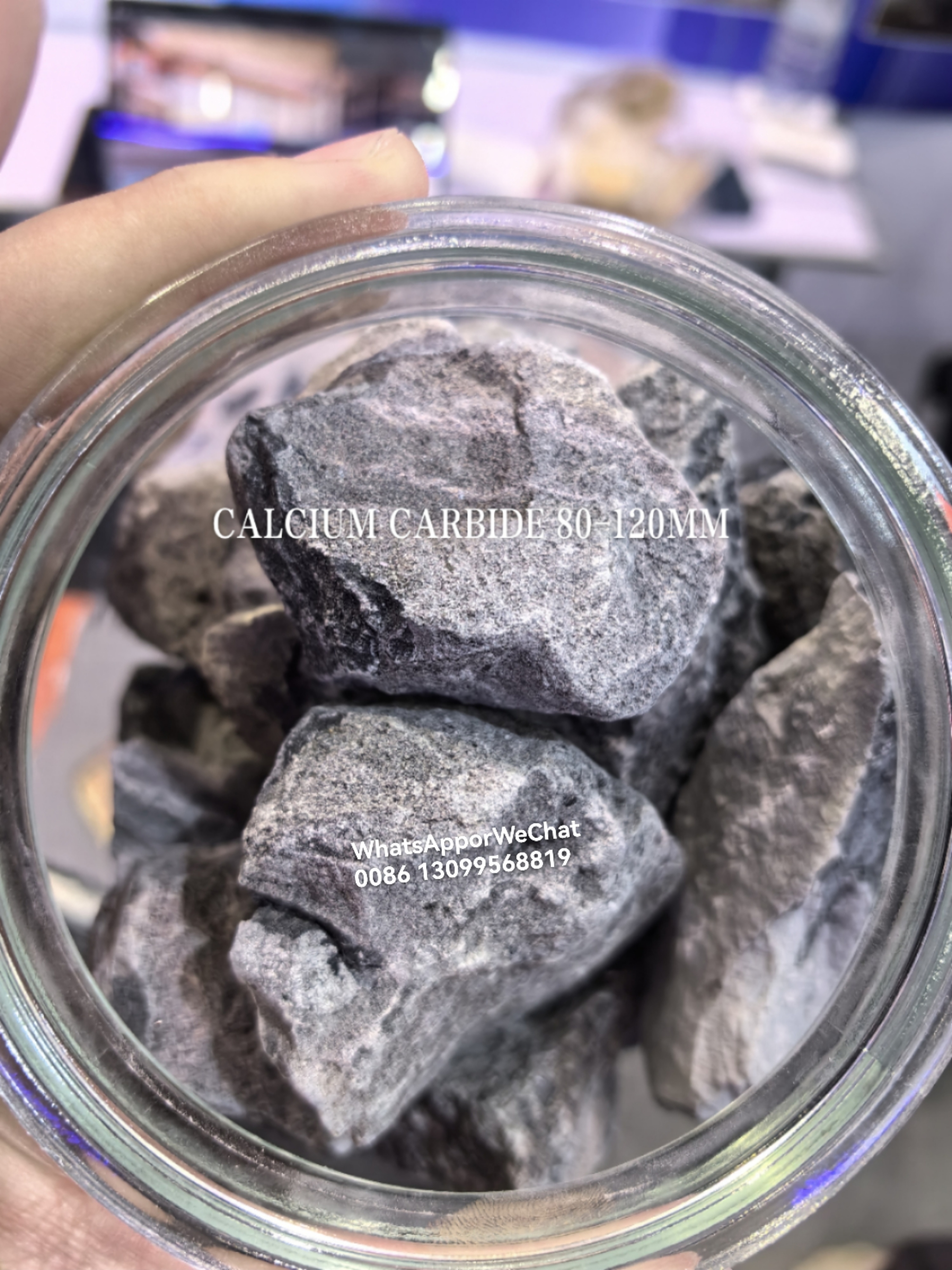
Calcium carbide plays a crucial role in the electrical stone industry, which falls under the broader category of non-metallic minerals in the metallurgy, minerals, and energy sector. This compound is widely used in various processes related to the extraction and processing of electrical stones, contributing to the efficiency and productivity of this industry. One of the key applications of calcium
One of the key applications of calcium carbide in the electrical stone industry is its role in the production of acetylene gas. By reacting calcium carbide with water, acetylene gas is generated, which is utilized in various industrial processes, including welding and cutting of metals. Additionally, calcium carbide is also used in the production of calcium cyanamide, which serves as a nitrogen fertilizer in agriculture.
Furthermore, calcium carbide can facilitate the desulfurization of metal ores in the electrical stone industry. When calcium carbide is added to molten metal, it reacts with sulfur, forming calcium sulfide and reducing the sulfur content in the metal. This process is essential for improving the quality of metal products and meeting industry standards.
In summary, calcium carbide is a versatile compound that plays a significant role in the electrical stone industry within the non-metallic minerals sector. Its applications in the production of acetylene gas, calcium cyanamide, and desulfurization of metal ores highlight its importance in enhancing efficiency, productivity, and quality in this industry. By understanding the impact of calcium carbide, industry professionals can optimize their processes and achieve better outcomes in the production of electrical stones.
News Hotspot



Our Main Products
Can't find the service you're looking for? Contact us!
To inquire about our products, please leave your email to us and we will contact you within 24 hours.