




China Calcium Calcium Product Provider
The Process of Calcium Carbide Production in the Non-Ferrous Metal Mining and Energy Industry
Release Time:
2024-06-21
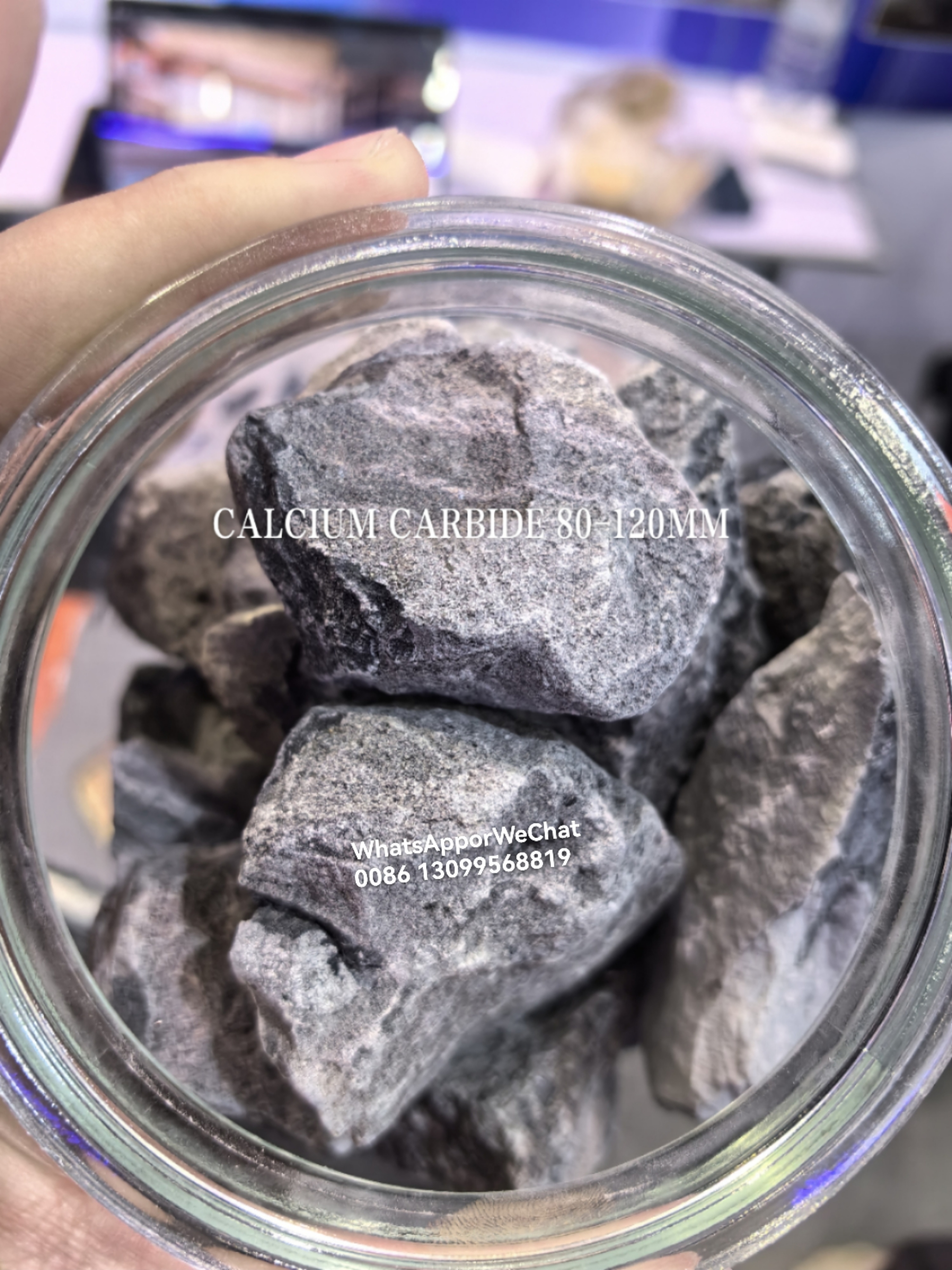
Calcium carbide is a crucial compound in the non-ferrous metal mining and energy industry, particularly in the production of acetylene gas and various chemical products. The process of calcium carbide production involves several steps to transform raw materials into the final product. Firstly, limestone and coke are heated in an electric arc furnace at temperatures exceeding 3300°C. This high-temp
Firstly, limestone and coke are heated in an electric arc furnace at temperatures exceeding 3300°C. This high-temperature reaction produces calcium carbide and carbon monoxide gas. The calcium carbide is then cooled and crushed into small pieces for further processing.
Next, the crushed calcium carbide undergoes a chemical reaction with water to produce acetylene gas and calcium hydroxide. Acetylene gas is a versatile compound used in welding, cutting, and various chemical processes. The by-product calcium hydroxide, also known as slaked lime, has many industrial applications, including water treatment and construction.
Overall, the production of calcium carbide plays a vital role in the non-ferrous metal mining and energy industry, providing essential materials for a wide range of industrial processes. Understanding the process of calcium carbide production offers valuable insights into the interconnected nature of the modern industrial world.
News Hotspot



Our Main Products
Can't find the service you're looking for? Contact us!
To inquire about our products, please leave your email to us and we will contact you within 24 hours.