




China Calcium Calcium Product Provider
Unlocking the Power: How Calcium Carbide Transforms into Acetylene Gas
Release Time:
2024-06-15
**Introduction** In the world of metallurgy, mining, and energy, the transformation of calcium carbide into acetylene gas plays a crucial role in various industrial processes. This article will delve into the intricate process of how calcium carbide unleashes its power to become acetylene gas, providing valuable insights into the fascinating world of chemical reactions and energy production. **Wha
In the world of metallurgy, mining, and energy, the transformation of calcium carbide into acetylene gas plays a crucial role in various industrial processes. This article will delve into the intricate process of how calcium carbide unleashes its power to become acetylene gas, providing valuable insights into the fascinating world of chemical reactions and energy production.
**What is Calcium Carbide?**
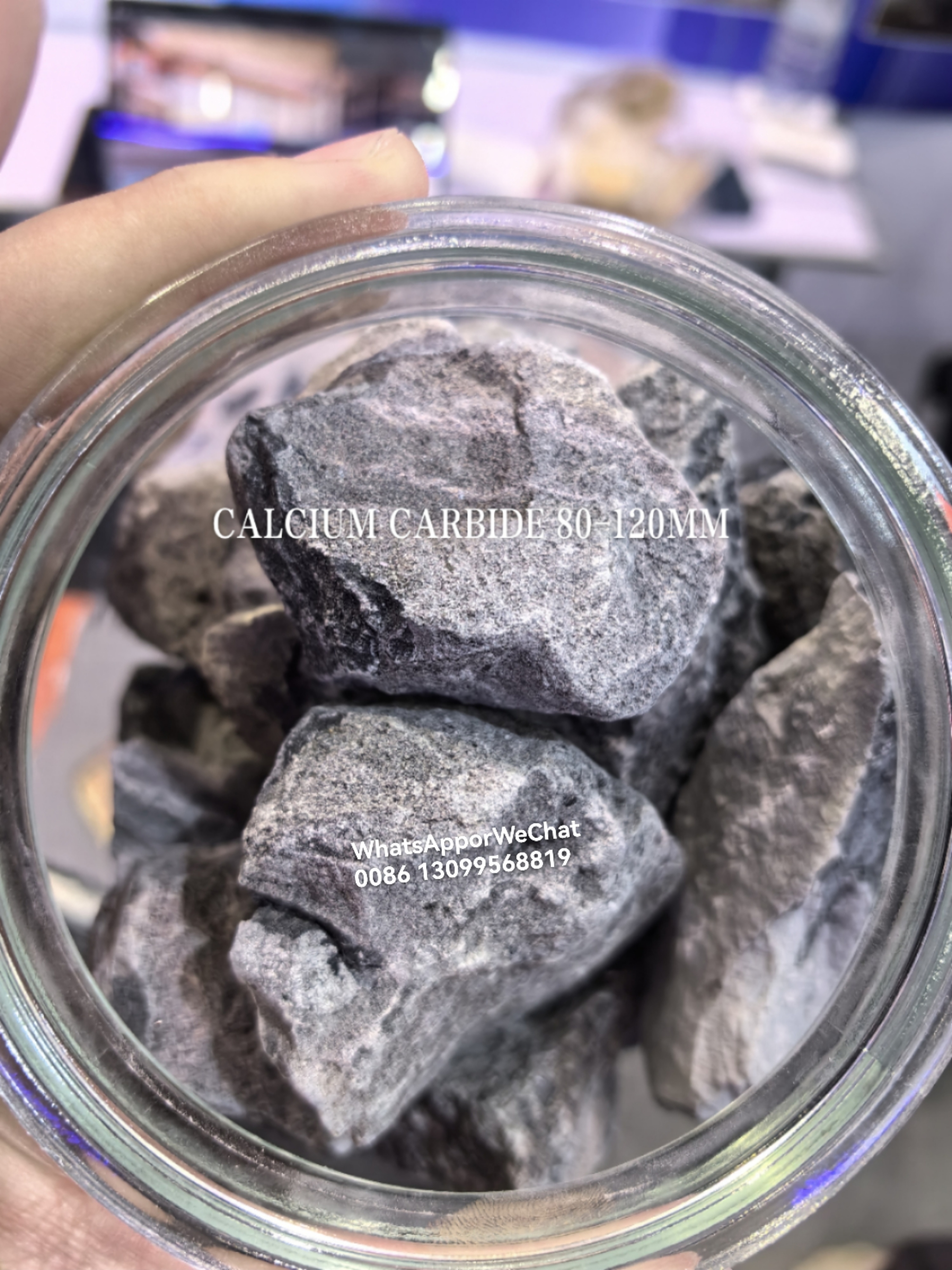
Calcium carbide is a chemical compound composed of calcium and carbon, with the formula CaC2. It is produced by heating lime and carbon together in an electric arc furnace, resulting in the formation of calcium carbide crystals. This compound has a wide range of industrial applications, including the production of acetylene gas, which is used in welding, cutting, and various chemical processes.
**The Chemical Reaction**
When calcium carbide comes into contact with water, a chemical reaction occurs, producing acetylene gas and calcium hydroxide. The reaction can be represented by the following equation:
CaC2 + 2H2O → C2H2 + Ca(OH)2
This exothermic reaction releases a significant amount of energy in the form of heat, making it a valuable source of fuel for various industrial processes.
**Industrial Applications**
Acetylene gas produced from the reaction of calcium carbide with water is widely used in the welding and cutting industry. The high temperature produced by the combustion of acetylene with oxygen allows for efficient and precise welding of metals. Additionally, acetylene is used as a precursor in the synthesis of various organic compounds and as a source of ethylene in the production of plastics.
**Safety Considerations**
While the transformation of calcium carbide into acetylene gas is a valuable process in industrial applications, it is essential to handle calcium carbide with care due to its reactive nature. Proper storage and handling procedures must be followed to prevent accidental ignition or exposure to moisture, which can lead to the release of flammable acetylene gas.
**Environmental Impact**
The production of calcium carbide and the subsequent transformation into acetylene gas can have environmental implications due to the release of carbon dioxide and other byproducts. It is essential for industries to implement sustainable practices and invest in cleaner technologies to minimize the environmental impact of these processes.
**FAQs**
1. What are the main uses of acetylene gas in industrial applications?
2. How is calcium carbide produced on an industrial scale?
3. What safety precautions should be taken when handling calcium carbide?
4. What are the environmental concerns associated with the production of acetylene gas?
5. How does the chemical reaction between calcium carbide and water produce acetylene gas?
**Conclusion**
The transformation of calcium carbide into acetylene gas is a fascinating process that underscores the importance of chemical reactions in industrial applications. By understanding the chemistry behind this transformation, industries can harness the power of calcium carbide to fuel their operations while ensuring safety and environmental sustainability. Unlocking the potential of calcium carbide opens up a world of possibilities for energy production and chemical synthesis, paving the way for future innovations in the field of metallurgy and energy.
News Hotspot



Our Main Products
Can't find the service you're looking for? Contact us!
To inquire about our products, please leave your email to us and we will contact you within 24 hours.