




China Calcium Calcium Product Provider
Exploring the Structural Formula of Calcium Carbide in the Non-metallic Minerals Industry
Release Time:
2024-04-11
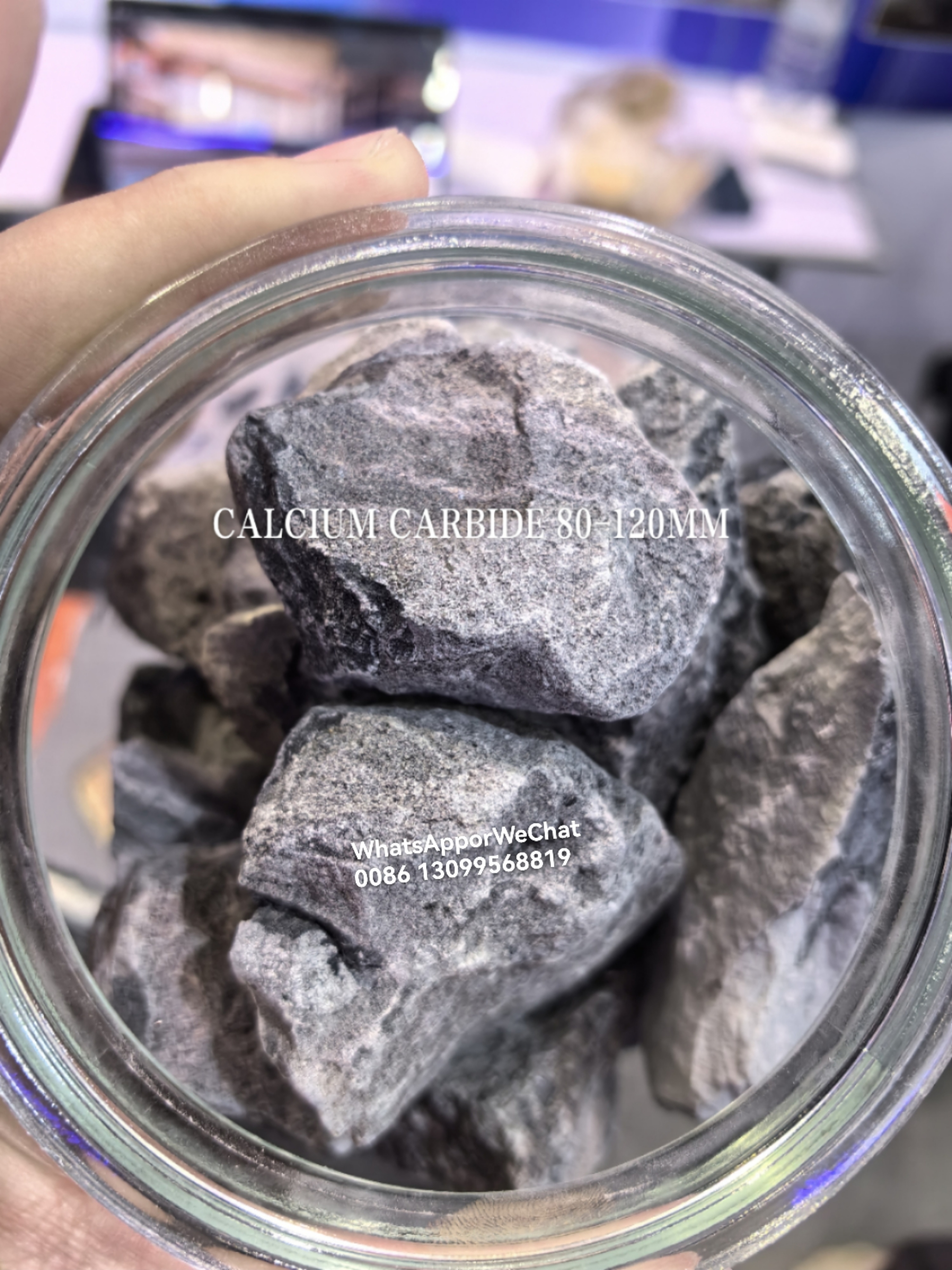
Calcium carbide is a chemical compound with the chemical formula CaC2. It is a colorless crystal or white powder and is commonly used in the production of acetylene gas, which is important for various industrial processes. The structural formula of calcium carbide is represented as Ca≡C-C≡C. In the non-metallic minerals industry, calcium carbide plays a crucial role in the production of acetylene
In the non-metallic minerals industry, calcium carbide plays a crucial role in the production of acetylene gas, which is utilized in welding, cutting, and metal fabrication. The reaction of calcium carbide with water produces acetylene gas, which is highly flammable and is widely used as a fuel in oxyacetylene welding and cutting torches.
Calcium carbide is also used in the production of various chemicals such as polyvinyl chloride (PVC), which is a widely used plastic material. Additionally, it is used in the manufacture of calcium cyanamide, a nitrogen fertilizer, and in the desulfurization of iron and steel.
Understanding the structural formula of calcium carbide is essential for professionals in the non-metallic minerals industry as it helps in grasping the chemical composition and properties of this compound. By knowing the structural formula, one can better comprehend its reactivity, applications, and potential hazards.
In conclusion, the structural formula of calcium carbide, CaC2, plays a significant role in the non-metallic minerals industry, particularly in the production of acetylene gas and various chemicals. It is essential to have a good understanding of the structural formula to effectively utilize calcium carbide in industrial processes.
News Hotspot



Our Main Products
Can't find the service you're looking for? Contact us!
To inquire about our products, please leave your email to us and we will contact you within 24 hours.