




China Calcium Calcium Product Provider
Unveiling the Chemical Composition of Calcium Carbide: A Detailed Analysis
Release Time:
2024-04-10
**Introduction** Calcium carbide is a crucial compound used in various industries, including metallurgy, mineral processing, and energy production. Understanding its chemical composition is essential for optimizing its applications and ensuring its efficient use. In this detailed analysis, we will delve into the intricacies of calcium carbide's composition, properties, and uses. **What is Calcium
Calcium carbide is a crucial compound used in various industries, including metallurgy, mineral processing, and energy production. Understanding its chemical composition is essential for optimizing its applications and ensuring its efficient use. In this detailed analysis, we will delve into the intricacies of calcium carbide's composition, properties, and uses.
**What is Calcium Carbide?**
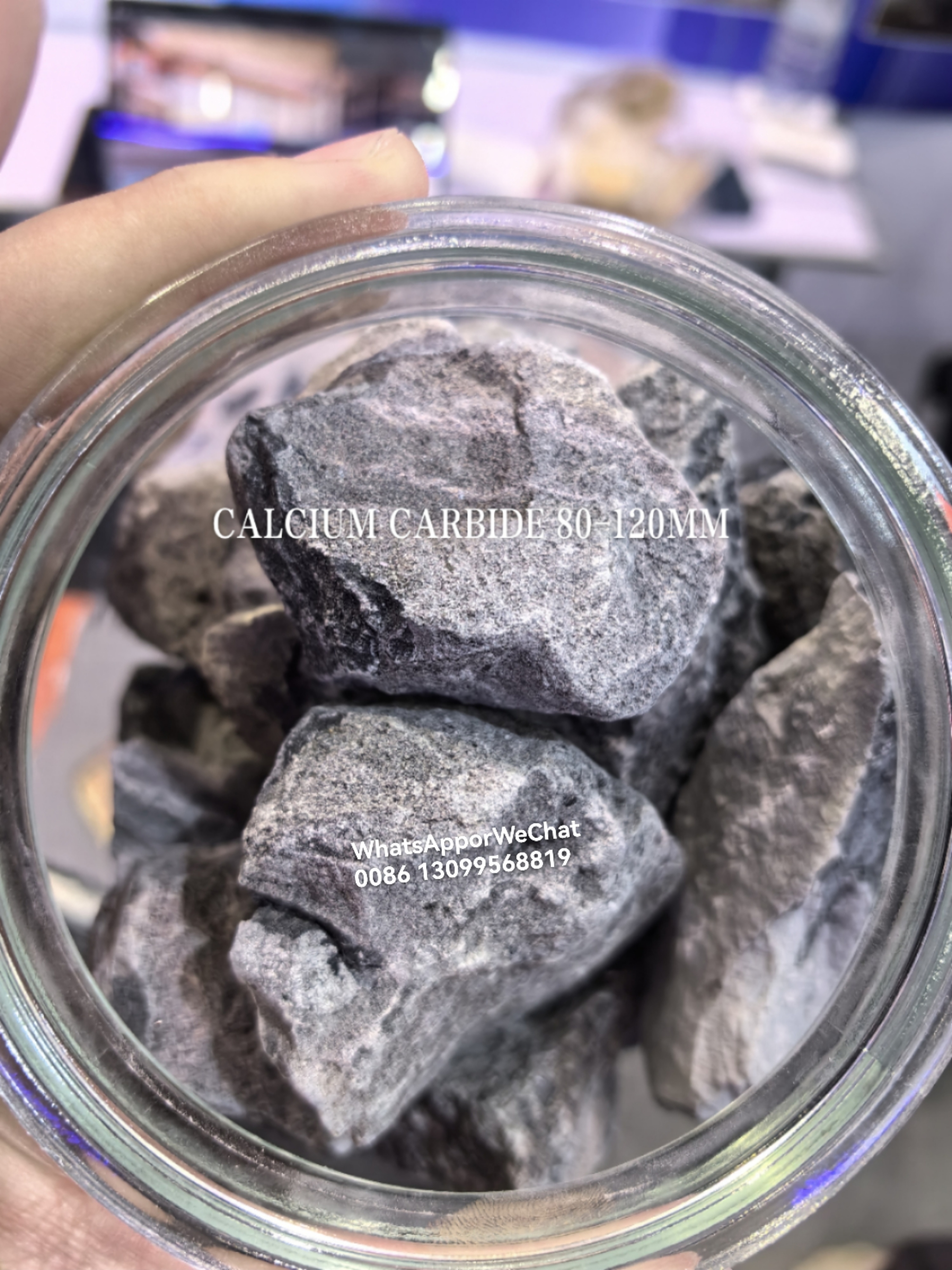
Calcium carbide is a chemical compound with the formula CaC2, consisting of calcium and carbon atoms. It is produced by combining calcium oxide with carbon in an electric arc furnace, resulting in the formation of calcium carbide and carbon monoxide gas. This process is known as the carbide process and has been used for decades to produce calcium carbide on an industrial scale.
**Chemical Composition of Calcium Carbide**
The chemical composition of calcium carbide is relatively simple, with one calcium atom bonded to two carbon atoms. This molecular structure gives calcium carbide its unique properties, including its ability to react with water to produce acetylene gas. The reaction between calcium carbide and water is exothermic, releasing a significant amount of heat and forming calcium hydroxide as a byproduct.
**Properties of Calcium Carbide**
Calcium carbide is a colorless crystalline solid with a distinctive odor. It is highly reactive and can react violently with water, releasing acetylene gas in the process. This gas is flammable and used in various industrial applications, such as welding and cutting metals. Calcium carbide also has a high melting point, making it suitable for use in high-temperature processes.
**Uses of Calcium Carbide**
Calcium carbide has numerous applications in the metallurgy, mineral processing, and energy industries. It is commonly used in the production of acetylene gas, which is a key component in oxyacetylene welding and cutting. Calcium carbide is also used in the production of calcium cyanamide, a nitrogen fertilizer, and in the desulfurization of iron and steel.
**FAQs**
1. What are the main components of calcium carbide?
- Calcium and carbon atoms are the main components of calcium carbide.
2. How is calcium carbide produced?
- Calcium carbide is produced by combining calcium oxide with carbon in an electric arc furnace.
3. What is the reaction between calcium carbide and water?
- The reaction between calcium carbide and water produces acetylene gas and calcium hydroxide.
4. What are the properties of calcium carbide?
- Calcium carbide is a colorless crystalline solid that is highly reactive and flammable.
5. What are the main uses of calcium carbide?
- Calcium carbide is used in the production of acetylene gas, calcium cyanamide, and in desulfurization processes.
**Conclusion**
In conclusion, understanding the chemical composition of calcium carbide is crucial for its effective use in various industries. By exploring its properties and applications, we can appreciate the importance of this compound in metallurgy, mineral processing, and energy production. With its unique properties and versatile uses, calcium carbide continues to play a vital role in modern industrial processes.
News Hotspot



Our Main Products
Can't find the service you're looking for? Contact us!
To inquire about our products, please leave your email to us and we will contact you within 24 hours.