




China Calcium Calcium Product Provider
Discover the Benefits of Using Top-Grade Calcium Carbide 25-50 MM for Metallurgical Purposes
Release Time:
2024-02-02
Table of Contents: 1. Introduction to Calcium Carbide 2. The Significance of Top-Grade Calcium Carbide 25-50 MM in Metallurgical Processes 3. Improved Steel Production with Calcium Carbide 4. Disease Control in Fruit Orchards Using Calcium Carbide 5. The Role of Calcium Carbide in Welding and Metal Cutting 6. Calcium Carbide as a Powerful Deoxidizing Agent 7. Calcium Carbide and the Generation of
1. Introduction to Calcium Carbide
2. The Significance of Top-Grade Calcium Carbide 25-50 MM in Metallurgical Processes
3. Improved Steel Production with Calcium Carbide
4. Disease Control in Fruit Orchards Using Calcium Carbide
5. The Role of Calcium Carbide in Welding and Metal Cutting
6. Calcium Carbide as a Powerful Deoxidizing Agent
7. Calcium Carbide and the Generation of Acetylene Gas
8. Frequently Asked Questions (FAQs)
a. What is the recommended size for calcium carbide in metallurgical applications?
b. Can calcium carbide be used as a fertilizer?
c. How is calcium carbide used for fruit ripening?
d. Is calcium carbide hazardous to handle?
e. What safety precautions should be taken when handling calcium carbide?
9. Conclusion
1. Introduction to Calcium Carbide
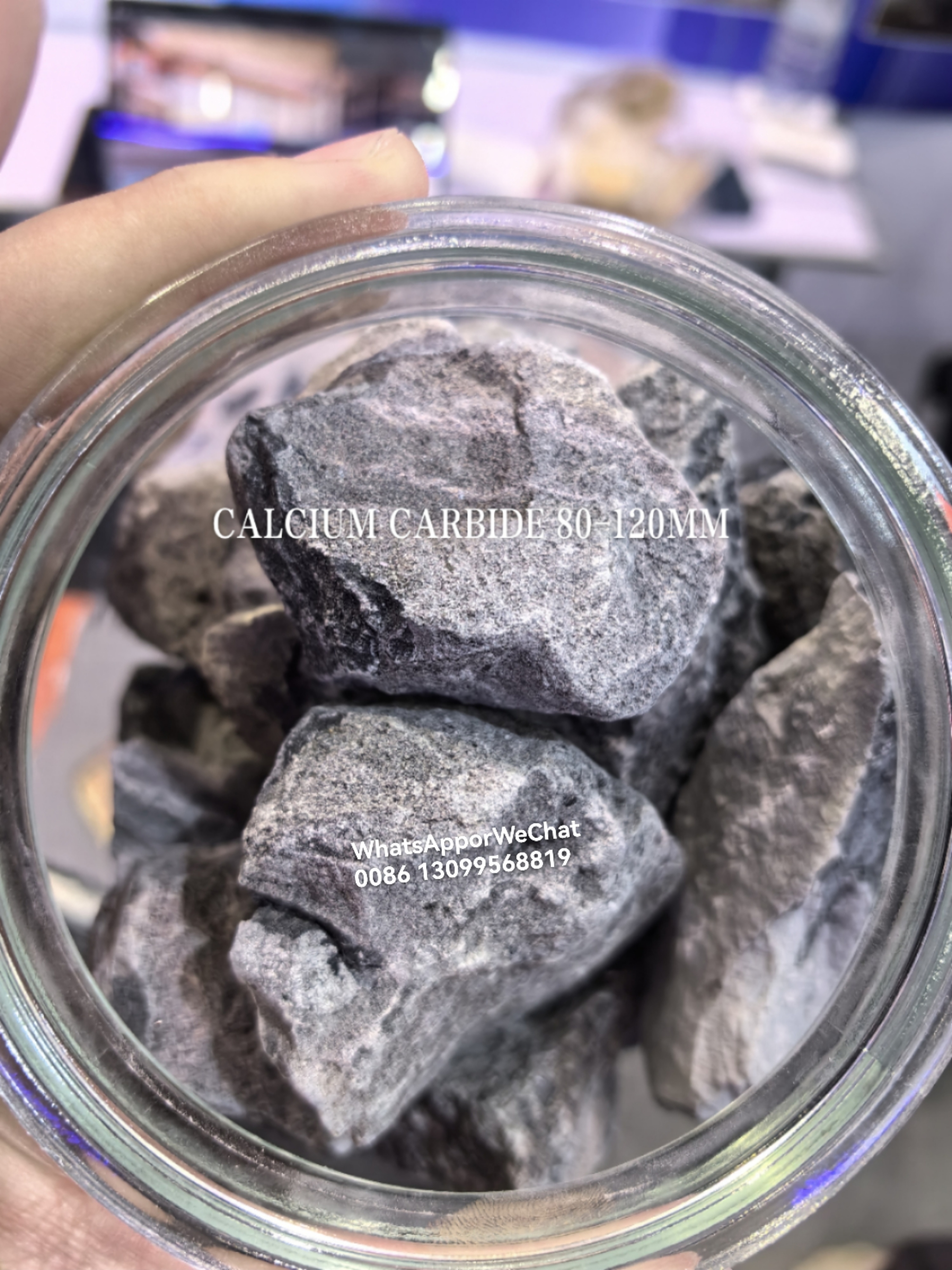
Calcium carbide is a chemical compound composed of calcium and carbon atoms. It is primarily used in various industrial processes due to its remarkable properties and versatility. Calcium carbide is produced through the reaction of lime and coke in an electric arc furnace, resulting in a solid material that is widely utilized in metallurgical applications.
2. The Significance of Top-Grade Calcium Carbide 25-50 MM in Metallurgical Processes
Top-grade calcium carbide with a particle size of 25-50 mm holds great importance in metallurgical purposes. Its large particle size allows for controlled and efficient reactions, ensuring optimal results in various metallurgical processes. Whether it be steel production or metal cutting, utilizing high-quality calcium carbide can significantly enhance industrial operations and increase productivity.
3. Improved Steel Production with Calcium Carbide
Calcium carbide plays a crucial role in steel production by facilitating the process of desulfurization. During steelmaking, impurities such as sulfur can negatively impact the final product's quality. Calcium carbide reacts with sulfur, forming calcium sulfide, which can be easily removed from the molten steel. This desulfurization process results in higher-quality steel with improved mechanical properties.
4. Disease Control in Fruit Orchards Using Calcium Carbide
In the agricultural sector, calcium carbide is widely used for fruit ripening and disease control in fruit orchards. When exposed to moisture, calcium carbide releases acetylene gas, which accelerates the ripening of fruits. Furthermore, acetylene gas generated from calcium carbide has antimicrobial properties, effectively suppressing harmful pathogens and preventing diseases in fruit trees.
5. The Role of Calcium Carbide in Welding and Metal Cutting
Calcium carbide also finds application in welding and metal cutting processes. When calcium carbide reacts with water, it produces acetylene gas, which, when ignited, produces a high-temperature flame. This flame is utilized in oxyacetylene welding and cutting, providing a precise and efficient method for joining and shaping metal components.
6. Calcium Carbide as a Powerful Deoxidizing Agent
In metallurgical processes, the presence of oxygen can negatively affect the desired properties of metals. Calcium carbide acts as a potent deoxidizing agent, removing oxygen from metal alloys and preventing the formation of undesirable oxides. This allows for the production of high-quality metals with improved strength and durability.
7. Calcium Carbide and the Generation of Acetylene Gas
One of the key features of calcium carbide is its ability to release acetylene gas when combined with water. Acetylene gas has numerous industrial applications, including its use as a fuel source for welding, cutting, and heating purposes. The controlled release of acetylene gas through the reaction of calcium carbide with water ensures a steady and reliable supply of this versatile gas.
8. Frequently Asked Questions (FAQs)
a. What is the recommended size for calcium carbide in metallurgical applications?
In metallurgical applications, top-grade calcium carbide with a particle size of 25-50 mm is commonly recommended. The larger particle size allows for better control and efficiency in various metallurgical processes.
b. Can calcium carbide be used as a fertilizer?
Calcium carbide should not be used as a fertilizer. Its primary applications are in industrial processes such as steel production, welding, and fruit ripening.
c. How is calcium carbide used for fruit ripening?
Calcium carbide is used for fruit ripening by releasing acetylene gas when exposed to moisture. This gas accelerates the ripening process, ensuring fruits reach their desired maturity.
d. Is calcium carbide hazardous to handle?
Calcium carbide can be hazardous if mishandled. It should be stored and handled with caution, following proper safety protocols and guidelines.
e. What safety precautions should be taken when handling calcium carbide?
When handling calcium carbide, it is important to wear appropriate protective gear, such as gloves and goggles, to avoid direct contact with the substance. Storage should be in a cool and dry place away from incompatible materials.
9. Conclusion
Top-grade calcium carbide 25-50 MM is a valuable resource in metallurgical purposes, offering a range of benefits in various industrial processes. From enhancing steel production to aiding in fruit ripening and disease control, the versatile properties of calcium carbide make it an essential component for numerous applications. By utilizing high-quality calcium carbide, industries can achieve improved efficiency, productivity, and overall success in their operations.
News Hotspot



Our Main Products
Can't find the service you're looking for? Contact us!
To inquire about our products, please leave your email to us and we will contact you within 24 hours.