




China Calcium Calcium Product Provider
How Bagged Calcium Carbide Enhances Energy Efficiency in the Metallurgical Sector
Release Time:
2024-01-20
Table of Contents: 1. Introduction - Enhancing Energy Efficiency in the Metallurgical Sector 2. What is Bagged Calcium Carbide? 3. Importance of Energy Efficiency in the Metallurgical Sector 4. The Role of Bagged Calcium Carbide in Energy Efficiency 5. How Bagged Calcium Carbide Enhances Metallurgical Processes 6. Advantages of Using Bagged Calcium Carbide in the Metallurgical Sector 7. Frequently
1. Introduction - Enhancing Energy Efficiency in the Metallurgical Sector
2. What is Bagged Calcium Carbide?
3. Importance of Energy Efficiency in the Metallurgical Sector
4. The Role of Bagged Calcium Carbide in Energy Efficiency
5. How Bagged Calcium Carbide Enhances Metallurgical Processes
6. Advantages of Using Bagged Calcium Carbide in the Metallurgical Sector
7. Frequently Asked Questions (FAQs)
8. Conclusion
1. Introduction - Enhancing Energy Efficiency in the Metallurgical Sector
In the fast-paced world of metallurgy, energy efficiency has become a key focus for companies looking to optimize their operations and reduce costs. One of the solutions gaining traction in the industry is the use of bagged calcium carbide. This article explores the role of bagged calcium carbide in enhancing energy efficiency in the metallurgical sector and delves into its benefits and applications.
2. What is Bagged Calcium Carbide?
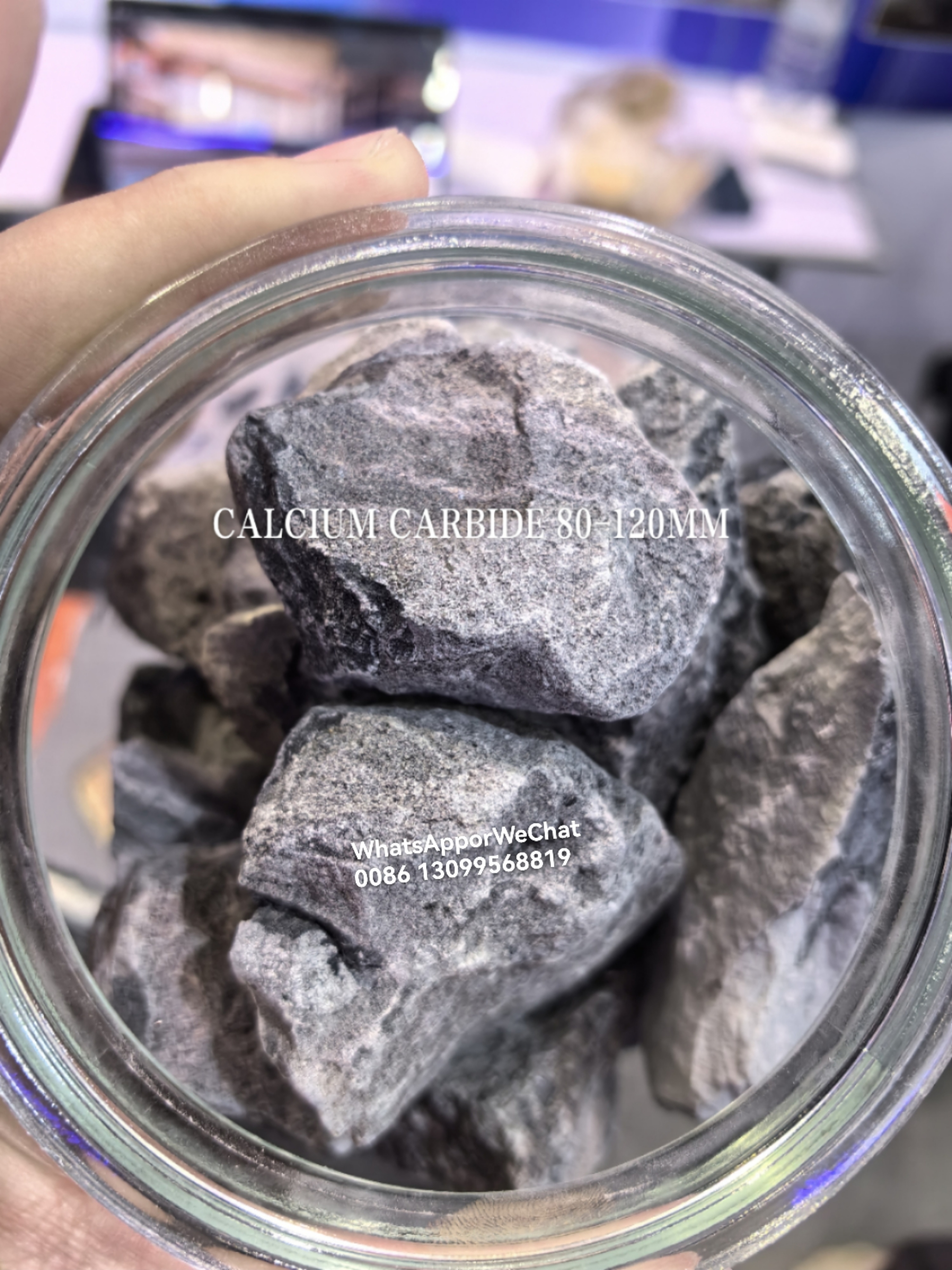
Bagged calcium carbide is a chemical compound composed of calcium and carbon atoms. It is produced through a reaction between quicklime (calcium oxide) and coke (carbon source) in an electric arc furnace. The resulting product is a grayish-black solid with various industrial applications.
3. Importance of Energy Efficiency in the Metallurgical Sector
The metallurgical sector is known for its energy-intensive processes, such as smelting, refining, and alloying. These processes require significant amounts of energy, leading to high operational costs and environmental impact. Therefore, improving energy efficiency has become imperative for companies operating in this sector. Enhancing energy efficiency not only reduces operational expenses but also minimizes carbon emissions, contributing to sustainability goals.
4. The Role of Bagged Calcium Carbide in Energy Efficiency
Bagged calcium carbide plays a crucial role in enhancing energy efficiency in the metallurgical sector. It acts as a powerful reducing agent, facilitating various metallurgical reactions while minimizing energy consumption. When added to specific metallurgical processes, bagged calcium carbide enables the reduction of metal oxides, resulting in the extraction of pure metals.
4.1 Reduction of Metal Oxides
Bagged calcium carbide is widely used in the reduction of metal oxides, such as iron oxide, during the production of steel. When calcium carbide reacts with metal oxides at high temperatures, it undergoes a chemical reaction known as carbothermic reduction. This reaction releases carbon monoxide and generates pure metals, reducing the energy required for the extraction process.
4.2 Improving Fuel Efficiency
Another significant advantage of bagged calcium carbide is its ability to improve fuel efficiency in metallurgical processes. By acting as a reducing agent, it allows for the use of lower-grade fuels by compensating for their lower energy content. The addition of bagged calcium carbide optimizes combustion reactions, resulting in the complete utilization of available fuel and reducing energy waste.
5. How Bagged Calcium Carbide Enhances Metallurgical Processes
Bagged calcium carbide enhances various metallurgical processes, including steelmaking, desulfurization, and metal purification. Its unique properties make it a valuable resource in improving process efficiency and reducing environmental impact.
5.1 Steelmaking
During steelmaking, bagged calcium carbide acts as a desulfurizing agent. It reacts with sulfur present in the molten metal, forming calcium sulfide. This reaction enables the removal of sulfur impurities, enhancing the quality of the steel produced. Additionally, bagged calcium carbide aids in the deoxidation process, preventing the formation of undesirable oxides in the steel.
5.2 Desulfurization
Bagged calcium carbide is also utilized in desulfurization processes outside of steelmaking. In industries such as oil refining and coal gasification, bagged calcium carbide helps remove sulfur compounds from various feedstocks, ensuring compliance with environmental regulations and reducing pollution.
5.3 Metal Purification
Metallurgical processes often involve the purification of metals to meet specific requirements. Bagged calcium carbide plays a crucial role in metal purification, particularly in the removal of impurities like phosphorous and arsenic. By forming stable compounds with these impurities, bagged calcium carbide allows for their separation from the desired metal, resulting in purer final products.
6. Advantages of Using Bagged Calcium Carbide in the Metallurgical Sector
The utilization of bagged calcium carbide in the metallurgical sector brings several advantages, such as improved energy efficiency, reduced environmental impact, and enhanced product quality.
6.1 Enhanced Energy Efficiency
By facilitating the reduction of metal oxides and improving fuel efficiency, bagged calcium carbide significantly enhances energy efficiency in metallurgical processes. This leads to reduced energy consumption, lower operational costs, and a smaller carbon footprint.
6.2 Reduced Environmental Impact
Bagged calcium carbide's role in desulfurization and metal purification contributes to reducing the environmental impact of metallurgical processes. By removing sulfur compounds and other impurities, it helps mitigate air and water pollution, ensuring compliance with environmental regulations.
6.3 Improved Product Quality
The addition of bagged calcium carbide in metallurgical processes results in higher-quality products. By removing impurities and controlling the composition of final alloys, it helps meet strict industry standards and customer requirements.
7. Frequently Asked Questions (FAQs)
FAQ 1: How is bagged calcium carbide different from other reducing agents?
Bagged calcium carbide offers unique advantages, including higher reactivity and lower impurity content when compared to other reducing agents. Its utilization in metallurgical processes leads to improved energy efficiency and product quality.
FAQ 2: Is bagged calcium carbide safe to handle?
Bagged calcium carbide should be handled with care due to its reactive nature. Proper safety precautions, such as wearing protective gear and storing it in appropriate conditions, should be adhered to when working with bagged calcium carbide.
FAQ 3: Can bagged calcium carbide be used in other industries apart from metallurgy?
Yes, bagged calcium carbide finds applications in various industries. It is used in acetylene production, desulfurization processes, and as a source of calcium-based materials in agriculture and water treatment.
FAQ 4: What are the long-term benefits of using bagged calcium carbide?
The long-term benefits of using bagged calcium carbide include improved energy efficiency, reduced operational costs, and enhanced environmental sustainability. It also leads to higher-quality products and increased competitiveness in the metallurgical sector.
FAQ 5: Where can bagged calcium carbide be sourced from?
Bagged calcium carbide can be sourced from reputable chemical suppliers and manufacturers specializing in metallurgical applications. It is essential to ensure the quality and purity of the product when making a purchase.
8. Conclusion
Bagged calcium carbide offers significant benefits in enhancing energy efficiency in the metallurgical sector. Through its role as a reducing agent, it improves fuel efficiency, reduces energy consumption, and contributes to the production of high-quality metals. The utilization of bagged calcium carbide in various metallurgical processes not only ensures operational efficiency but also helps companies achieve their environmental sustainability goals. By harnessing the power of bagged calcium carbide, the metallurgical sector can pave the way for a more energy-efficient and environmentally responsible future.
News Hotspot



Our Main Products
Can't find the service you're looking for? Contact us!
To inquire about our products, please leave your email to us and we will contact you within 24 hours.