




China Calcium Calcium Product Provider
Exploring the Production Process of Large Particle Calcium Carbide in Barrels: An In-depth Guide
Release Time:
2024-01-16
Table of Contents: 1. Introduction 2. What is Calcium Carbide? 3. Importance of Large Particle Calcium Carbide 4. Production Process of Large Particle Calcium Carbide in Barrels 4.1. Step 1: Collection of Raw Materials 4.2. Step 2: Crushing and Mixing 4.3. Step 3: Carbonization 4.4. Step 4: Cooling 4.5. Step 5: Packaging and Storage 5. Quality Control Measures in Large Particle Calc
1. Introduction
2. What is Calcium Carbide?
3. Importance of Large Particle Calcium Carbide
4. Production Process of Large Particle Calcium Carbide in Barrels
4.1. Step 1: Collection of Raw Materials
4.2. Step 2: Crushing and Mixing
4.3. Step 3: Carbonization
4.4. Step 4: Cooling
4.5. Step 5: Packaging and Storage
5. Quality Control Measures in Large Particle Calcium Carbide Production
6. Safety Precautions and Environmental Considerations
7. Applications of Large Particle Calcium Carbide
8. FAQs
8.1. What are the main raw materials required for large particle calcium carbide production?
8.2. How is large particle calcium carbide produced?
8.3. What safety measures should be taken during the production process?
8.4. How is quality control ensured in large particle calcium carbide production?
8.5. What are the key applications of large particle calcium carbide?
9. Conclusion
1. Introduction
In this article, we delve into the production process of large particle calcium carbide, an integral component of the metallurgical and energy industry. From the collection of raw materials to the final packaging and storage, we uncover the intricate steps involved in producing this essential compound.
2. What is Calcium Carbide?
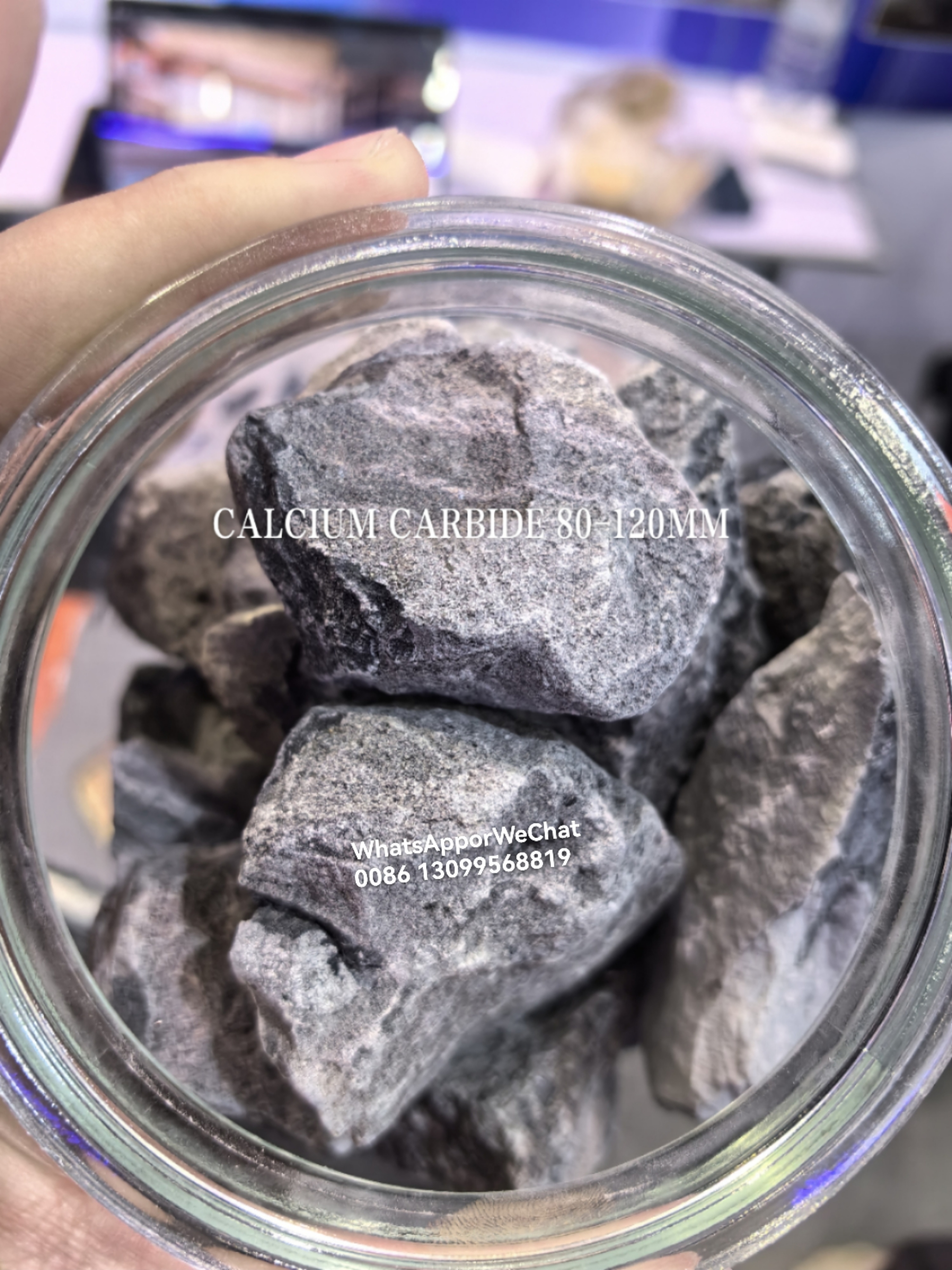
Calcium carbide is a chemical compound primarily used in the production of acetylene gas, which finds extensive applications in various industries. It is obtained through the reaction of lime and carbon in an electric arc furnace. The resulting compound, calcium carbide, has multiple uses due to its ability to release acetylene gas when it comes into contact with water.
3. Importance of Large Particle Calcium Carbide
Large particle calcium carbide holds significant importance in different industrial processes. Its ability to produce acetylene gas makes it a crucial component in welding and cutting operations. Additionally, the production of certain plastics, solvents, and chemicals heavily relies on the use of acetylene derived from large particle calcium carbide.
4. Production Process of Large Particle Calcium Carbide in Barrels
4.1. Step 1: Collection of Raw Materials
The production process begins with the careful selection and procurement of high-quality raw materials. Key components include lime, coke, and anthracite coal. These materials undergo rigorous testing to ensure they meet the specific requirements for large particle calcium carbide production.
4.2. Step 2: Crushing and Mixing
In this stage, the raw materials are crushed and mixed in precise proportions to form a blend ready for carbonization. The crushing process ensures uniformity and optimal particle sizes, while mixing guarantees homogeneity of the mixture.
4.3. Step 3: Carbonization
The carbonization step involves subjecting the mixture to an electric arc furnace, where temperatures reach extreme levels. The intense heat triggers the chemical reaction between lime and carbon, resulting in the formation of calcium carbide. The vapors produced during this process are collected and used for further chemical refinement.
4.4. Step 4: Cooling
After carbonization, the calcium carbide is subjected to a cooling process to stabilize its structure. Controlled cooling prevents the formation of undesirable by-products and ensures the desired product characteristics.
4.5. Step 5: Packaging and Storage
Once cooled, the large particle calcium carbide is carefully packaged in barrels to protect it from moisture and other external factors. The barrels are sealed to maintain the purity and integrity of the product. Proper labeling and storage in suitable conditions ensure the longevity and usability of the calcium carbide.
5. Quality Control Measures in Large Particle Calcium Carbide Production
To maintain consistent quality, rigorous quality control measures are implemented throughout the production process. Constant monitoring of raw materials, regular testing, and adherence to strict standards guarantee the production of high-quality large particle calcium carbide.
6. Safety Precautions and Environmental Considerations
Large particle calcium carbide production demands adherence to stringent safety protocols to prevent accidents and ensure worker well-being. Safety measures include the use of protective gear, proper ventilation systems, and regular maintenance of equipment. Environmental considerations are also vital, with appropriate waste disposal and emission control methods implemented to minimize ecological impact.
7. Applications of Large Particle Calcium Carbide
Large particle calcium carbide finds diverse applications in several industries. Its main utilization lies in the production of acetylene gas, which is further employed in metal fabrication, welding, and cutting operations. Additionally, it serves as a starting material for the synthesis of various chemicals and plastics.
8. FAQs
8.1. What are the main raw materials required for large particle calcium carbide production?
The main raw materials include lime, coke, and anthracite coal.
8.2. How is large particle calcium carbide produced?
Large particle calcium carbide is produced through the carbonization of a carefully blended mixture of lime and carbon in an electric arc furnace.
8.3. What safety measures should be taken during the production process?
Safety measures include the use of protective gear, proper ventilation, regular equipment maintenance, and adherence to safety protocols.
8.4. How is quality control ensured in large particle calcium carbide production?
Quality control is maintained through constant monitoring of raw materials, rigorous testing, and adherence to strict quality standards.
8.5. What are the key applications of large particle calcium carbide?
Large particle calcium carbide is primarily utilized in metal fabrication, welding, cutting operations, and the synthesis of various chemicals and plastics.
9. Conclusion
In conclusion, the production process of large particle calcium carbide in barrels plays a crucial role in the metallurgical and energy industry. Understanding the intricacies involved in each step, from raw material selection to packaging, enables industries to ensure the production of high-quality calcium carbide. By employing stringent quality control measures and prioritizing safety and environmental considerations, manufacturers can contribute to the growth and sustainability of this vital sector.
News Hotspot



Our Main Products
Can't find the service you're looking for? Contact us!
To inquire about our products, please leave your email to us and we will contact you within 24 hours.