




China Calcium Calcium Product Provider
Discover the Benefits of 2-7MM Calcium Carbide: A Versatile Non-Metallic Mineral.
Release Time:
2024-01-10
Table of Contents: 1. Introduction to 2-7MM Calcium Carbide 2. Applications in Steel Production 3. Enhancing Acetylene Production 4. Importance in the Chemical Industry 5. Utilization in Fertilizer Production 6. Water Treatment Applications 7. Construction Industry Applications 8. Environmental Benefits of 2-7MM Calcium Carbide 9. Frequently Asked Questions 9.1 What is the main use of 2-7MM cal
1. Introduction to 2-7MM Calcium Carbide
2. Applications in Steel Production
3. Enhancing Acetylene Production
4. Importance in the Chemical Industry
5. Utilization in Fertilizer Production
6. Water Treatment Applications
7. Construction Industry Applications
8. Environmental Benefits of 2-7MM Calcium Carbide
9. Frequently Asked Questions
9.1 What is the main use of 2-7MM calcium carbide?
9.2 Can 2-7MM calcium carbide be harmful?
9.3 How is 2-7MM calcium carbide produced?
9.4 What safety precautions should be taken when handling 2-7MM calcium carbide?
9.5 Are there any alternatives to 2-7MM calcium carbide?
10. Conclusion
1. Introduction to 2-7MM Calcium Carbide
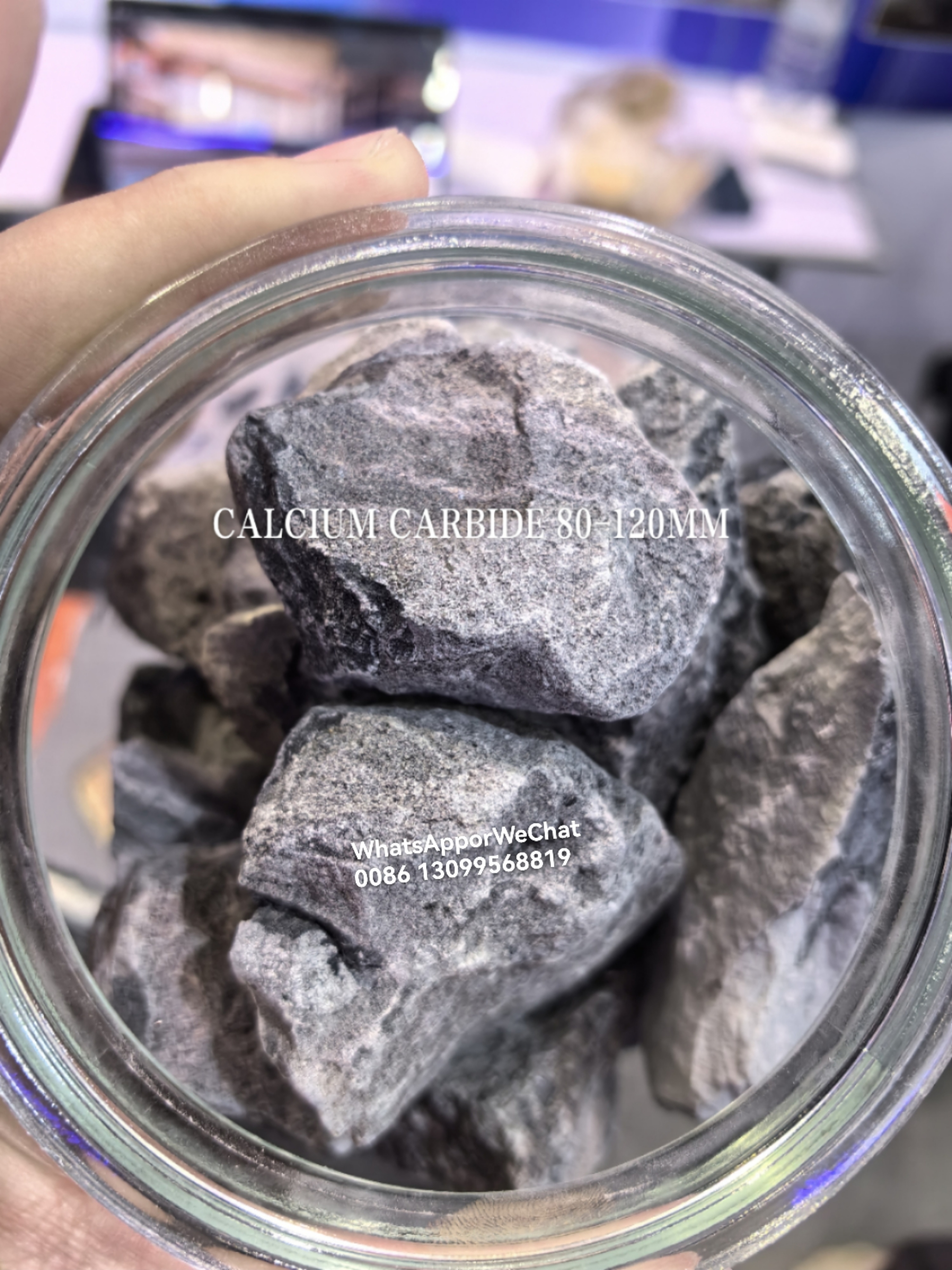
2-7MM calcium carbide is a highly versatile non-metallic mineral that finds extensive applications in various industries. It is primarily composed of calcium and carbon elements and is produced through a chemical reaction between quicklime and coke. This mineral is known for its remarkable properties, making it an invaluable resource for numerous processes.
2. Applications in Steel Production
The steel industry benefits greatly from the use of 2-7MM calcium carbide. This mineral acts as a crucial desulfurizing agent, effectively reducing the sulfur content in steel. Additionally, it aids in the removal of impurities, resulting in high-quality steel with enhanced strength and durability. By incorporating 2-7MM calcium carbide in steel production, manufacturers can achieve superior steel products.
3. Enhancing Acetylene Production
Another significant application of 2-7MM calcium carbide is in the production of acetylene gas. Acetylene serves as a vital component in various industries, including welding, metal cutting, and chemical synthesis. 2-7MM calcium carbide, when reacted with water, releases acetylene gas, which can be utilized in a wide range of industrial processes. This mineral enables efficient and cost-effective acetylene production, ensuring a steady supply for different applications.
4. Importance in the Chemical Industry
The chemical industry heavily relies on 2-7MM calcium carbide due to its role in producing a variety of chemicals. One prominent example is the production of calcium cyanamide, a crucial nitrogen-based fertilizer. Additionally, this mineral serves as a precursor for various organic compounds used in the synthesis of plastics, solvents, and pharmaceuticals. Its versatility and availability make 2-7MM calcium carbide an indispensable resource for chemical manufacturers.
5. Utilization in Fertilizer Production
2-7MM calcium carbide plays a significant role in the production of fertilizers. It reacts with nitrogen to produce calcium cyanamide, a compound that acts as a slow-release nitrogen fertilizer. This fertilizer not only provides essential nutrients to plants but also inhibits the growth of weeds and pests, resulting in healthier and more productive crops. 2-7MM calcium carbide enables sustainable and efficient fertilizer production, contributing to agricultural advancements.
6. Water Treatment Applications
The unique properties of 2-7MM calcium carbide make it an effective solution for water treatment. When added to water, it undergoes a reaction that generates acetylene gas. This gas acts as a disinfectant, eliminating harmful microorganisms and bacteria, thereby ensuring safe and clean water. The use of 2-7MM calcium carbide for water treatment provides an efficient and environmentally friendly method for maintaining water quality.
7. Construction Industry Applications
In the construction industry, 2-7MM calcium carbide finds multiple applications. It is used as a desiccant, absorbing moisture from construction materials such as concrete, preventing cracks and ensuring structural integrity. Additionally, this mineral is employed in the production of calcium carbide slag, which serves as a raw material for cement and concrete manufacturing. By utilizing 2-7MM calcium carbide, the construction industry can enhance the quality and longevity of its projects.
8. Environmental Benefits of 2-7MM Calcium Carbide
Apart from its numerous industrial applications, 2-7MM calcium carbide offers several environmental benefits. Its desulfurizing properties aid in reducing harmful sulfur emissions during steel production, contributing to air pollution control. Additionally, its use in water treatment minimizes the need for chemical disinfectants, promoting a more sustainable approach to water purification. The versatility and eco-friendliness of 2-7MM calcium carbide make it a valuable resource for industries striving for environmental conservation.
9. Frequently Asked Questions
9.1 What is the main use of 2-7MM calcium carbide?
The main use of 2-7MM calcium carbide is as a desulfurizing agent in steel production. It helps reduce the sulfur content in steel, resulting in high-quality steel products.
9.2 Can 2-7MM calcium carbide be harmful?
While 2-7MM calcium carbide itself is not harmful, it can release toxic gases if mishandled or stored improperly. It is essential to follow safety precautions when working with this mineral.
9.3 How is 2-7MM calcium carbide produced?
2-7MM calcium carbide is produced through a chemical reaction between quicklime (calcium oxide) and coke in an electric arc furnace.
9.4 What safety precautions should be taken when handling 2-7MM calcium carbide?
When handling 2-7MM calcium carbide, it is crucial to wear appropriate protective gear, such as gloves and goggles. Additionally, proper ventilation should be ensured to prevent the buildup of acetylene gas.
9.5 Are there any alternatives to 2-7MM calcium carbide?
While there are alternatives to 2-7MM calcium carbide, such as lime-based desulfurization methods, they may not offer the same level of efficiency and effectiveness in various applications.
10. Conclusion
In conclusion, 2-7MM calcium carbide proves to be a versatile non-metallic mineral with numerous applications across various industries. Its role in steel production, acetylene production, and the chemical industry highlights its significance in driving industrial processes. Additionally, its utilization in fertilizer production, water treatment, and the construction industry further underscores its wide-ranging benefits. Moreover, the environmental advantages associated with 2-7MM calcium carbide make it an ideal choice for industries striving for sustainability. By harnessing the potential of this remarkable mineral, businesses can enhance their processes and achieve remarkable results. Embrace the benefits of 2-7MM calcium carbide and unlock a world of possibilities for your industry.
News Hotspot



Our Main Products
Can't find the service you're looking for? Contact us!
To inquire about our products, please leave your email to us and we will contact you within 24 hours.