




China Calcium Calcium Product Provider
Exploring the Applications of Calcium Carbide 15-25 MM in Metallurgy
Release Time:
2024-01-06
Introduction Unlocking the Potential of Calcium Carbide 15-25 MM in Metallurgical Applications Understanding Calcium Carbide 15-25 MM Calcium carbide, specifically the 15-25 MM variant, is a versatile compound with significant applications in the field of metallurgy. This article aims to explore the various ways in which calcium carbide 15-25 MM is utilized in metallurgical processes, highlighting
Introduction
Unlocking the Potential of Calcium Carbide 15-25 MM in Metallurgical Applications
Unlocking the Potential of Calcium Carbide 15-25 MM in Metallurgical Applications
Understanding Calcium Carbide 15-25 MM
Calcium carbide, specifically the 15-25 MM variant, is a versatile compound with significant applications in the field of metallurgy. This article aims to explore the various ways in which calcium carbide 15-25 MM is utilized in metallurgical processes, highlighting its benefits and potential impact on the industry.
1. Calcium Carbide 15-25 MM: A Brief Overview
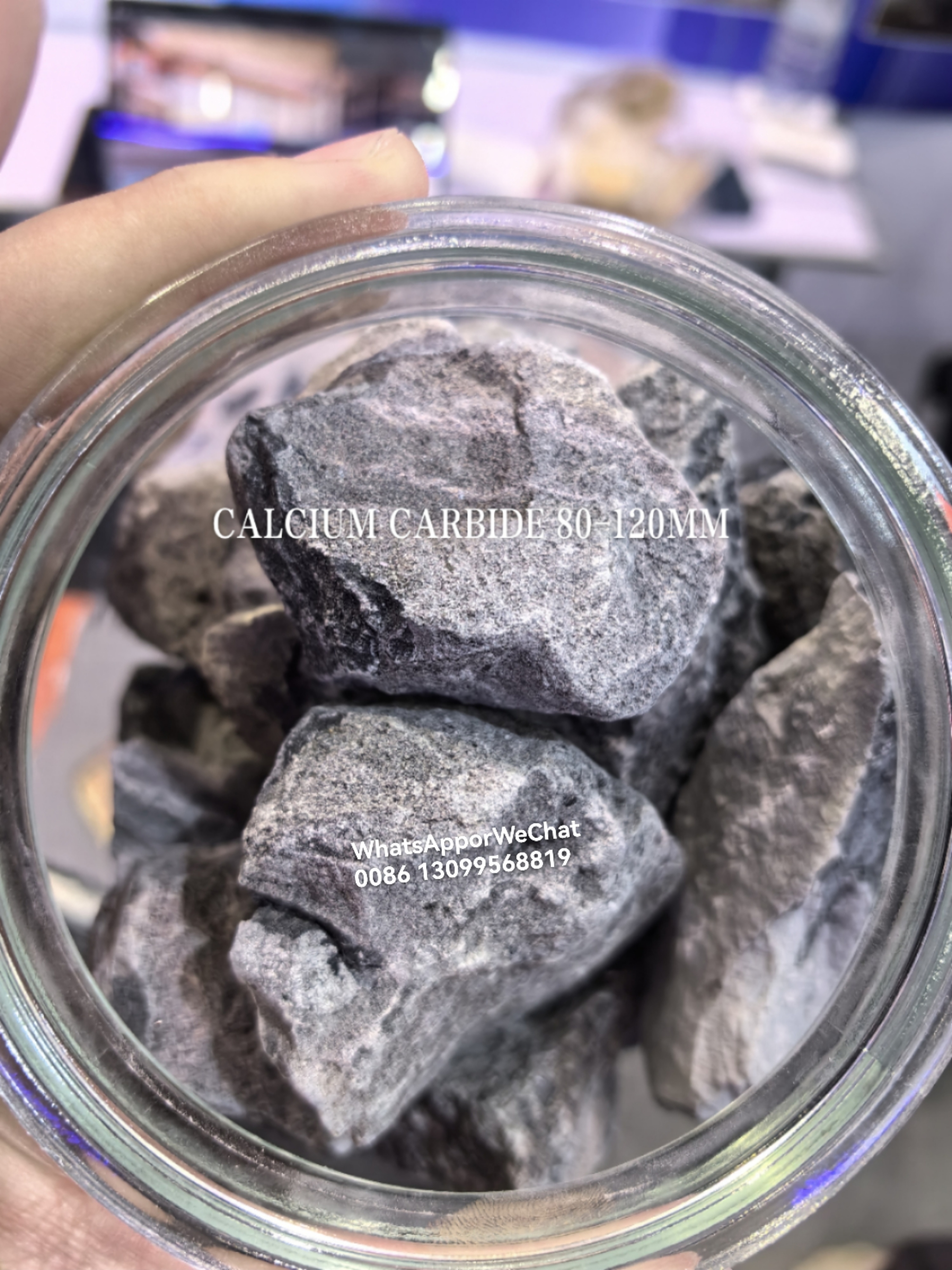
Calcium carbide 15-25 MM is an inorganic compound with the chemical formula CaC₂. It is produced through the reaction of lime and coke at high temperatures in an electric arc furnace. The resulting product is a grayish-white solid with a crystalline structure.
1.1 Properties of Calcium Carbide 15-25 MM
- High melting point: Calcium carbide 15-25 MM has a melting point of approximately 2300°C, making it suitable for high-temperature applications.
- Reactivity: It reacts vigorously with water, releasing acetylene gas, which has various industrial applications.
- Stability: Calcium carbide 15-25 MM is stable under normal conditions and does not decompose easily.
- Density: It has a density of around 2.22 g/cm³, ensuring ease of handling and storage.
2. Applications of Calcium Carbide 15-25 MM in Metallurgy
Calcium carbide 15-25 MM finds extensive use in metallurgical processes due to its unique properties. Let's delve into some of its notable applications:
2.1 Steelmaking
In the steel industry, calcium carbide 15-25 MM plays a crucial role in desulfurization. When added to the molten steel, it reacts with sulfur impurities, forming calcium sulfide. This reaction effectively removes sulfur from the steel, resulting in improved quality and performance. Furthermore, the addition of calcium carbide 15-25 MM aids in deoxidation, reducing the presence of oxygen and enhancing the steel's overall properties.
2.2 Carbide-Based Ferroalloys
Calcium carbide 15-25 MM serves as a key raw material in the production of carbide-based ferroalloys like calcium silicon alloy and calcium manganese alloy. These alloys are widely used in metallurgy to enhance the properties of steel. Calcium silicon alloy, for instance, improves the strength and ductility of steel, while calcium manganese alloy enhances its wear resistance and hardness.
2.3 Synthetic Slag Production
Synthetic slag is crucial in the steelmaking process as it helps maintain the desired chemical composition of molten steel. Calcium carbide 15-25 MM is utilized in the production of synthetic slag due to its ability to react with impurities and form stable compounds. The synthetic slag formed acts as a protective layer, preventing reoxidation and ensuring the desired steel quality.
2.4 Acetylene Production
Apart from its direct applications in metallurgy, calcium carbide 15-25 MM is also used for acetylene production. By reacting calcium carbide with water, acetylene gas is generated, which finds applications in welding, cutting, and various chemical processes. Acetylene is a vital component in the metal fabrication industry, enabling precise and efficient metal cutting and shaping.
3. Benefits of Using Calcium Carbide 15-25 MM in Metallurgy
The utilization of calcium carbide 15-25 MM in metallurgy offers several advantages:
3.1 Cost-effectiveness
Calcium carbide 15-25 MM is relatively inexpensive compared to other desulfurizing agents used in steelmaking. Its cost-effectiveness makes it a preferred choice for industries aiming to improve cost efficiency without compromising quality.
3.2 Enhanced Steel Quality
The use of calcium carbide 15-25 MM in metallurgical processes results in superior steel quality. Its desulfurizing properties contribute to reduced impurities, leading to stronger, more durable, and corrosion-resistant steel products.
3.3 Versatility
Calcium carbide 15-25 MM offers versatile applications in metallurgy, ranging from desulfurization to deoxidation and the production of carbide-based alloys. Its multifaceted nature makes it a valuable resource for various metallurgical processes.
3.4 Environmentally Friendly
Compared to alternative desulfurizing agents like lime or magnesium, calcium carbide 15-25 MM is considered environmentally friendly. Its utilization results in reduced emissions and waste, contributing to sustainable and eco-friendly metallurgical practices.
FAQs (Frequently Asked Questions)
1. What precautions should be taken when handling calcium carbide 15-25 MM?
Answer: When handling calcium carbide 15-25 MM, it's important to wear appropriate protective gear, such as gloves and goggles, to prevent direct contact with the compound. Additionally, it should be stored in a cool, dry place away from moisture to avoid unwanted reactions.
2. Can calcium carbide 15-25 MM be used in other industries apart from metallurgy?
Answer: Yes, calcium carbide 15-25 MM has applications beyond metallurgy. It is used in the production of acetylene gas, which finds usage in welding, cutting, and various chemical processes.
3. How does calcium carbide 15-25 MM contribute to sustainable metallurgical practices?
Answer: Calcium carbide 15-25 MM is considered environmentally friendly due to its minimal emissions and waste generation during metallurgical processes. Its utilization supports sustainable metallurgical practices by reducing the ecological footprint of the industry.
4. Can calcium carbide 15-25 MM be directly added to molten steel?
Answer: No, calcium carbide 15-25 MM is typically added to molten steel in the form of a powder or granules. This allows for controlled and uniform distribution within the molten steel, ensuring effective desulfurization and deoxidation.
5. How does calcium carbide 15-25 MM improve the quality of steel?
Answer: Calcium carbide 15-25 MM reacts with sulfur impurities in molten steel, forming calcium sulfide. This reaction facilitates the removal of sulfur, resulting in steel with reduced impurities and improved mechanical properties.
Conclusion
Harnessing the Potential of Calcium Carbide 15-25 MM in Metallurgical Processes
In conclusion, calcium carbide 15-25 MM proves to be a valuable asset in the field of metallurgy. Its applications in desulfurization, carbide-based alloys, synthetic slag production, and acetylene generation contribute to enhanced steel quality, cost-effectiveness, and sustainable practices. Understanding and harnessing the potential of calcium carbide 15-25 MM opens doors to innovative metallurgical processes, ensuring the production of high-quality steel for various industries.
News Hotspot



Our Main Products
Can't find the service you're looking for? Contact us!
To inquire about our products, please leave your email to us and we will contact you within 24 hours.