




China Calcium Calcium Product Provider
Calcium Carbide 7-15 MM: Everything You Need to Know
Release Time:
2024-01-05
Calcium Carbide 7-15 MM, commonly used in the Non-Metallic Minerals - Carbides industry, is an important compound with various applications. Whether you are a manufacturer or a consumer, understanding its characteristics and uses can prove beneficial. Here, we will delve into the key aspects of Calcium Carbide 7-15 MM, providing you with valuable information. 1. What is Calcium Carbide 7-15 MM? Ca
Calcium Carbide 7-15 MM, commonly used in the Non-Metallic Minerals - Carbides industry, is an important compound with various applications. Whether you are a manufacturer or a consumer, understanding its characteristics and uses can prove beneficial. Here, we will delve into the key aspects of Calcium Carbide 7-15 MM, providing you with valuable information.
1. What is Calcium Carbide 7-15 MM?
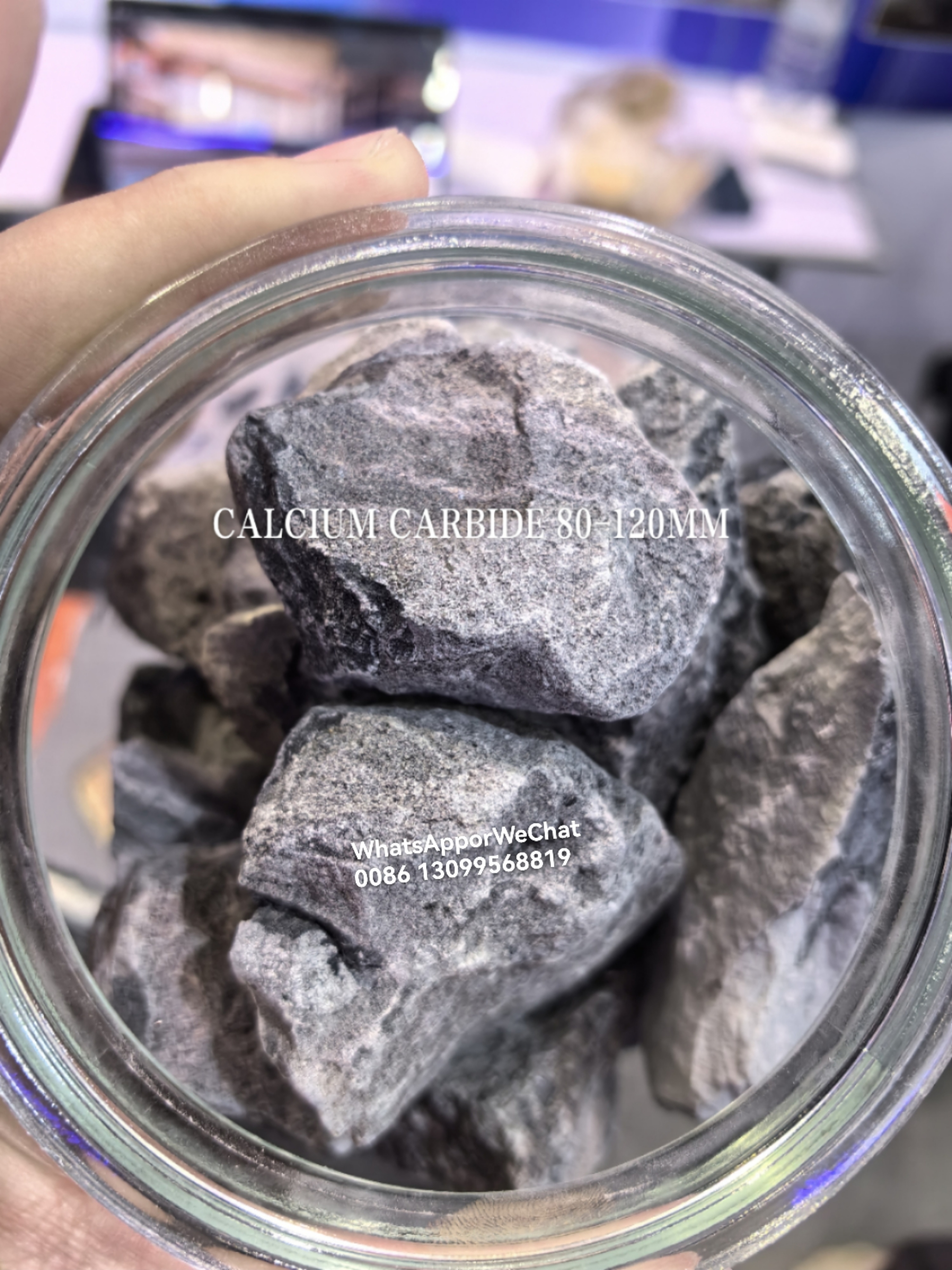
Calcium Carbide 7-15 MM is a chemical compound composed of calcium and carbon atoms. It is produced through a reaction between quicklime (calcium oxide) and coke (carbon). The resulting product is a grayish-black solid with a granular form, typically ranging from 7 to 15 millimeters in size.
2. Industrial Applications:
Calcium Carbide 7-15 MM finds extensive use in the Non-Metallic Minerals - Carbides industry, particularly in the production of acetylene gas. This gas is utilized in various industrial processes, such as welding, metal cutting, and chemical synthesis. Additionally, Calcium Carbide 7-15 MM can also serve as a raw material for manufacturing calcium cyanamide, a nitrogenous fertilizer.
3. Acetylene Gas Production:
When Calcium Carbide 7-15 MM comes into contact with water, it undergoes a chemical reaction, resulting in the release of acetylene gas. This process, known as hydrolysis, is often employed to obtain acetylene gas on-demand for industrial applications. However, it is important to note that this reaction is highly exothermic and should be handled with caution.
4. Safety Considerations:
While Calcium Carbide 7-15 MM offers numerous benefits, it is essential to handle it with care. The compound is moisture-sensitive and can react vigorously with water, releasing flammable acetylene gas. Therefore, proper storage in dry conditions is crucial to prevent accidental reactions. Additionally, personal protective equipment, such as gloves and goggles, should be worn while handling Calcium Carbide 7-15 MM to ensure safety.
In conclusion, Calcium Carbide 7-15 MM plays a significant role in the Non-Metallic Minerals - Carbides industry, primarily as a source of acetylene gas. It has diverse applications in welding, metal cutting, and chemical synthesis. However, precautions must be taken when handling this compound due to its reactive nature. By understanding the basics of Calcium Carbide 7-15 MM, you can make informed decisions regarding its utilization in your industry or projects.
News Hotspot



Our Main Products
Can't find the service you're looking for? Contact us!
To inquire about our products, please leave your email to us and we will contact you within 24 hours.