




China Calcium Calcium Product Provider
Bagged Calcium Carbide: A Key Component in the Non-Metallic Minerals Industry
Release Time:
2024-01-03
Introduction: In the realm of non-metallic minerals, bagged calcium carbide plays a pivotal role in various industrial applications. This article delves into the significance of bagged calcium carbide in the non-metallic minerals industry, shedding light on its applications, benefits, and contributions to sectors such as steelmaking, chemical synthesis, and acetylene gas production. Understanding
In the realm of non-metallic minerals, bagged calcium carbide plays a pivotal role in various industrial applications. This article delves into the significance of bagged calcium carbide in the non-metallic minerals industry, shedding light on its applications, benefits, and contributions to sectors such as steelmaking, chemical synthesis, and acetylene gas production.
Understanding Bagged Calcium Carbide:
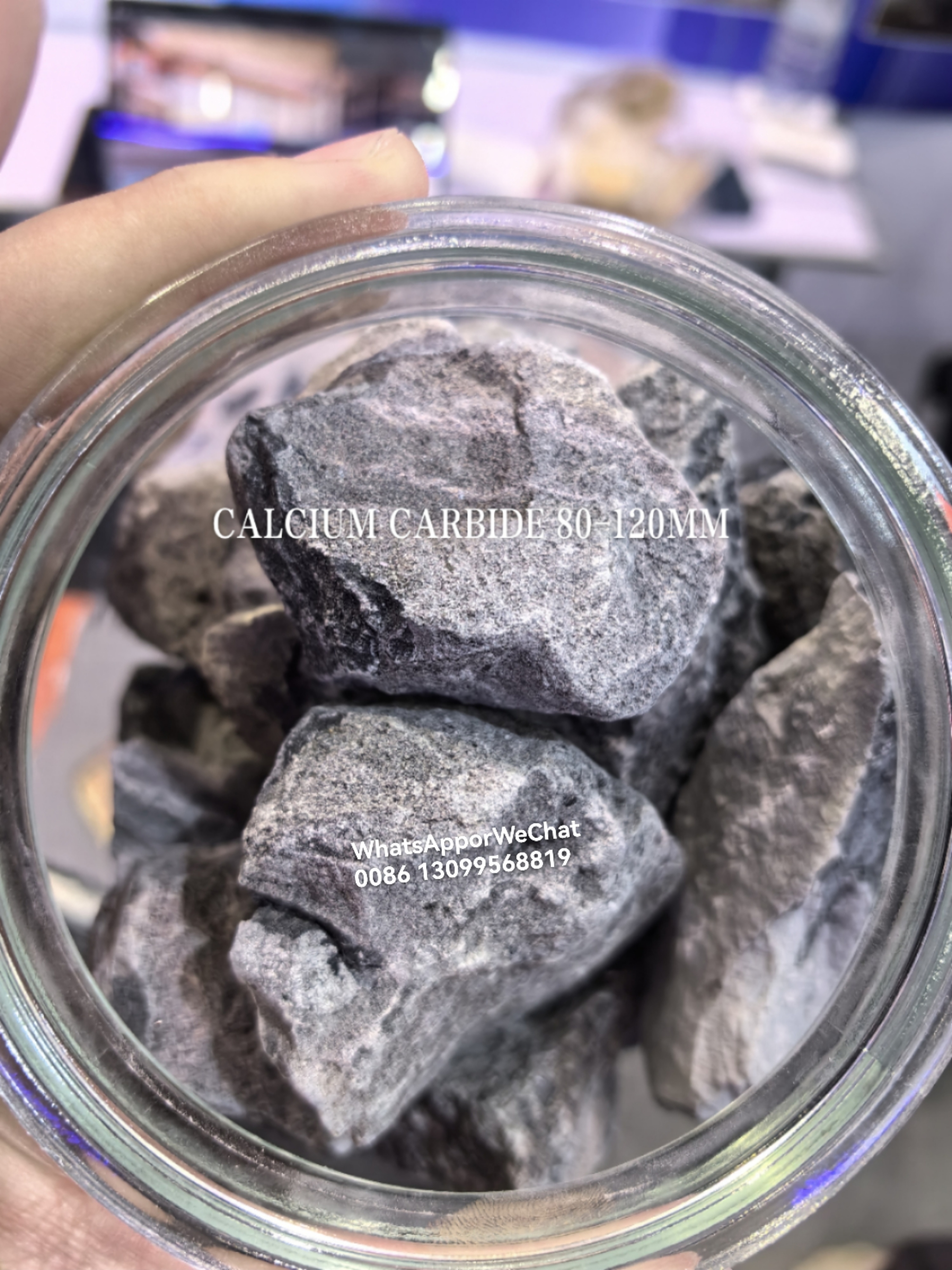
Bagged calcium carbide, a chemical compound with the formula CaC2, is primarily produced through a reaction between quicklime (calcium oxide) and carbon in an electric arc furnace. This process yields a grayish-black substance that is further crushed, processed, and packaged.
Application in Acetylene Gas Production:
One of the significant applications of bagged calcium carbide lies in the production of acetylene gas. When bagged calcium carbide reacts with water, it releases acetylene gas, which finds its use in various industrial processes. Acetylene gas serves as a vital fuel source for welding and cutting torches, and as an ingredient in the production of plastics, solvents, and other chemicals.
Role in Steelmaking:
Bagged calcium carbide also contributes to the steelmaking industry. In the process of desulfurization, bagged calcium carbide reacts with sulfur impurities present in molten iron, forming calcium sulfide. This reaction enables the removal of sulfur, a crucial step in producing high-quality steel. Additionally, bagged calcium carbide aids in the control of nitrogen content during steel production, enhancing the overall quality of the final product.
Contribution to Chemical Synthesis:
The versatility of bagged calcium carbide extends beyond acetylene gas production and steelmaking. It serves as a precursor for various chemical compounds, including calcium cyanamide, calcium cyanide, and calcium phosphate. These compounds find applications in the manufacturing of fertilizers, pharmaceuticals, and plastics.
In conclusion, bagged calcium carbide holds immense importance in the non-metallic minerals industry, particularly in the production of acetylene gas, steelmaking, and chemical synthesis. Its role in these sectors facilitates the creation of high-quality steel, enables the production of acetylene gas for industrial processes, and serves as a precursor for various valuable chemical compounds. With its varied applications and contributions, bagged calcium carbide remains an indispensable component of the non-metallic minerals industry.
News Hotspot



Our Main Products
Can't find the service you're looking for? Contact us!
To inquire about our products, please leave your email to us and we will contact you within 24 hours.