




China Calcium Calcium Product Provider
High Purity Calcium Carbide: A Key Component in the Non-Metallic Mineral Industry
Release Time:
2024-01-02
Introduction: High purity calcium carbide is an indispensable substance in the non-metallic mineral industry, particularly in the production of acetylene gas and other applications. This article explores the key aspects of high purity calcium carbide, including its properties, production methods, and potential benefits across various industries. 1. Properties: High purity calcium carbide refers to
High purity calcium carbide is an indispensable substance in the non-metallic mineral industry, particularly in the production of acetylene gas and other applications. This article explores the key aspects of high purity calcium carbide, including its properties, production methods, and potential benefits across various industries.
1. Properties:
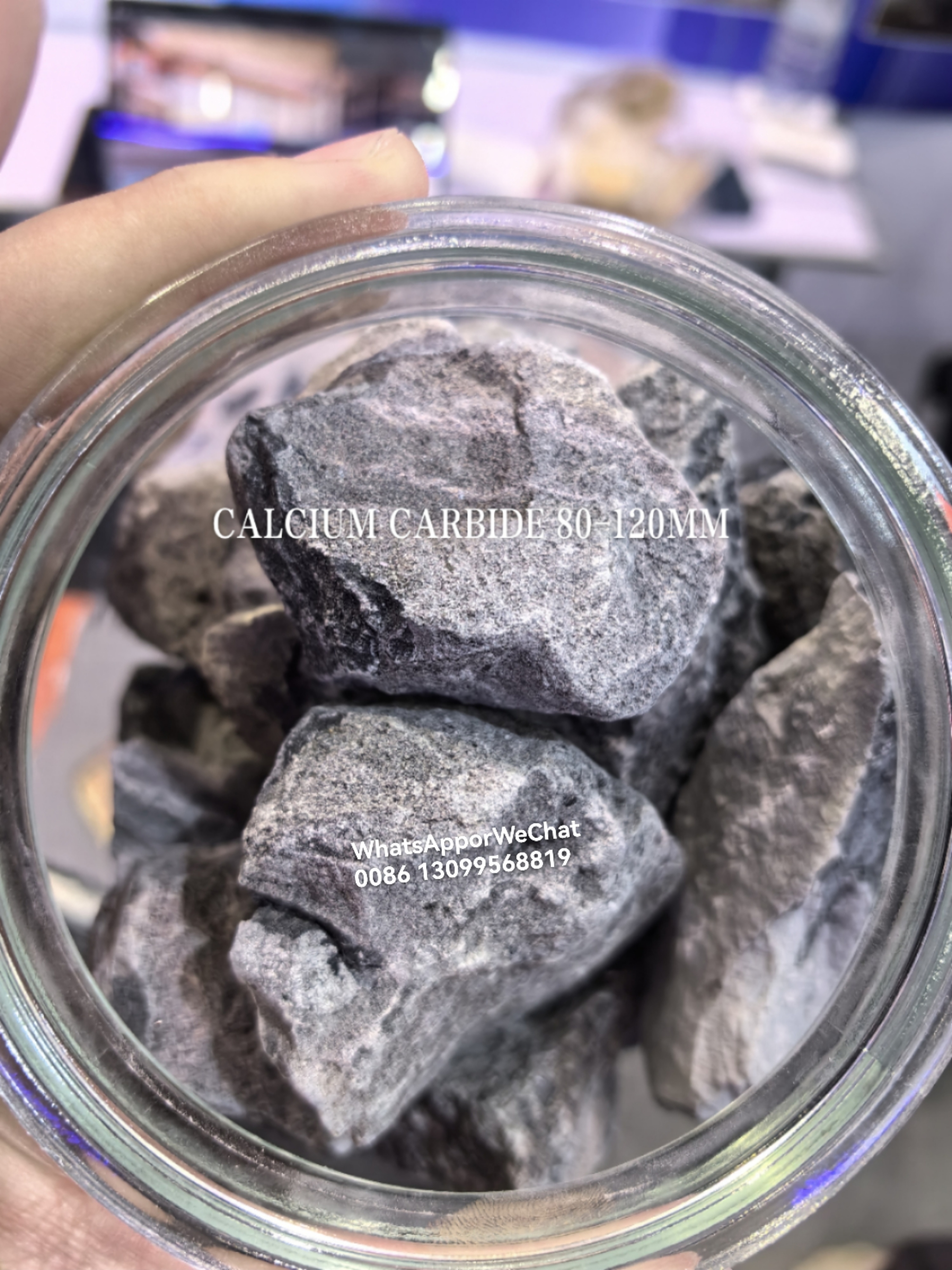
High purity calcium carbide refers to the compound CaC2, which is primarily composed of calcium and carbon atoms. It is a colorless crystalline solid that is highly reactive when exposed to water or moisture. With a high melting point and low volatility, it is well-suited for various industrial processes.
2. Production:
The production of high purity calcium carbide involves a reaction between lime (CaO) and carbonaceous materials, typically petroleum coke or anthracite coal, at extremely high temperatures. This process, known as the electric arc furnace method, ensures the removal of impurities, leading to a higher purity level of calcium carbide.
3. Applications:
3.1 Acetylene Production:
One of the primary applications of high purity calcium carbide is in the production of acetylene gas. When calcium carbide reacts with water, it produces acetylene, which is widely used in welding, metal cutting, and illumination processes. The purity of the calcium carbide is crucial in ensuring the quality and efficiency of acetylene gas production.
3.2 Desulfurization:
High purity calcium carbide is also utilized in desulfurization processes. When calcium carbide is added to molten iron or steel, it reacts with sulfur impurities, forming calcium sulfide. This reaction helps in reducing the sulfur content, thereby improving the quality of the final product.
3.3 Chemical Synthesis:
Calcium carbide acts as a vital intermediate in the synthesis of various chemicals. It serves as a raw material for the production of calcium cyanamide, a nitrogen-based fertilizer. Additionally, it is employed in the synthesis of polyvinyl chloride (PVC), a versatile plastic used in numerous applications.
4. Benefits:
4.1 Energy Efficiency:
The production of high purity calcium carbide requires significant energy input. However, the subsequent reactions and applications of calcium carbide result in energy savings. For instance, the production of acetylene gas from calcium carbide releases a large amount of energy, making it an efficient fuel source for welding and cutting processes.
4.2 Environmental Considerations:
High purity calcium carbide plays a role in environmental preservation by contributing to desulfurization processes. By reducing the sulfur content in iron and steel production, the emission of sulfur dioxide (SO2), a major air pollutant, is minimized. This helps in mitigating the environmental impact of industrial activities.
Conclusion:
High purity calcium carbide holds immense significance in the non-metallic mineral industry, particularly in acetylene production, desulfurization, and chemical synthesis. Its unique properties and versatility make it a valuable compound with various industrial applications. By understanding the properties, production methods, and potential benefits of high purity calcium carbide, professionals in the metallurgy, mineral, and energy sectors can harness its full potential for enhanced productivity and environmental sustainability.
News Hotspot



Our Main Products
Can't find the service you're looking for? Contact us!
To inquire about our products, please leave your email to us and we will contact you within 24 hours.