




China Calcium Calcium Product Provider
The Essential Guide to Tons of Packed Calcium Carbide
Release Time:
2024-01-01
**Table of Contents:** 1. Introduction to Packed Calcium Carbide 2. Applications of Packed Calcium Carbide 3. Production Process of Packed Calcium Carbide 4. Safety Precautions for Handling Packed Calcium Carbide 5. Environmental Impact of Packed Calcium Carbide 6. Advantages and Disadvantages of Packed Calcium Carbide 7. Frequently Asked Questions (FAQs) 8. Conclusion ## 1. Introduction to Packed
**Table of Contents:**
1. Introduction to Packed Calcium Carbide
2. Applications of Packed Calcium Carbide
3. Production Process of Packed Calcium Carbide
4. Safety Precautions for Handling Packed Calcium Carbide
5. Environmental Impact of Packed Calcium Carbide
6. Advantages and Disadvantages of Packed Calcium Carbide
7. Frequently Asked Questions (FAQs)
8. Conclusion
## 1. Introduction to Packed Calcium Carbide
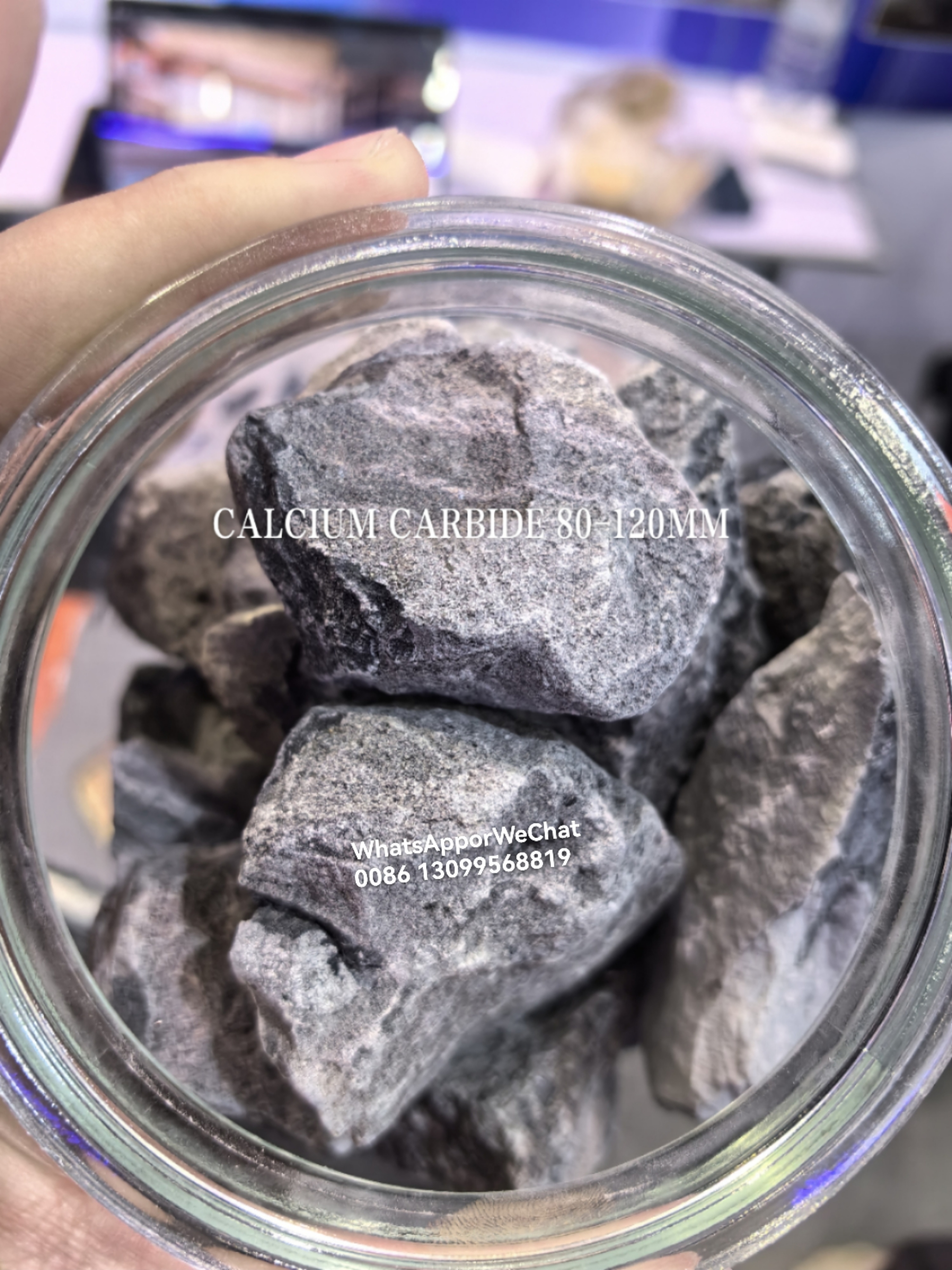
Packed calcium carbide is a versatile and widely used chemical compound in various industries. It is primarily produced through the reaction of calcium oxide and carbon in an electric arc furnace. This process results in the formation of calcium carbide, which is then packed for convenient transportation and storage.
## 2. Applications of Packed Calcium Carbide
Packed calcium carbide finds its applications in several industries due to its unique properties. It is commonly used in the production of acetylene gas, which is crucial for welding and cutting processes in the manufacturing sector. Additionally, packed calcium carbide is utilized in the production of chemicals, such as polyvinyl chloride (PVC) and calcium cyanamide. Furthermore, it plays a vital role in the steelmaking process by acting as a deoxidizer.
## 3. Production Process of Packed Calcium Carbide
The production of packed calcium carbide involves several steps. First, high-quality limestone and coke are carefully selected and crushed. These raw materials are then mixed in precise proportions and fed into an electric arc furnace. The furnace operates at extremely high temperatures, causing a chemical reaction that produces calcium carbide. The resulting calcium carbide is cooled and packed in moisture-resistant containers to preserve its quality.
## 4. Safety Precautions for Handling Packed Calcium Carbide
Handling packed calcium carbide requires adherence to strict safety precautions. As it reacts vigorously with water, it is essential to store and transport it in moisture-resistant containers. Proper ventilation and protective equipment must be used when handling packed calcium carbide to avoid exposure to harmful fumes. Additionally, it is crucial to have a clear understanding of emergency procedures and disposal methods to ensure safe handling practices.
## 5. Environmental Impact of Packed Calcium Carbide
The production and usage of packed calcium carbide can have environmental implications. It is important to consider the potential release of acetylene gas, which is generated when calcium carbide comes into contact with water. Adequate measures should be implemented to capture and treat any emissions to minimize their impact. Furthermore, the responsible disposal of calcium carbide waste is crucial to prevent any adverse effects on the environment.
## 6. Advantages and Disadvantages of Packed Calcium Carbide
Packed calcium carbide offers several advantages and disadvantages. On the positive side, it is a cost-effective and efficient source of acetylene gas, making it indispensable in various industrial processes. Its versatility and ability to be used in the production of essential chemicals add to its value. However, it is important to note that proper handling and storage are necessary due to its reactivity with water. Additionally, the environmental impact and potential hazards associated with packed calcium carbide should be carefully managed.
## 7. Frequently Asked Questions (FAQs)
**Q1: Is packed calcium carbide hazardous?**
A1: Packed calcium carbide can be hazardous if mishandled. It reacts vigorously with water, releasing acetylene gas, which can be flammable and pose safety risks. Therefore, proper precautions and safety measures must be followed during storage, transportation, and usage.
**Q2: Can packed calcium carbide be used in the agricultural industry?**
A2: Yes, packed calcium carbide is commonly utilized in the agricultural industry. It serves as a source of acetylene gas, which can be used for ripening fruits, particularly bananas, and controlling pests in certain crops.
**Q3: What are the potential environmental concerns associated with packed calcium carbide?**
A3: The main environmental concern is the release of acetylene gas during the reaction of calcium carbide with water. Proper management and treatment of emissions are necessary to minimize any adverse effects on the environment.
**Q4: Are there any alternatives to packed calcium carbide?**
A4: While there are alternative methods and substances for specific applications, packed calcium carbide remains a widely used and efficient source of acetylene gas and essential chemicals in various industries.
**Q5: Can packed calcium carbide be stored for extended periods?**
A5: Yes, packed calcium carbide can be stored for extended periods if kept in moisture-resistant containers and under appropriate conditions. However, regular inspections and adherence to safety guidelines are crucial to ensure its stability.
## 8. Conclusion
In conclusion, packed calcium carbide is an essential chemical compound with numerous applications across various industries. Its production process, safety precautions, environmental impact, and advantages make it a valuable resource. By understanding its properties and handling it with care, packed calcium carbide can be effectively utilized to enhance industrial processes, from steelmaking to chemical production. The comprehensive guide provided here equips you with the necessary knowledge to harness the benefits of packed calcium carbide while ensuring safety and sustainability.
News Hotspot



Our Main Products
Can't find the service you're looking for? Contact us!
To inquire about our products, please leave your email to us and we will contact you within 24 hours.