




China Calcium Calcium Product Provider
Unlocking the Power of Tons of Packed Calcium Carbide: A Revolutionary Breakthrough in Metallurgy, Mining, and Energy
Release Time:
2023-12-31
Table of Contents: 1. Introduction: The Remarkable Potential of Calcium Carbide 2. Understanding Calcium Carbide: Chemical Composition and Properties 3. Applications in Metallurgy: Enhancing Steel Production 4. Calcium Carbide in Mining: Expanding Possibilities 5. The Role of Calcium Carbide in Energy Generation 6. Environmental Considerations: Promoting Sustainable Practices 7. Future Prospects a
1. Introduction: The Remarkable Potential of Calcium Carbide
2. Understanding Calcium Carbide: Chemical Composition and Properties
3. Applications in Metallurgy: Enhancing Steel Production
4. Calcium Carbide in Mining: Expanding Possibilities
5. The Role of Calcium Carbide in Energy Generation
6. Environmental Considerations: Promoting Sustainable Practices
7. Future Prospects and Innovations in Calcium Carbide Utilization
8. FAQs: Addressing Common Queries about Calcium Carbide
9. Conclusion: Harnessing the Power of Calcium Carbide for a Brighter Future
1. Introduction: The Remarkable Potential of Calcium Carbide
Calcium carbide is a versatile compound with immense potential across various industries. It is renowned for its ability to generate acetylene gas, making it a key ingredient in the production of plastics, solvents, and pharmaceuticals. However, its applications extend far beyond that. In this article, we delve into the transformative power of tons of packed calcium carbide, exploring its profound impact in the realms of metallurgy, mining, and energy.
2. Understanding Calcium Carbide: Chemical Composition and Properties
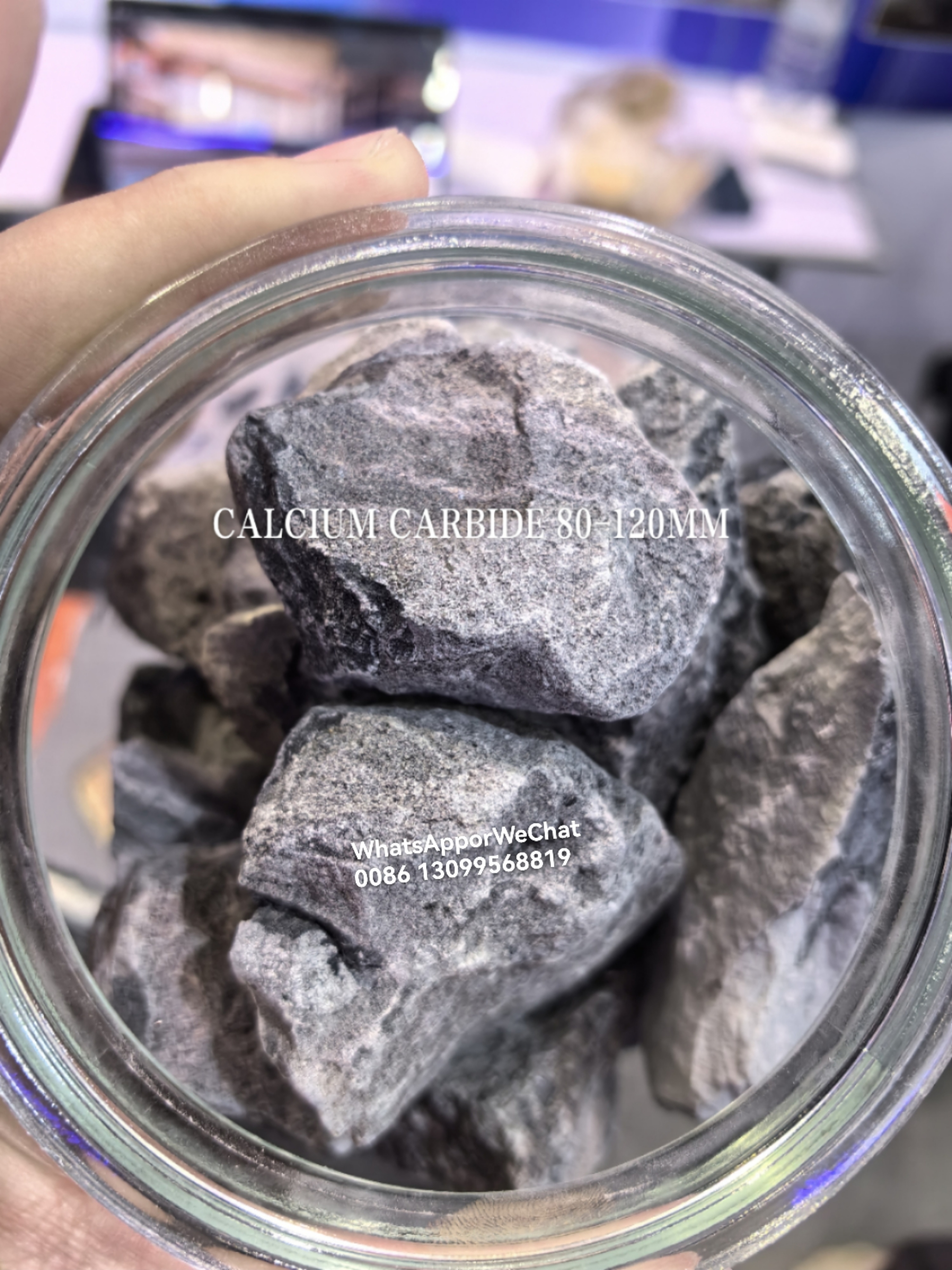
Calcium carbide is primarily composed of calcium and carbon atoms, with a chemical formula of CaC2. This compound is formed through the reaction of quicklime (calcium oxide) and carbonaceous materials under intense heat. The resulting product is a hard, crystalline substance with a range of interesting properties, including its ability to release acetylene gas upon contact with water.
3. Applications in Metallurgy: Enhancing Steel Production
In the field of metallurgy, calcium carbide plays a crucial role in steelmaking. When added to the furnace during the production process, it reacts with impurities, such as sulfur and phosphorus, to form slag. This slag can be easily removed, resulting in cleaner and more refined steel. The use of calcium carbide in steelmaking not only improves the quality of the final product but also enhances operational efficiency.
4. Calcium Carbide in Mining: Expanding Possibilities
Mining operations heavily rely on calcium carbide for various applications. One notable example is its use in the production of acetylene lamps, which have been instrumental in providing illumination in underground mines. Additionally, calcium carbide can be utilized as a desulfurizing agent in ore smelting processes, helping to reduce harmful emissions and improve overall environmental sustainability in the mining industry.
5. The Role of Calcium Carbide in Energy Generation
Calcium carbide also holds immense potential in the field of energy generation. Its ability to produce acetylene gas makes it suitable for applications such as welding and cutting, as well as for use in fuel cells and generators. The controlled combustion of acetylene gas can provide a reliable and efficient source of energy, offering an alternative to traditional fossil fuels.
6. Environmental Considerations: Promoting Sustainable Practices
As the world embraces sustainable practices, the use of calcium carbide offers numerous environmental benefits. Its role in reducing sulfur and phosphorus content in steelmaking contributes to cleaner air quality and minimizes the impact of harmful emissions on the environment. Furthermore, the use of acetylene gas as a cleaner energy source aligns with the global shift towards renewable and eco-friendly energy alternatives.
7. Future Prospects and Innovations in Calcium Carbide Utilization
The future of calcium carbide looks promising, with ongoing research and development focused on expanding its applications. Scientists and engineers are exploring ways to maximize its potential in diverse industries, from agriculture to pharmaceuticals. The continuous innovation in calcium carbide utilization presents exciting possibilities for sustainable development and economic growth.
8. FAQs: Addressing Common Queries about Calcium Carbide
Q1: Is calcium carbide hazardous?
Q2: Can calcium carbide be used in agriculture?
Q3: What safety precautions should be taken when handling calcium carbide?
Q4: Are there any alternative substances for calcium carbide?
Q5: How does calcium carbide contribute to reducing greenhouse gas emissions?
9. Conclusion: Harnessing the Power of Calcium Carbide for a Brighter Future
In conclusion, the power of calcium carbide cannot be underestimated in metallurgy, mining, and energy generation. This remarkable compound offers a multitude of applications and benefits across various industries. From enhancing steel production to promoting sustainable practices and driving innovation, calcium carbide unlocks a world of possibilities for a brighter and more sustainable future. Embrace the potential of calcium carbide and witness the transformative impact it can have on your industry.
News Hotspot



Our Main Products
Can't find the service you're looking for? Contact us!
To inquire about our products, please leave your email to us and we will contact you within 24 hours.