




China Calcium Calcium Product Provider
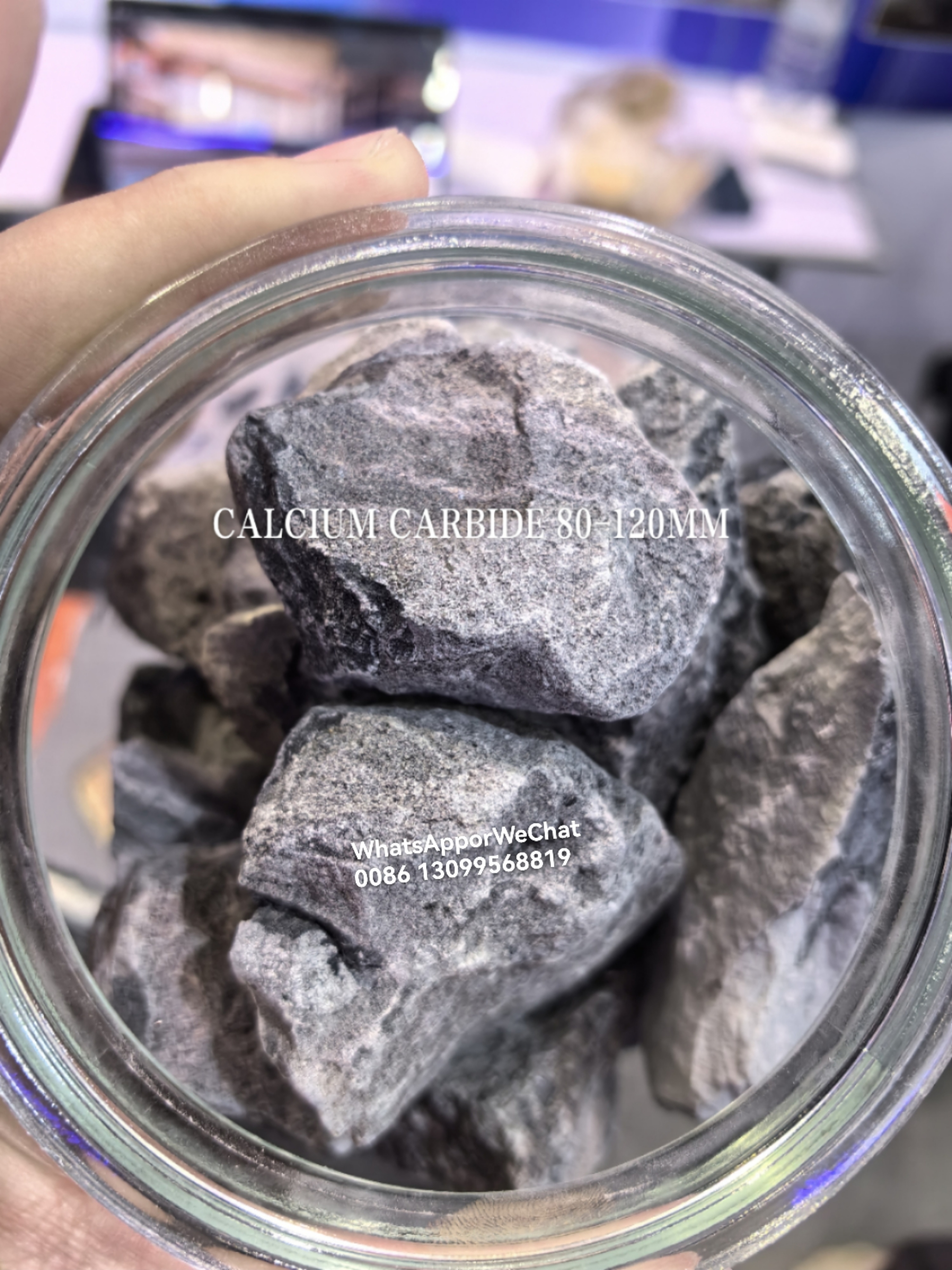
Calcium Carbide Raw Materials: Essential for the Non-Metallic Minerals Industry
Release Time:
2023-12-31
Introduction: In the realm of non-metallic minerals, the energy-intensive and dynamic industry of electrochemical production plays a crucial role. As a key component, calcium carbide raw materials have become indispensable in various processes and applications. This article will delve into the significance and diverse uses of calcium carbide raw materials in the non-metallic minerals industry. 1.
In the realm of non-metallic minerals, the energy-intensive and dynamic industry of electrochemical production plays a crucial role. As a key component, calcium carbide raw materials have become indispensable in various processes and applications. This article will delve into the significance and diverse uses of calcium carbide raw materials in the non-metallic minerals industry.
1. Calcium Carbide Production:
Calcium carbide raw materials are primarily used in the production of calcium carbide, a chemical compound widely employed in industries such as mining, metallurgy, and gas applications. Calcium carbide is synthesized by heating lime and coal at high temperatures, resulting in the formation of calcium carbide and carbon monoxide. This process is known as the electric arc furnace method.
2. Acetylene Gas Generation:
One of the primary applications of calcium carbide is in the production of acetylene gas. When calcium carbide reacts with water, it yields acetylene gas, which finds extensive use in welding, cutting, and various industrial processes. Acetylene gas is highly flammable and serves as a vital component in oxyacetylene torches used for metal fabrication and other applications.
3. Desulfurization in Steelmaking:
Calcium carbide raw materials also play a significant role in the desulfurization process during steelmaking. In this process, calcium carbide is added to the molten iron, reacting with the sulfur present to form calcium sulfide. This reaction helps reduce the sulfur content in the steel, improving its quality and enhancing its mechanical properties.
4. Carbide Lamps:
Historically, calcium carbide was used as a source of illumination in carbide lamps. These lamps work by the reaction of water with the calcium carbide, producing acetylene gas, which is then burned to create a bright light. Although carbide lamps are now largely replaced by electric lighting, they still find applications in mining, spelunking, and other activities requiring portable lighting in extreme conditions.
5. Chemical Synthesis and Pharmaceuticals:
Calcium carbide raw materials serve as precursors for various chemical syntheses, including the production of ethylene, a vital chemical used in the manufacturing of plastics and other polymers. Additionally, calcium carbide derivatives find applications in the pharmaceutical industry, acting as intermediates in the synthesis of certain medications and organic compounds.
Conclusion:
In the realm of non-metallic minerals, the utilization of calcium carbide raw materials is indispensable. From its involvement in the production of acetylene gas, desulfurization in steelmaking, to its historical use in carbide lamps, calcium carbide raw materials continue to play pivotal roles in various industrial processes. With its diverse applications, this essential component contributes significantly to the dynamic nature of the non-metallic minerals industry.
News Hotspot



Our Main Products
Can't find the service you're looking for? Contact us!
To inquire about our products, please leave your email to us and we will contact you within 24 hours.