




China Calcium Calcium Product Provider
All You Need to Know About Carbide Blocks in the Metallurgy, Minerals, and Energy Industry
Release Time:
2023-12-29
Introduction: Carbide blocks play a vital role in the metallurgy, minerals, and energy industry, specifically in the realm of hard alloys. In this article, we delve into the world of carbide blocks, exploring their applications, benefits, and significance in various sectors. 1. What are Carbide Blocks? Carbide blocks are composite materials comprised of carbide particles bonded together by a metal
Carbide blocks play a vital role in the metallurgy, minerals, and energy industry, specifically in the realm of hard alloys. In this article, we delve into the world of carbide blocks, exploring their applications, benefits, and significance in various sectors.
1. What are Carbide Blocks?
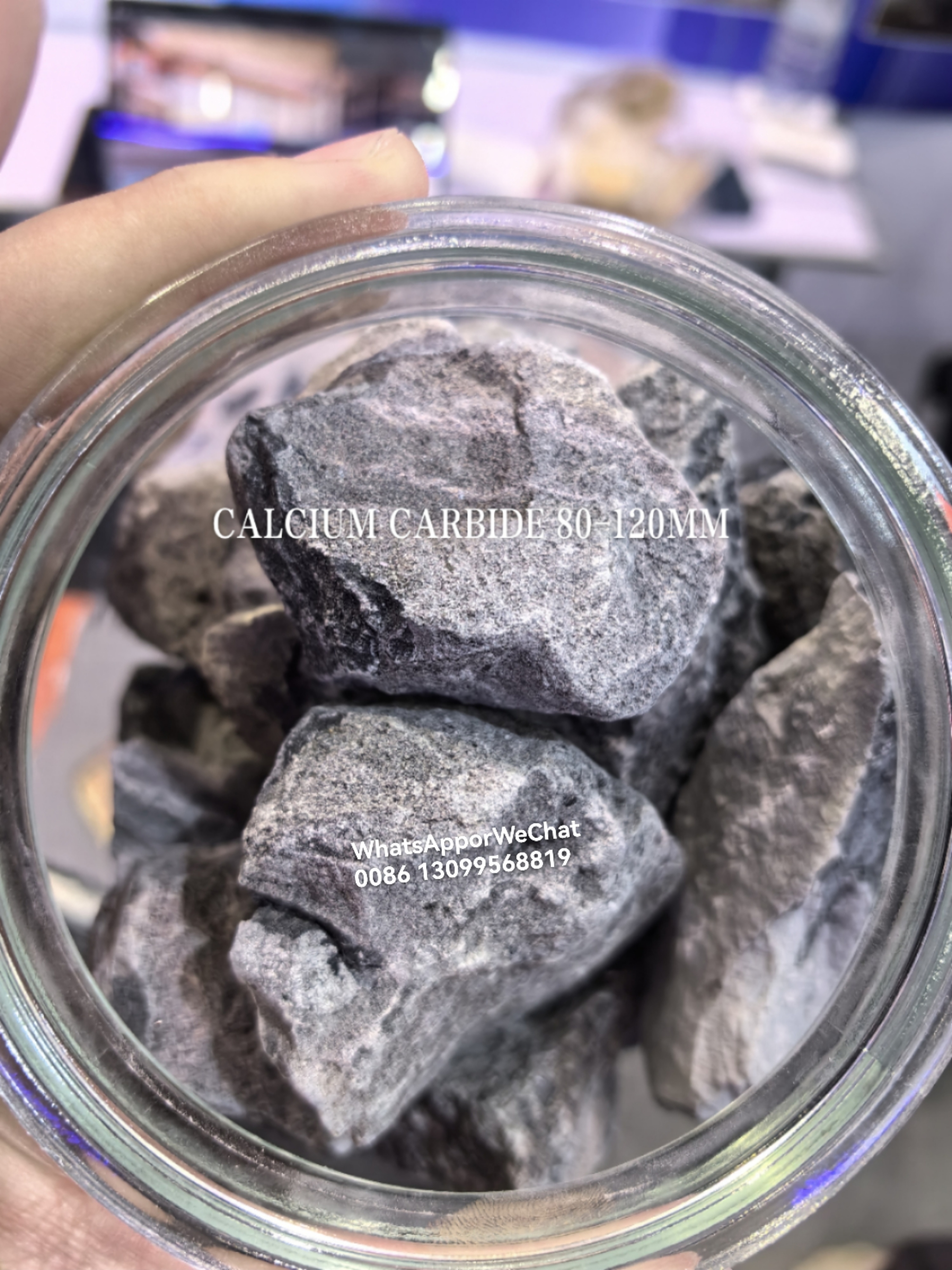
Carbide blocks are composite materials comprised of carbide particles bonded together by a metallic binder. The most commonly used carbide material is tungsten carbide due to its exceptional hardness and wear resistance. These blocks are typically manufactured through powder metallurgy techniques, resulting in a dense and durable product.
2. Applications of Carbide Blocks:
Carbide blocks find widespread use in diverse industries. In the metallurgy sector, they are employed in the production of cutting tools, such as drills, end mills, and inserts, as well as in wear parts for mining and construction equipment. Additionally, carbide blocks are utilized in the energy industry for wear-resistant components in oil and gas drilling operations.
3. Benefits of Carbide Blocks:
Carbide blocks offer several advantages that make them highly sought after in various industries. Their exceptional hardness ensures prolonged tool life, reducing the need for frequent replacements. Moreover, carbide blocks exhibit excellent resistance to wear, corrosion, and high temperatures, enhancing their longevity and performance in demanding environments. Furthermore, their high strength and toughness contribute to improved productivity and efficiency.
4. Significance in the Metallurgy, Minerals, and Energy Industry:
In the metallurgy, minerals, and energy industry, carbide blocks are of utmost importance due to their ability to withstand extreme conditions. With their remarkable wear resistance and hardness, they enable efficient and precise machining of tough materials, leading to enhanced productivity and cost savings. Additionally, their resistance to heat and corrosion ensures their longevity, making them indispensable components in critical applications.
Conclusion:
Carbide blocks are essential in the metallurgy, minerals, and energy industry, serving as a cornerstone in the development of hard alloys. Their remarkable properties, including hardness, wear resistance, and high-temperature stability, make them invaluable in various applications. Whether in cutting tools or wear-resistant components, carbide blocks continue to play a vital role in advancing the efficiency and productivity of industries worldwide.
News Hotspot



Our Main Products
Can't find the service you're looking for? Contact us!
To inquire about our products, please leave your email to us and we will contact you within 24 hours.