




China Calcium Calcium Product Provider
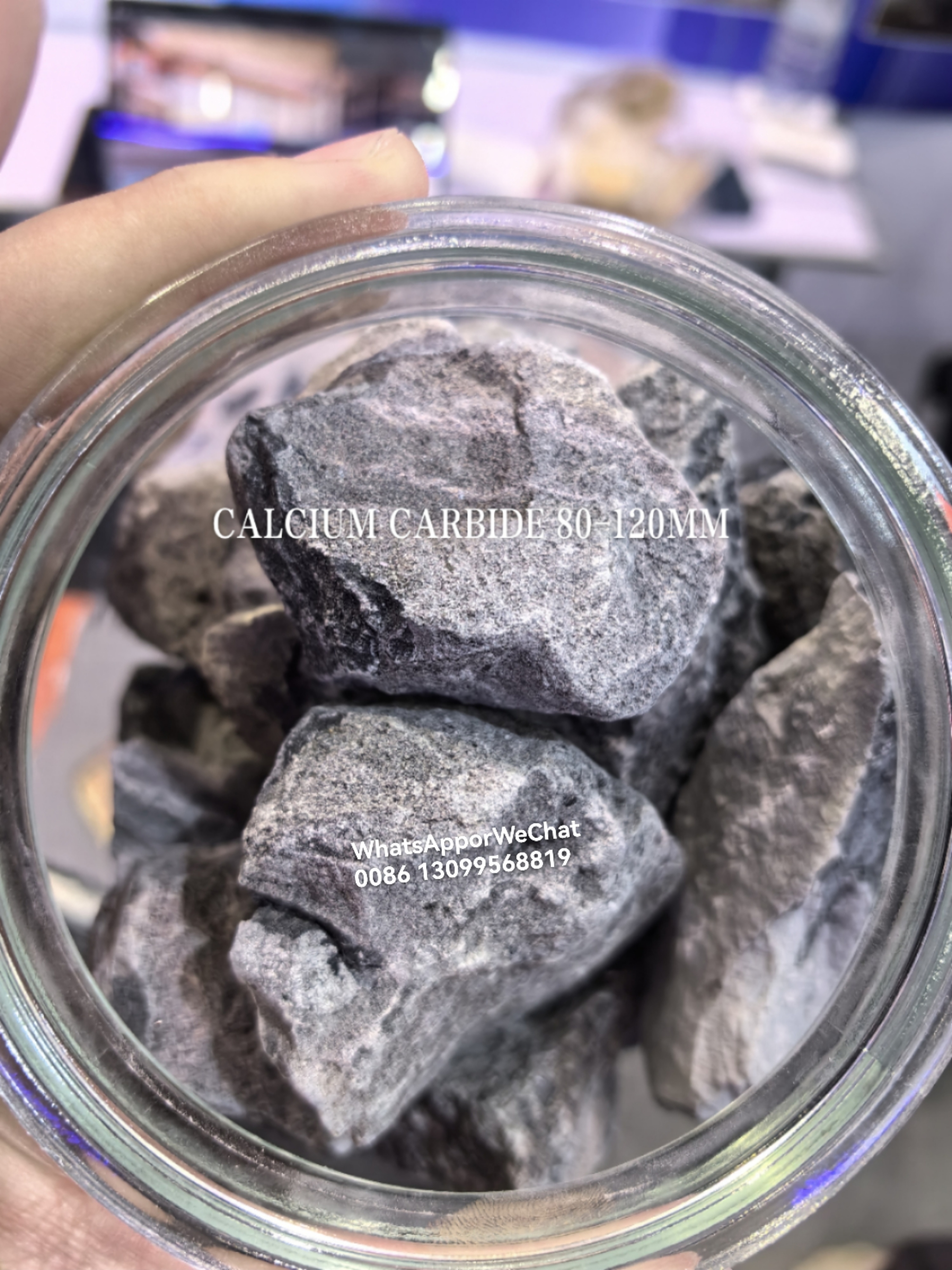
Carbide Blocks: An Essential Component of the Metallurgy and Energy Industry
Release Time:
2023-12-28
Carbide blocks play a crucial role in the metallurgy, mineral, and energy industry, specifically in the production of alloys and hard alloys. These blocks, composed of a combination of carbon and metal, exhibit exceptional strength, durability, and heat resistance. Let's delve into the world of carbide blocks and explore their applications and benefits. One of the primary applications of carbide b
One of the primary applications of carbide blocks is in alloy production. By adding carbide blocks to the molten metal, manufacturers can enhance the properties of the resulting alloy. Carbide blocks improve the hardness, wear resistance, and strength of alloys, making them ideal for various industrial applications. Additionally, the incorporation of carbide blocks enhances the alloy's resistance to high temperatures, corrosion, and oxidation.
In the manufacturing of hard alloys, carbide blocks are indispensable. Hard alloys, also known as cemented carbides, are widely used in cutting tools, drilling equipment, and wear-resistant parts. Carbide blocks serve as the main component of hard alloys, providing them with exceptional hardness and toughness. The combination of a metal binder and carbide blocks results in a material capable of withstanding extreme conditions and delivering superior performance.
The unique properties of carbide blocks stem from their composition. Typically, tungsten carbide, titanium carbide, or tantalum carbide are mixed with a metal binder such as cobalt or nickel to form these blocks. Tungsten carbide blocks are particularly renowned for their exceptional hardness and wear resistance. The precise composition and manufacturing process of carbide blocks can be tailored to meet specific requirements, making them highly versatile in the metallurgy and energy industry.
Carbide blocks find applications in a multitude of industries beyond metallurgy and energy. They are utilized in the production of cutting tools for machining operations, mining tools for excavation and drilling, and even in the production of jewelry. The versatility and durability of carbide blocks make them indispensable across various sectors.
In conclusion, carbide blocks are vital components in the metallurgy, mineral, and energy industry. Their exceptional properties, including hardness, heat resistance, and durability, make them invaluable for alloy production and hard alloy manufacturing. With their diverse applications and numerous benefits, carbide blocks have become an indispensable part of multiple industries, ensuring enhanced performance and longevity in various applications.
News Hotspot



Our Main Products
Can't find the service you're looking for? Contact us!
To inquire about our products, please leave your email to us and we will contact you within 24 hours.