




China Calcium Calcium Product Provider
How Calcium Carbide is Used in Non-metallic Mineral Production
Release Time:
2023-12-27
Table of Contents: 1. Introduction 2. Understanding Calcium Carbide 3. Calcium Carbide in Non-metallic Mineral Production 3.1. Calcium Carbide in Cement Production 3.2. Calcium Carbide in Steel Making 3.3. Calcium Carbide in Ceramic Production 3.4. Calcium Carbide in Glass Manufacturing 4. Benefits of Calcium Carbide in Non-metallic Mineral Production 4.1. Enhanced Cement Strength a
Table of Contents:
1. Introduction
2. Understanding Calcium Carbide
3. Calcium Carbide in Non-metallic Mineral Production
3.1. Calcium Carbide in Cement Production
3.2. Calcium Carbide in Steel Making
3.3. Calcium Carbide in Ceramic Production
3.4. Calcium Carbide in Glass Manufacturing
4. Benefits of Calcium Carbide in Non-metallic Mineral Production
4.1. Enhanced Cement Strength and Durability
4.2. Precise Steel Composition Control
4.3. Improved Ceramic Quality and Performance
4.4. Efficient Glass Melting and Refining
5. FAQs
5.1. What is the chemical composition of calcium carbide?
5.2. Is calcium carbide harmful to the environment?
5.3. Can calcium carbide be used in other industries?
5.4. How is calcium carbide produced?
5.5. What safety precautions should be taken when handling calcium carbide?
6. Conclusion
1. Introduction
In the realm of non-metallic mineral production, calcium carbide plays a crucial role. This article delves into the diverse applications of calcium carbide and highlights its significance in cement production, steel making, ceramic production, and glass manufacturing. Discover the benefits it brings to each sector and how it contributes to the overall production of non-metallic minerals.
2. Understanding Calcium Carbide
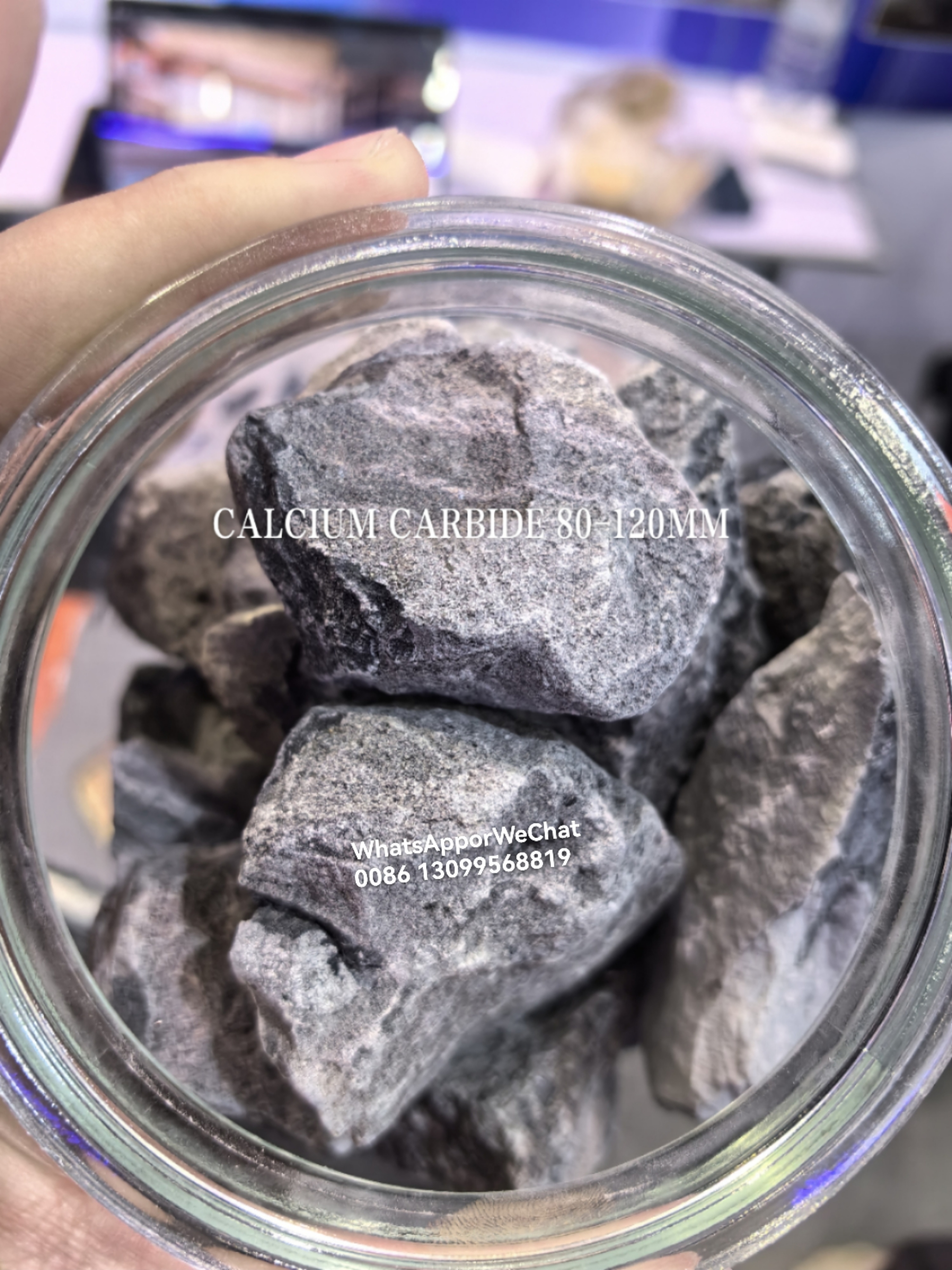
Calcium carbide, with the chemical formula CaC2, is a compound primarily composed of calcium and carbon. It is produced through a reaction between calcium oxide and carbonaceous materials in an electric arc furnace. This process results in the formation of calcium carbide, which appears as a crystalline solid with a grayish-black color.
3. Calcium Carbide in Non-metallic Mineral Production
3.1. Calcium Carbide in Cement Production
Calcium carbide is used as a key component in the production of cement. When water is added to calcium carbide, it undergoes a chemical reaction, releasing acetylene gas. This gas helps in the production of heat and accelerates the cement hydration process, thereby enhancing the strength and durability of the final cement product.
3.2. Calcium Carbide in Steel Making
In the steel industry, calcium carbide is utilized for precise control over the composition of steel. By introducing calcium carbide into the molten iron bath, it reacts with impurities such as sulfur and phosphorous, forming calcium sulfide and calcium phosphate. These by-products can be easily removed, resulting in refined steel with improved quality and properties.
3.3. Calcium Carbide in Ceramic Production
Calcium carbide finds its application in ceramic production as a source of carbon and energy during the firing process. When calcium carbide is added to the ceramic mixture, it decomposes, releasing acetylene gas. This gas acts as a reducing agent, removing oxygen from metal oxides and facilitating the formation of desired ceramic structures, enhancing the quality and performance of ceramics.
3.4. Calcium Carbide in Glass Manufacturing
In the glass manufacturing industry, calcium carbide plays a vital role in the melting and refining process. When added to the raw materials, calcium carbide reacts with silica, reducing it to silicon metal. This reaction helps in lowering the melting point of glass and improving its fluidity, making it easier to shape and refine into the desired glass products.
4. Benefits of Calcium Carbide in Non-metallic Mineral Production
4.1. Enhanced Cement Strength and Durability
The inclusion of calcium carbide in cement production improves the strength and durability of the final product. The rapid release of acetylene gas during hydration enhances the chemical reactions, leading to a more compact and robust cement structure.
4.2. Precise Steel Composition Control
By using calcium carbide in steel making, manufacturers can precisely control the composition of steel. The removal of impurities through calcium carbide reactions results in steel with enhanced mechanical properties and reduced brittleness.
4.3. Improved Ceramic Quality and Performance
Calcium carbide aids in the production of high-quality ceramics by acting as a reducing agent. It fosters the formation of desired ceramic structures, ensuring superior performance and durability of the final ceramic products.
4.4. Efficient Glass Melting and Refining
The addition of calcium carbide in glass manufacturing optimizes the melting and refining process. It lowers the melting point of glass, making it easier to shape and refine, while also improving the fluidity and overall quality of the final glass products.
5. FAQs
5.1. What is the chemical composition of calcium carbide?
Calcium carbide has a chemical composition of CaC2, consisting of one calcium atom and two carbon atoms.
5.2. Is calcium carbide harmful to the environment?
Calcium carbide can be harmful if mishandled or improperly disposed of. It reacts violently with water, producing acetylene gas, which is highly flammable. Proper safety precautions must be followed during its production, handling, and disposal to minimize environmental risks.
5.3. Can calcium carbide be used in other industries?
Yes, calcium carbide finds applications in various industries such as mining, pharmaceuticals, and organic synthesis. Its versatility stems from its ability to release acetylene gas upon contact with water, making it useful in numerous chemical reactions and processes.
5.4. How is calcium carbide produced?
Calcium carbide is produced by heating lime (calcium oxide) and carbonaceous materials, such as coke or coal, in an electric arc furnace. The reaction takes place at high temperatures, resulting in the formation of calcium carbide.
5.5. What safety precautions should be taken when handling calcium carbide?
When handling calcium carbide, it is essential to wear appropriate protective gear, including gloves and eye protection, to prevent direct contact with the compound. It should be stored in a cool, dry place away from sources of ignition and incompatible materials.
6. Conclusion
Calcium carbide serves as a valuable component in non-metallic mineral production. Its applications in cement production, steel making, ceramic production, and glass manufacturing contribute to the overall quality and efficiency of these industries. By understanding its benefits and utilizing it effectively, manufacturers can enhance their processes and produce superior non-metallic mineral products.
News Hotspot



Our Main Products
Can't find the service you're looking for? Contact us!
To inquire about our products, please leave your email to us and we will contact you within 24 hours.