




China Calcium Calcium Product Provider
Exploring the Applications of Calcium Carbide in Electrochemical Industries: A Versatile Compound for Sustainable Energy Solutions
Release Time:
2023-12-27
Table of Contents 1. Introduction to Calcium Carbide 2. Understanding Electrochemical Industries 3. The Role of Calcium Carbide in Electrochemical Reactions 4. Electrolysis: Unlocking the Potential of Calcium Carbide 5. Calcium Carbide for Hydrogen Production 6. Calcium Carbide in Acetylene Production 7. Calcium Carbide's Role in Steelmaking 8. Other Promising Applications of Calcium Carbide 9. Th
1.
Introduction to Calcium Carbide
2.
Understanding Electrochemical Industries
3.
The Role of Calcium Carbide in Electrochemical Reactions
4.
Electrolysis: Unlocking the Potential of Calcium Carbide
5.
Calcium Carbide for Hydrogen Production
6.
Calcium Carbide in Acetylene Production
7.
Calcium Carbide's Role in Steelmaking
8.
Other Promising Applications of Calcium Carbide
9.
The Advantages of Calcium Carbide in Electrochemical Industries
10.
Efficiency and Cost-effectiveness
11.
Sustainability and Environmental Benefits
12.
Versatility and Adaptability
13.
Frequently Asked Questions (FAQs)
14.
What is the composition of calcium carbide?
15.
Is calcium carbide hazardous?
16.
How is calcium carbide used in the production of acetylene?
17.
What safety precautions should be taken when handling calcium carbide?
18.
Can calcium carbide be used in other industries apart from electrochemistry?
19.
Conclusion
Introduction to Calcium Carbide
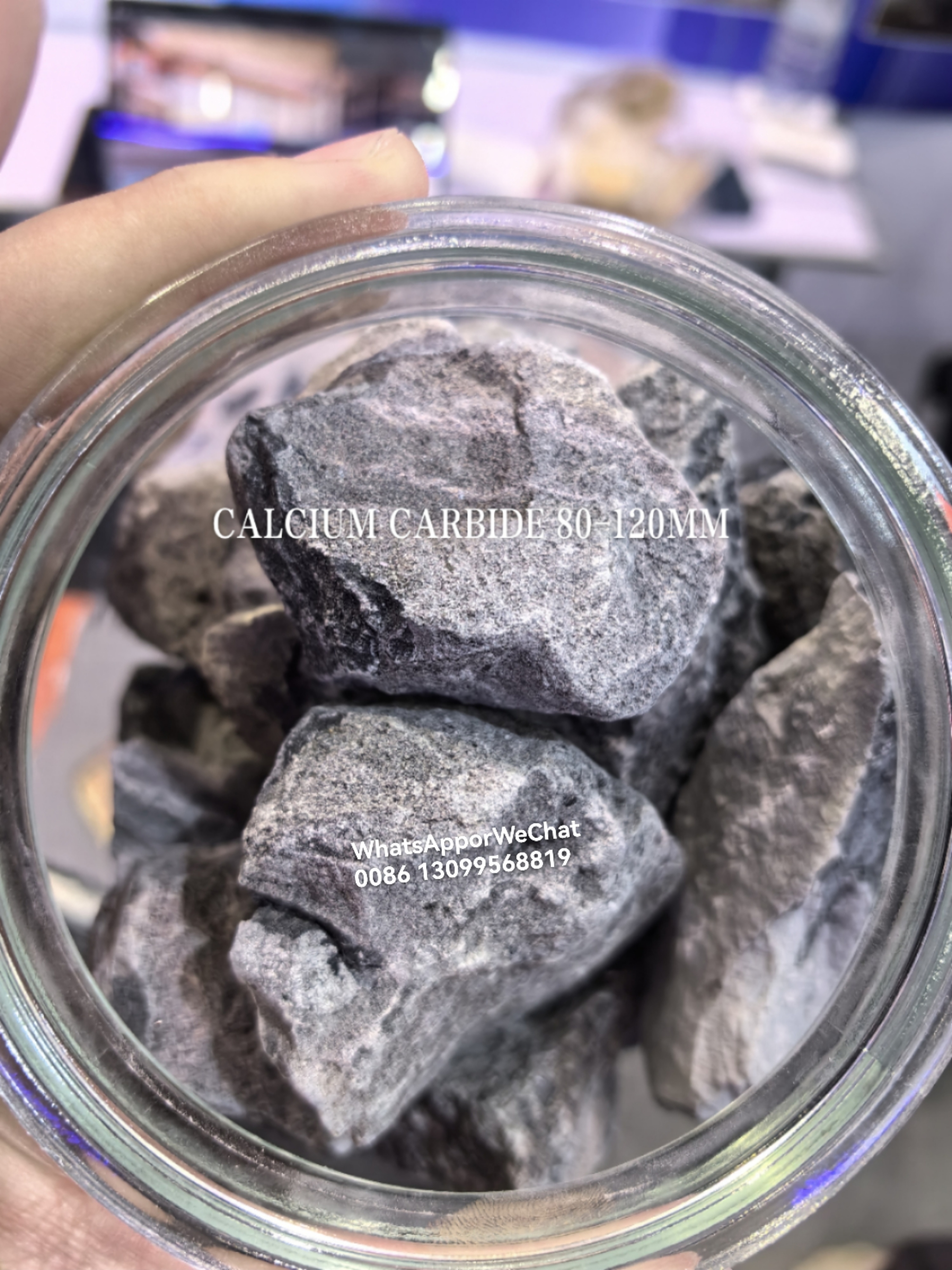
Calcium carbide, a chemical compound composed of calcium and carbon, has long been recognized for its versatile properties. This article aims to shed light on the significant role of calcium carbide in electrochemical industries and its potential in driving sustainable energy solutions.
Understanding Electrochemical Industries
Electrochemical industries encompass a wide range of processes that involve the conversion of chemical energy into electrical energy and vice versa. These industries play a pivotal role in various sectors, including energy production, chemical manufacturing, and materials development.
The Role of Calcium Carbide in Electrochemical Reactions
Calcium carbide acts as a catalyst or reactant in many electrochemical reactions, contributing to the efficiency and effectiveness of various processes. Let's explore some of the key applications of calcium carbide in the electrochemical industry.
Electrolysis: Unlocking the Potential of Calcium Carbide
Electrolysis, a fundamental process in electrochemical industries, involves the decomposition of a compound through the application of electrical energy. Calcium carbide plays a crucial role as a reactant in electrolysis, facilitating the production of various valuable chemicals and metals.
Calcium Carbide for Hydrogen Production
Hydrogen, as a clean and versatile energy carrier, is gaining traction in the quest for sustainable energy solutions. Calcium carbide can be utilized in hydrolysis reactions to produce hydrogen gas, which can further be used in fuel cells, transportation, and other applications.
Calcium Carbide in Acetylene Production
Acetylene, an important industrial compound, finds extensive use in welding, cutting, and chemical synthesis. Calcium carbide serves as a precursor in the production of acetylene, enabling its widespread use across various industries.
Calcium Carbide's Role in Steelmaking
The steel industry heavily relies on calcium carbide for desulfurization purposes. Calcium carbide reacts with sulfur, forming calcium sulfide and removing impurities from the steel, resulting in higher quality and more durable steel products.
Other Promising Applications of Calcium Carbide
Apart from the aforementioned applications, calcium carbide exhibits potential in electrochemical processes like calcium cyanamide production, carbide lamps, and more. Ongoing research and development continue to unveil new possibilities for this versatile compound.
The Advantages of Calcium Carbide in Electrochemical Industries
The utilization of calcium carbide in electrochemical processes offers several advantages, contributing to the advancement of sustainable energy solutions. Let's delve into some of these benefits.
Efficiency and Cost-effectiveness
Calcium carbide enables efficient and cost-effective electrochemical reactions, providing higher yields and reducing production costs. Its catalytic properties enhance the overall energy conversion process, making it an attractive choice for industries.
Sustainability and Environmental Benefits
By facilitating the production of clean energy carriers like hydrogen and supporting desulfurization processes, calcium carbide helps reduce greenhouse gas emissions and promote sustainable practices in the electrochemical industry.
Versatility and Adaptability
The versatility of calcium carbide allows for its integration into various electrochemical applications. Its adaptability to different reaction conditions and processes makes it a valuable asset for industries seeking innovative solutions.
Frequently Asked Questions (FAQs)
1.
What is the composition of calcium carbide?
Calcium carbide is composed of calcium and carbon atoms, with the chemical formula CaC2.
2.
Is calcium carbide hazardous?
Calcium carbide can be hazardous if mishandled or inappropriately stored. It releases acetylene gas, which is highly flammable and can be dangerous if not handled with proper precautions.
3.
How is calcium carbide used in the production of acetylene?
Calcium carbide undergoes hydrolysis to produce acetylene gas, which is then captured and utilized for various industrial applications such as welding and chemical synthesis.
4.
What safety precautions should be taken when handling calcium carbide?
When handling calcium carbide, it is crucial to use appropriate personal protective equipment, store it in a cool and dry place, and avoid any contact with water or moisture.
5.
Can calcium carbide be used in other industries apart from electrochemistry?
Yes, calcium carbide finds applications in various industries, including steelmaking, mining, and as a precursor for other chemical compounds.
Conclusion
In conclusion, calcium carbide exhibits immense potential in driving sustainable energy solutions and enhancing the efficiency of electrochemical industries. Its versatility and diverse applications make it a crucial component for various processes, ranging from hydrogen production to acetylene synthesis. As industries continue to explore innovative solutions, calcium carbide promises to play a pivotal role in shaping the future of electrochemical industries.
News Hotspot



Our Main Products
Can't find the service you're looking for? Contact us!
To inquire about our products, please leave your email to us and we will contact you within 24 hours.