




China Calcium Calcium Product Provider
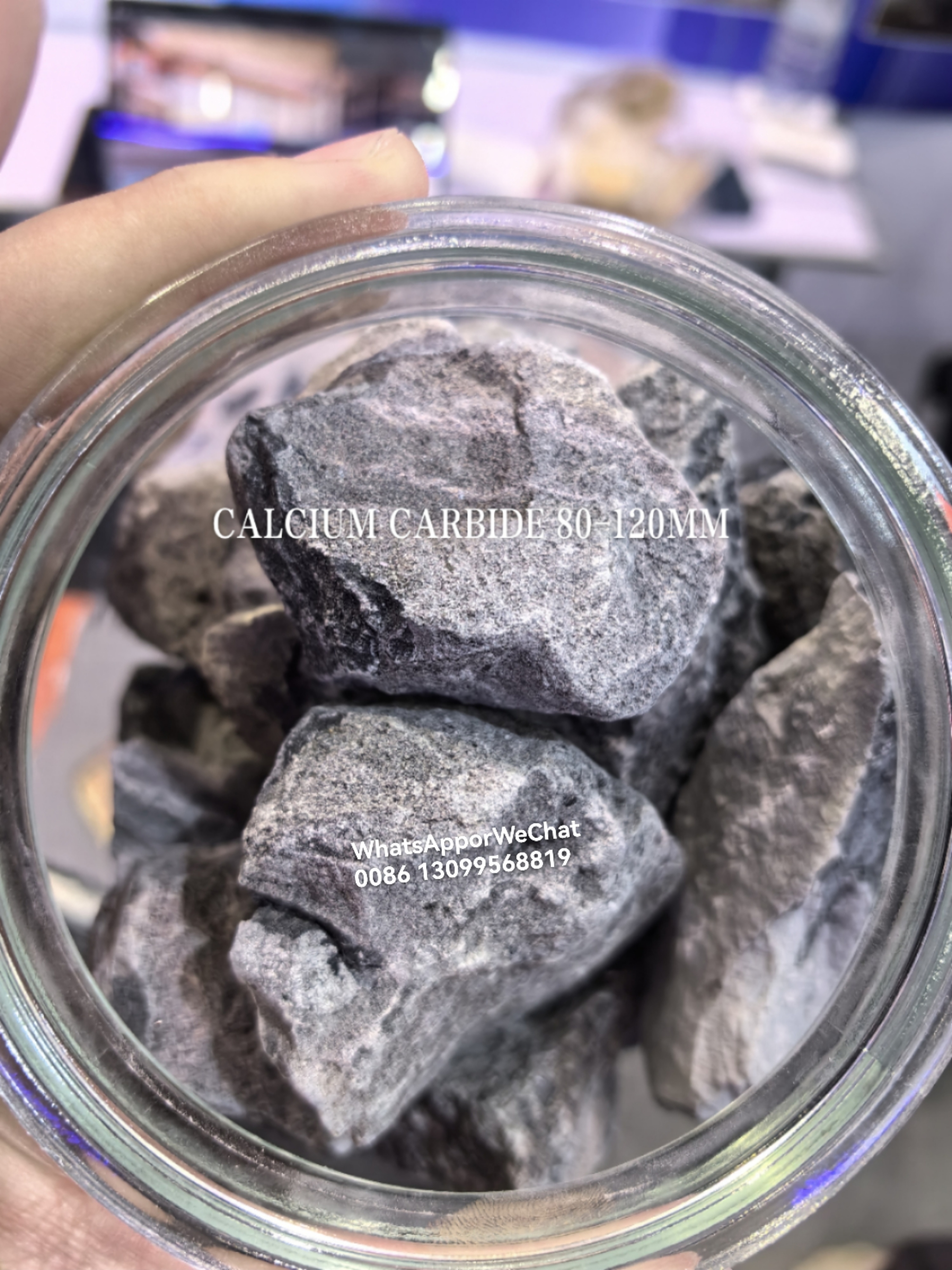
Boost Efficiency in Non-Metallic Mineral Production with Calcium Carbide Particles
Release Time:
2023-12-18
In this article, we explore how the utilization of calcium carbide particles can significantly enhance efficiency and productivity in the non-metallic mineral production industry.
Table of Contents:
1. Introduction
2. Understanding Non-Metallic Mineral Production
3. The Role of Calcium Carbide Particles in Boosting Efficiency
4. Key Benefits of Using Calcium Carbide Particles
5. Applications of Calcium Carbide Particles in Non-Metallic Mineral Production
6. Best Practices for Incorporating Calcium Carbide Particles
7. Frequently Asked Questions (FAQs)
8. Conclusion
1. Introduction
In this article, we explore how the utilization of calcium carbide particles can significantly enhance efficiency and productivity in the non-metallic mineral production industry. By understanding the role of calcium carbide particles, their benefits, and best practices for incorporating them, you can optimize your operations and stay ahead in this competitive market.
2. Understanding Non-Metallic Mineral Production
Non-metallic minerals play a vital role in various industries, including construction, agriculture, and manufacturing. These minerals encompass a wide range of resources such as limestone, silica, gypsum, clay, and more. Non-metallic mineral production involves extracting and processing these minerals for different applications.
3. The Role of Calcium Carbide Particles in Boosting Efficiency
Calcium carbide particles have emerged as a game-changer in the non-metallic mineral production process. These particles act as catalysts, accelerating chemical reactions and reducing the energy required for certain processes. By introducing calcium carbide particles, industries can significantly boost efficiency, reduce production time, and enhance overall productivity.
4. Key Benefits of Using Calcium Carbide Particles
4.1 Increased Production Rate
The application of calcium carbide particles enables faster chemical reactions, leading to an increased rate of mineral production. This allows industries to meet growing demands efficiently and maintain a competitive edge in the market.
4.2 Energy Efficiency
By acting as catalysts, calcium carbide particles minimize the energy required for specific reactions during non-metallic mineral production. This results in substantial energy savings, reducing operational costs and creating a more sustainable production process.
4.3 Enhanced Product Quality
The incorporation of calcium carbide particles ensures a more controlled and precise reaction, leading to improved product quality. This enhancement is particularly crucial for industries that rely on high-quality non-metallic minerals for their end products.
4.4 Waste Reduction
Calcium carbide particles offer the advantage of reducing waste generation during mineral production. The optimized reaction process facilitated by these particles minimizes by-products, contributing to a more sustainable and environmentally friendly operation.
5. Applications of Calcium Carbide Particles in Non-Metallic Mineral Production
5.1 Limestone Processing
Calcium carbide particles are commonly used in limestone processing, where they assist in the quick and efficient extraction of calcium oxide. This application is crucial in industries that rely on limestone as a raw material, such as cement production.
5.2 Silica Purification
In the production of high-quality silica, calcium carbide particles aid in the purification process by effectively removing impurities. This ensures the final product meets the required standards and is suitable for various applications, including glass manufacturing.
5.3 Gypsum Production
Calcium carbide particles play a significant role in gypsum production, enabling the precise control of chemical reactions during the dehydration process. This results in the production of high-purity gypsum, widely used in construction materials.
6. Best Practices for Incorporating Calcium Carbide Particles
6.1 Proper Safety Measures
When incorporating calcium carbide particles, it is crucial to follow all safety protocols. This includes handling the particles with care, ensuring proper ventilation, and wearing appropriate protective gear.
6.2 Accurate Dosage
Determining the correct dosage of calcium carbide particles is essential for achieving optimal results. Industry experts recommend conducting thorough trials and adjusting the dosage based on the desired outcomes.
6.3 Regular Monitoring and Maintenance
To ensure continuous efficiency improvements, it is important to monitor the performance of calcium carbide particle applications regularly. This includes evaluating reaction rates, product quality, and overall process efficiency. Regular maintenance of equipment and machinery is also critical for seamless operations.
7. Frequently Asked Questions (FAQs)
1. What is the role of calcium carbide particles in non-metallic mineral production?
2. How do calcium carbide particles enhance production efficiency?
3. Can the use of calcium carbide particles reduce energy consumption?
4. What industries benefit from using calcium carbide particles?
5. Are there any environmental benefits associated with calcium carbide particle applications?
8. Conclusion
Incorporating calcium carbide particles into non-metallic mineral production processes offers a myriad of benefits, ranging from increased production rates and energy efficiency to enhanced product quality and waste reduction. By understanding the various applications and best practices for utilizing calcium carbide particles effectively, industries can unlock new levels of efficiency and productivity. Stay ahead in the competitive market by embracing this transformative technology and revolutionize your non-metallic mineral production operations.
News Hotspot



Our Main Products
Can't find the service you're looking for? Contact us!
To inquire about our products, please leave your email to us and we will contact you within 24 hours.